
Plants
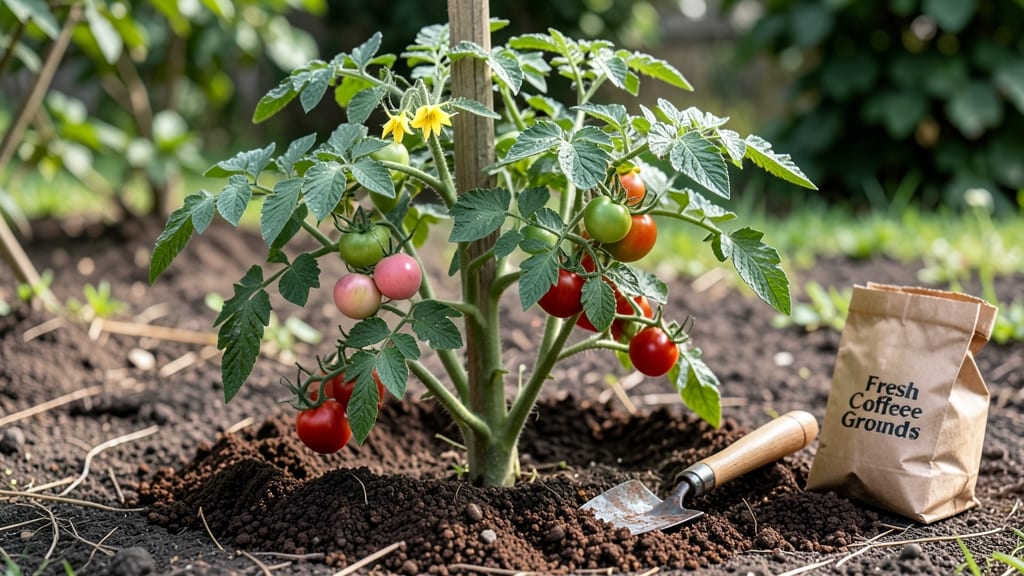
Using coffee grounds around tomato plants helps deter pests like slugs and ants while enriching soil with nitrogen, but overuse can acidify soil or attract mold. Apply sparingly as a mulch or compost additive for best results.
Coffee grounds work as a natural pest repellent because the caffeine in them acts as a deterrent to slugs and ants, two common tomato plant pests. 🔥 The nitrogen content also boosts soil fertility, promoting healthier plant growth.
However, it's crucial to use them in moderation—too much can lower soil pH and create a damp environment that encourages mold growth. I recommend mixing used grounds with other compost materials or applying them as a thin layer around the base of plants to balance benefits and risks.
For best results, sprinkle a 1-2 cup layer of dry coffee grounds around each tomato plant every few weeks during the growing season. This approach maintains the benefits without overwhelming the soil. Always pair this with proper watering practices to prevent clumping and ensure even distribution.
💡 In This Article
- How Coffee Grounds Benefit Tomato Plant Growth
- Proper Application Methods for Coffee Grounds in Tomato Gardens
How coffee grounds benefit tomato plant growth
Coffee grounds work wonders for tomato plants primarily because they're a nitrogen-rich organic amendment. When brewed coffee cools and dries, it retains about 2% nitrogen by weight—an essential nutrient for leafy growth and fruiting.
This nitrogen becomes available to plants as the grounds decompose, feeding beneficial soil microbes that break them down into plant-accessible forms. The process mimics natural composting, where microorganisms convert organic matter into humus that improves soil structure and fertility.
The caffeine in coffee grounds plays a dual role: it acts as a natural insect repellent while simultaneously stimulating microbial activity. Studies show that even small amounts of caffeine (0.1% concentration) disrupt the feeding patterns of slugs and ants, two notorious tomato plant pests.
The grounds' coarse texture also creates a physical barrier that deters crawling insects from reaching plant stems. Meanwhile, the organic matter improves soil moisture retention by 20-30% compared to bare soil, reducing watering needs while keeping roots consistently hydrated.
What makes coffee grounds particularly effective is their ability to balance soil pH when used judiciously. While fresh grounds can lower pH slightly (making soil more acidic), they also contain potassium and phosphorus that support overall plant health.
The key is using them in moderation—think of them as a slow-release fertilizer rather than a quick fix. For example, mixing 1 cup of dry grounds with 2 cups of finished compost creates a balanced amendment that won't overwhelm your tomato plants.
However, the benefits extend beyond just nutrition. The porous nature of coffee grounds creates tiny air pockets in the soil, improving aeration around roots. This is especially valuable for tomato plants, which develop extensive root systems that need both oxygen and water.
The grounds also attract earthworms, which further aerate the soil and create channels for water penetration. When applied as a mulch, they help regulate soil temperature by providing shade during hot days while retaining heat at night—a natural insulator that protects young tomato plants from temperature fluctuations.
One often-overlooked advantage is the coffee grounds' ability to suppress weeds. The dense layer blocks sunlight from reaching weed seeds in the soil, reducing competition for nutrients and water.
This effect is most noticeable when applied as a 1-inch thick mulch around tomato plants, creating a protective barrier that maintains moisture while smothering emerging weeds. The combination of nitrogen, pest deterrence, and weed suppression makes coffee grounds one of the most versatile organic amendments for tomato gardens.
For gardeners concerned about soil acidity, it's worth noting that coffee grounds' pH-lowering effects are temporary when used in small quantities. The nitrogen content actually helps buffer soil pH over time by promoting microbial activity that consumes organic acids.
This creates a self-regulating system where the benefits of nitrogen enrichment outweigh the minor pH adjustments—provided you don't overapply. The sweet spot is typically 1-2 cups per plant per season, spread thinly and worked into the top 2-3 inches of soil.