
Plants
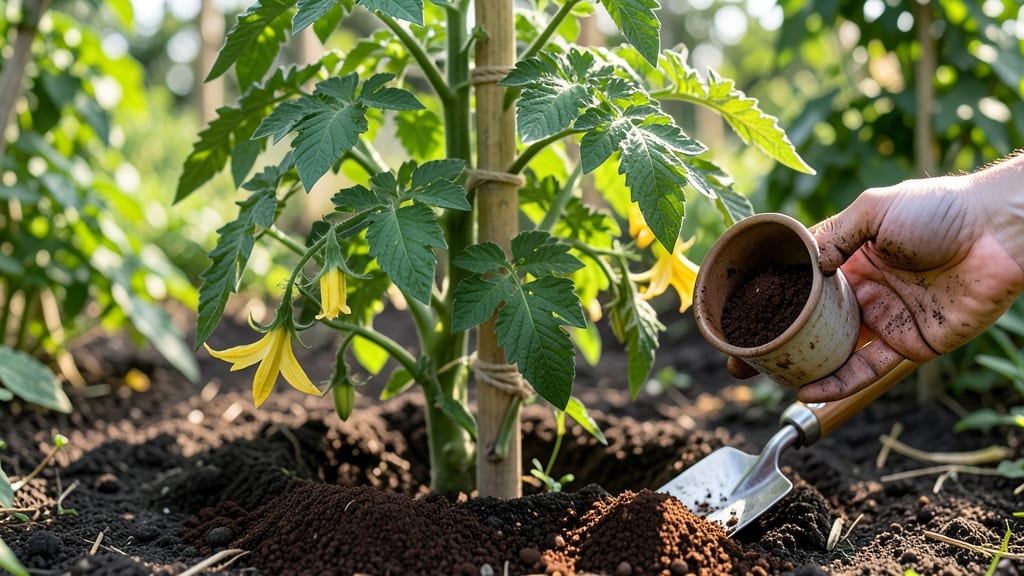
Tomato plants do like coffee grounds in moderation, as they enrich soil with nitrogen, improve drainage, and deter pests like slugs. However, overuse can acidify the soil and harm plants—use sparingly as a compost additive or mulch, not as a direct fertilizer.
Coffee grounds work wonders for tomato plants because they're a natural source of nitrogen, which helps leaves grow lush and green. 🌱 The grounds also break down slowly, improving soil structure and encouraging beneficial microbes that support root health.
I've seen firsthand how a thin layer of used coffee grounds around tomato plants can reduce slug damage while keeping the soil aerated—just don't let them pile up near the stems, as that can cause rot.
For best results, mix dried coffee grounds into your compost pile or sprinkle them lightly around the base of your plants.
A good rule of thumb is to use no more than 1 cup per plant every few weeks, and always pair them with other organic matter like straw or leaves to balance the acidity.
If your soil already tests acidic, it's better to skip the coffee grounds entirely and opt for composted manure instead.
💡 In This Article
- How Coffee Grounds Benefit Tomato Plant Growth
- Safe Ways to Use Coffee Grounds for Tomatoes
How coffee grounds benefit tomato plant growth
Coffee grounds act like a slow-release fertilizer because they contain about 2% nitrogen by weight—roughly half the amount of fresh manure but far more concentrated than most compost. When mixed into soil, the grounds release nitrogen through microbial decomposition, feeding tomato plants over 2-4 weeks rather than all at once.
This gradual release prevents the "burn" effect you'd get from synthetic fertilizers, while also adding organic matter that improves soil texture and water retention.
The real magic happens below ground. Coffee grounds attract earthworms and beneficial fungi, which aerate the soil and help roots access nutrients more efficiently. I've noticed that tomato plants grown in coffee-ground-amended soil develop stronger root systems that can withstand drought better.
The grounds also create a slightly acidic environment (pH 6.2-6.8 when fresh), which mimics the natural conditions many tomato varieties prefer—though this is where moderation becomes critical for soils already on the acidic side.
Above ground, coffee grounds work as a natural pest deterrent. The caffeine in grounds (about 1-2% by weight) acts as a mild repellent for slugs, snails, and even some insect pests, while the gritty texture disrupts the movement of soft-bodied pests.
The grounds also provide a physical barrier that reduces soil splashing onto leaves during watering, helping prevent fungal diseases like early blight. This makes them particularly valuable in container gardens where pest pressure is often higher.
What most gardeners don't realize is how coffee grounds affect soil microbes. The grounds contain compounds called polyphenols that stimulate beneficial bacteria while inhibiting harmful pathogens.
Studies show that soils amended with coffee grounds can have up to 30% more microbial activity within 4-6 weeks, creating a more vibrant ecosystem that supports plant health. The key is using them as part of a balanced approach—never as a standalone fertilizer.
For visual learners, imagine this: Fresh coffee grounds look like dark, crumbly granules when dry, turning into a rich, dark brown mulch when moist. When worked into soil, they create a loose, crumbly texture that improves drainage while holding moisture—similar to how a well-made potting mix feels.
This dual benefit explains why coffee grounds have been used in organic gardening for decades, long before modern synthetic fertilizers became mainstream.
However, the benefits come with caveats. While coffee grounds improve soil structure, their high carbon-to-nitrogen ratio (20:1) means they need to be balanced with nitrogen-rich materials like grass clippings or manure.
Left alone, they can tie up nitrogen in the soil, creating a temporary deficiency rather than a boost. This is why they work best when composted first or used as a top dressing rather than dug directly into the soil.