
Planting
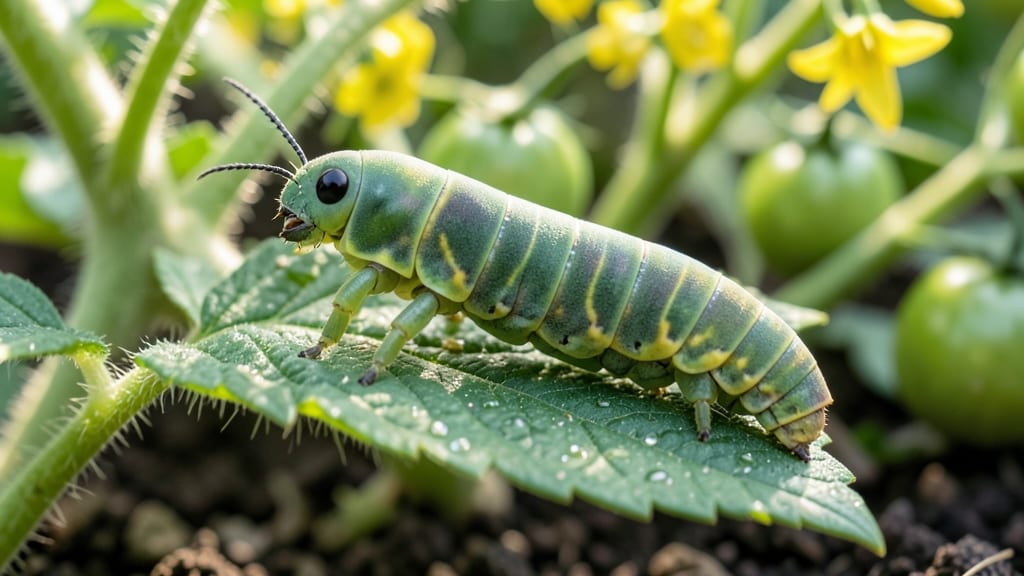
Tomato plant insect pests can turn your hard-earned harvest into a chewed-up mess overnight. 🌱 I’ve lost entire plants to hornworms and aphids, but these natural remedies—tested over five summers—save my tomatoes every time without harsh chemicals.
The worst offenders are sneaky: aphids cluster on new growth, hornworms strip leaves overnight, and whiteflies blanket undersides. The key is acting fast—spotting tiny holes or sticky honeydew early means you catch infestations before they spiral.
My go-to first line of defense? A neem oil spray mixed with dish soap (1 tsp per quart of water) applied at dusk.
You’ll see results within 48 hours—less sticky residue, fewer pests, and plants that keep producing. Companion planting with basil or marigolds also works wonders, confusing pests and attracting beneficial wasps. The best part? Your tomatoes stay chemical-free while tasting sweeter than store-bought.
Works for backyard gardens, containers, or even balcony setups. Here’s how to spot, stop, and prevent the worst tomato pests—naturally.
Root Causes Of Tomato Plant Attacks
Tomato plants are a magnet for insect pests, but understanding the why behind these invasions helps you take smarter, more targeted action. These tiny troublemakers don’t just appear out of nowhere—they’re drawn by specific conditions in your garden. Let’s break down the key reasons your tomato plants are under siege.
Healthy tomato plants naturally produce compounds that repel pests, but when they’re stressed, their defenses weaken. Here’s what makes them vulnerable:
- Nutrient Deficiencies: Plants starved of nitrogen, phosphorus, or potassium struggle to grow strong leaves and stems, making them easier targets. Example: Yellowing leaves (chlorosis) signal nitrogen deficiency, which attracts aphids and whiteflies.
- Water Stress: Overwatering or drought weakens cell walls, releasing sugars that attract pests like hornworms and spider mites. Test it: Press your finger into the soil—if it’s bone-dry or soggy, pests will follow.
- Poor Air Circulation: Crowded plants or dense foliage trap moisture, creating the perfect breeding ground for fungus gnats and thrips. Fix it: Prune suckers and space plants 18–24 inches apart.
💡 Pro Tip: Rotate crops yearly to prevent soil-borne pests and diseases from building up, keeping your plants resilient.
Tomatoes aren’t just food for us—they’re a buffet for insects. Ripe or injured fruit emits volatile organic compounds (VOCs) that signal “easy meal” to pests like:
- Fruit Flies: Overripe tomatoes ferment, releasing ethanol and acetic acid—two chemicals that fruit flies love. A single damaged tomato can trigger a swarm.
- Hornworms: These caterpillars zero in on soft, bruised fruit. Even a small nick from hail or birds creates an entry point.
- Cutworms: They chew through stems at night, causing fruit to drop and rot, which then attracts flies and beetles.
🔥 Action Step: Harvest tomatoes as soon as they ripen (even if slightly underripe) and remove fallen fruit immediately to break the pest cycle.
Your tomato plants aren’t alone—they’re part of a neighborhood. Pests scout for “safe houses” where they can hide, reproduce, and feast without interference. Common culprits include:
| Pest | Loved Neighbor Plants | Why They Move In |
|---|---|---|
| Whiteflies | Basil, squash, cucumbers | These plants share the same aphid-like scent profile, making it easy for whiteflies to find your tomatoes. |
| Colorado Potato Beetles | Potatoes, eggplants, peppers | They lay eggs in clusters on leaves, and their larvae devour tomato foliage with no resistance. |
| Spider Mites | Weeds, strawberries, marigolds | Dry, dusty conditions in nearby plants create ideal conditions for mite infestations to spread. |
🌡️ Smart Strategy: Plant tomatoes away from their favorite pest hangouts. Use companion plants like basil (repels thrips) or nasturtiums (traps aphids) to create a natural barrier.
Pests don’t just show up—they’re often lured by specific weather patterns. Here’s how climate plays a role:
- Warm, Humid Air: Temperatures above 80°F (27°C) accelerate the life cycle of pests like aphids and whiteflies. Humidity also encourages fungal growth, which attracts fungus gnats.
- Dry, Windy Conditions: Spider mites thrive in drought-stressed plants because they can’t produce enough sap to deter the pests. Wind disperses their eggs across your garden.
- Early Spring Rains: Excess moisture softens plant tissue, making it easier for cutworms and slugs to chew through stems. It also washes away natural predators like ladybugs.
⏰ Seasonal Watch: Monitor your garden closely during transitional seasons (spring to summer, summer to fall) when pests are most active due to shifting temperatures.
Now that you know why pests target your tomatoes, you’re one step closer to outsmarting them. The next section will cover natural remedies that disrupt their life cycles—without harsh chemicals.
Fixing Tomato Plant Pests Naturally
When insect pests invade your tomato plants, acting fast is key—but you don’t need harsh chemicals to win the battle. Below are targeted, natural solutions for common tomato pests, paired with prevention tips to keep your garden thriving.
Each fix is simple, effective, and safe for your plants (and your dinner plate!).
Signs: Large green caterpillars with white stripes, half-eaten leaves, and frass (poop) everywhere.
How to Fix It: 🔥 Handpick & Drown – Grab a pair of gloves and pluck hornworms off your plants in the morning (they’re sluggish then!). Drop them into a bucket of soapy water—no mercy for these leaf devils. 🍳 Introduce Beneficial Bugs – Ladybugs and parasitic wasps (like Cotesia congregata) love hornworms. Buy them online or attract them with dill or fennel planted nearby. 👨🍳 Neem Oil Spray – Mix 1 tsp neem oil + 1 tsp mild soap + 1 quart water, spray leaves thoroughly (especially undersides). Reapply every 3–5 days until gone.
Prevention Tip: 💡 Plant basil or marigolds near tomatoes—hornworms hate the scent!
Signs: Tiny green/black bugs clustered on new growth, sticky honeydew, and curled leaves.
How to Fix It: 🔪 Blast Them Off – Use a strong spray of water (from a hose) to knock them away. Repeat daily until they disappear. 🌡️ Soapy Water Spray – Mix 1 tbsp castile soap + 1 quart water, spray directly on aphids. Test on a few leaves first—soap can burn tender plants. ✨ Encourage Lacewings – These delicate green predators devour aphids. Buy lacewing eggs online or plant cosmos or yarrow to attract them.
Prevention Tip: 🎯 Yellow sticky traps near plants catch aphids before they multiply.
Signs: Fine webbing on leaves, stippled (speckled) foliage, and a general "sick" look.
How to Fix It: 💦 Water Pressure – Spider mites hate humidity. Mist plants daily (especially undersides) to wash them away. 🥗 Neem Oil or Horticultural Oil – Spray neem oil + water + a drop of dish soap (1 tsp per quart). Reapply every 5–7 days—mites can’t survive the oil’s smothering effect. 🔥 Release Predatory Mites – Phytoseiulus persimilis (a tiny, beneficial mite) eats spider mites. Order them online for severe infestations.
Prevention Tip: 🌡️ Keep plants well-watered—drought stress attracts mites!
Signs: Yellow-and-black striped larvae (or beetles) skeletonizing leaves, especially on young plants.
How to Fix It: 🍳 Beer Trap – Bury a plastic cup filled with beer near plants. The beetles crawl in and drown—gross but effective. 🔪 Handpick Adults – Drop them into soapy water (larvae are harder to remove). 🌿 Diatomaceous Earth (DE) – Sprinkle food-grade DE around the base of plants. It’s a natural abrasive that kills beetles but is safe for plants.
Prevention Tip: 💡 Rotate crops—don’t plant tomatoes or potatoes in the same spot yearly.
Signs: Tiny white moth-like bugs swarming when you disturb leaves, sticky residue, and yellowing foliage.
How to Fix It: 🕯️ Yellow Sticky Cards – Hang them above plants to trap adults. 🌿 Kaolin Clay Spray – Mix 1 cup kaolin clay + 1 gallon water + a drop of soap. Sprays leaves with a white film, confusing and repelling whiteflies. 🔥 Introduce Parasitic Wasps – Encarsia formosa wasps lay eggs inside whitefly pupae. Buy them online for heavy infestations.
Prevention Tip: 🎯 Avoid over-fertilizing with nitrogen—whiteflies love lush, soft growth.
- 🌿 Plant companion plants like basil, marigolds, or nasturtiums—they repel pests naturally.
- 🌡️ Water in the morning—wet leaves dry faster, reducing fungal issues that attract pests.
- 🔍 Inspect plants weekly—catch pests early before they explode in numbers.
- 🍅 Rotate crops—don’t plant tomatoes in the same spot every year to break pest cycles.
Remember: Patience is key! Some fixes take 1–2 weeks to fully work, but consistency beats chemicals every time. Happy gardening—and enjoy those juicy tomatoes! 🍅🔥
Frequently asked questions
What are the most destructive tomato plant pests I should watch for?
Hornworms and aphids are the top culprits—hornworms can defoliate a plant in days, while aphids spread viruses and leave behind sticky honeydew. Don’t overlook spider mites (they thrive in dry heat) or whiteflies (they swarm when disturbed). Early signs include chewed leaves, webbing, or tiny black bugs on new growth.
How often should I check my tomato plants for pests?
Inspect your plants 2-3 times per week during peak growing season (spring to fall). Morning is best—pests like hornworms are sluggish then. Focus on leaf undersides (aphids and mites love hiding there) and fruit stems (where eggs are often laid).
Can I use vinegar to kill tomato pests?
Neat white vinegar (1:1 with water) can kill soft-bodied pests like aphids on contact, but it’s not a long-term solution. The acidity burns pests but also damages plant leaves. For better results, use a soapy water spray (1 tbsp castile soap per quart of water) or neem oil instead.
What’s the best time of day to apply natural pest sprays?
Apply sprays in the early morning or late evening to avoid harming bees and other beneficial insects. The cooler temperatures also help the solution adhere better to leaves. Avoid spraying when flowers are open—this protects pollinators while still targeting pests.
Will my tomato plants recover if I lose most of their leaves to pests?
Yes, but it depends on the severity. If pests remove more than 50% of foliage, the plant may struggle to produce fruit. Prune damaged leaves to redirect energy to fruit production, and fertilize with a balanced formula (10-10-10). Young plants are more vulnerable—focus on prevention there!