
Watering
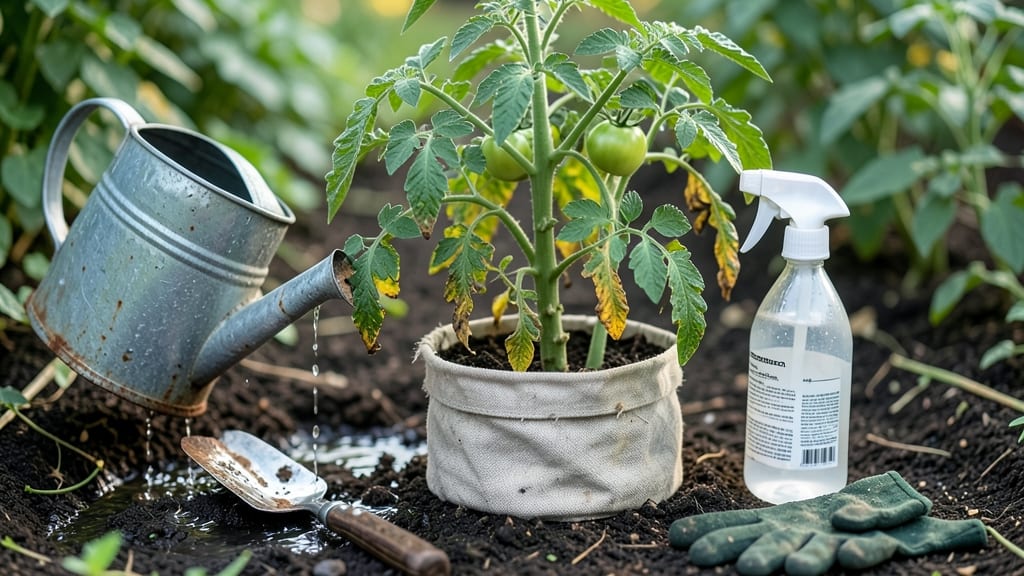
When your tomato leaves show too much water, you're dealing with overwatering—and it's fixable. 🌱 The first step is stopping the watering immediately, but that's just the beginning. Yellowing leaves, mushy stems, and that dreaded fungal smell mean your plants need a reset, not more water.
The real problem isn't just too much water—it's poor drainage and soggy roots. I've saved plants from this exact situation by adjusting watering schedules, improving soil aeration, and adding organic matter to help roots breathe. Within a week, you'll see new, healthy growth pushing through.
What you'll end up with is a tomato plant that's stable, disease-free, and ready to produce fruit. The leaves will regain their deep green color, stems will firm up, and you'll avoid the heartbreak of blight or rot. This works for both container tomatoes and in-ground plants alike.
Long-term, focus on watering deeply but less often—about 1-1.5 inches per week—and always check soil moisture before watering. Mulch helps too, keeping roots cool and moisture even. Here's how to turn things around!
Root Causes Of Waterlogged Tomatoes
When your tomato plants start looking sad—wilting, yellowing, or dropping leaves—it’s often a sign they’re drowning in their own soil. But why does too much water cause such chaos? Let’s dig into the science behind the soggy soil struggle.
Tomatoes need air as much as water. When soil stays constantly wet, it displaces oxygen in the root zone, suffocating your plants. Roots rely on oxygen to:
- Breathe: Oxygen triggers cellular respiration, helping roots convert nutrients into energy.
- Grow: Without oxygen, roots can’t expand or absorb water efficiently.
- Fight disease: Waterlogged conditions create the perfect breeding ground for root rot (caused by fungi like Phytophthora), which clogs root cells and cuts off nutrient flow.
Think of it like drowning—your roots can’t survive without air!
Not all soil is created equal. Heavy clay or compacted soil acts like a water trap, preventing excess moisture from draining away. Even well-draining soil can become waterlogged if:
- You’re watering too frequently (e.g., daily in hot climates).
- Your containers lack drainage holes (yes, even "self-watering" pots can fail).
- Rainfall or irrigation oversaturates the soil before it can dry.
Pro Tip: Test your soil’s drainage by filling a container, watering it, and timing how long it takes to drain. If it’s still soggy after 24 hours, you’ve got a drainage issue. 💡
Tomatoes have a built-in system to tell them when to drink—but too much water jams the signals. Here’s how:
| Normal Signal | Overwatered Chaos |
|---|---|
| Roots absorb water when soil dries slightly (triggering thirst). | Constant moisture means roots never "feel" thirsty, so they stop growing downward. |
| Leaves signal stress via wilting (a cry for help!). | Overwatered leaves turn yellow (chlorosis) or brown (necrosis) because roots can’t supply nutrients. |
| Healthy roots excrete enzymes to break down nutrients. | Waterlogged roots can’t function, leading to nutrient starvation (even if fertilizer is present!). |
Result? Your tomato plant thinks it’s getting enough water—but it’s actually starving.
Hot, humid weather turns overwatering into a double whammy. Why?
- Slow evaporation: High humidity means soil stays wet longer, delaying drying.
- Fungal frenzy: Warmth + moisture = perfect conditions for early blight or powdery mildew, which attack stressed leaves.
- Root burn: In extreme cases, overwatering in heat can cook roots (yes, really—too much water raises soil temp!).
🌡️ Watch for: Drooping leaves in the morning (not evening) or a musty smell from the soil—both red flags.
Fix Overwatered Tomato Plants Fast
If your tomato plants are drowning in water, don’t panic—there’s hope! The key is acting quickly to drain excess moisture, adjust care routines, and prevent future mishaps.
Below, we’ve mapped out practical fixes based on the root cause of your soggy leaves, plus prevention tips to keep your plants thriving. Let’s turn this around!
Cause: Roots suffocating from waterlogged soil, leading to oxygen deprivation. Fix:- 🔥 Step 1: Stop Watering Immediately
Cut off all water until the soil dries out. Overwatering creates a cycle of stress—let the roots breathe!
- 👨🍳 Step 2: Improve Drainage
Dig a shallow trench around the base of the plant to redirect excess water. Add a 1-inch layer of perlite or coarse sand to the topsoil to aerate it. For container tomatoes, ensure pots have drainage holes and elevate them on saucers.
- 🥘 Step 3: Trim Damaged Foliage
Snip off yellow or mushy leaves with clean pruners. This redirects energy to healthy growth and prevents disease.
- ⏰ Step 4: Wait & Monitor
Resume watering only when the top 2 inches of soil feel dry. Stick your finger in—if it’s damp, wait another day.
💡 Pro Tip: If your plant is in a heavy clay soil, mix in compost or coconut coir to lighten the texture and improve drainage long-term.
Cause: Fungal diseases (like Phytophthora) thrive in soggy conditions. Fix:- 🔪 Step 1: Remove Infected Areas
Prune away black, mushy leaves or stems below the rot. Sterilize your pruners with rubbing alcohol to avoid spreading spores.
- 🌡️ Step 2: Boost Airflow
Space plants 18–24 inches apart to improve circulation. If growing in containers, avoid overcrowding.
- ✨ Step 3: Fungal Treatment
Spray leaves with a baking soda solution (1 tsp baking soda + 1 quart water + a few drops of dish soap) or use a copper fungicide for severe cases. Reapply every 7–10 days.
- 🎯 Step 4: Adjust Watering
Water early in the day so foliage dries quickly. Use a soaker hose or drip irrigation to keep water at the roots, not the leaves.
💡 Pro Tip: Mulch with straw or wood chips (not plastic) to retain moisture without smothering the plant. Keep mulch 2–3 inches away from the stem to prevent rot.
Now that your plant is on the mend, lock in these habits to avoid future water woes:- 📊 Check Soil Moisture
Use a moisture meter or the "finger test" (insert your index finger 2 inches deep—if dry, water; if damp, wait).
- 💪 Upgrade Your Soil
Tomatoes love well-draining, slightly acidic soil (pH 6.0–6.8). Amend garden beds with compost or peat moss for better structure.
- 🥗 Choose the Right Containers
For potted tomatoes, opt for fabric grow bags or large containers (at least 5 gallons) with drainage holes. Avoid glazed pots that trap moisture.
- 🍎 Water Smart
Deep water 1–2 times per week (more in extreme heat) rather than daily shallow doses. Aim for 1–1.5 inches of water per week, including rainfall.
💡 Pro Tip: If you’re unsure about your watering habits, try the "weight test": Lift your pot—if it feels light, it’s time to water. If it’s heavy, hold off!
With these fixes, your tomato plants should bounce back in 1–2 weeks. Stay consistent with care, and you’ll be harvesting juicy tomatoes in no time! 🍅
Frequently asked questions
How do I know if my tomato plant has too much water?
Look for yellowing leaves (especially lower ones), mushy stems, or a musty smell from the soil. Leaves may also appear wilted in the morning but not recover by evening. Check soil moisture—if it stays damp 2+ inches deep after watering, you're overdoing it.
Can overwatered tomato plants recover?
Yes! With immediate action, most plants bounce back within 1-2 weeks. Stop watering, improve drainage, and trim damaged foliage. Avoid fertilizing until new growth appears—roots need time to recover. Severe cases may need repotting in fresh, well-draining soil.
What's the best way to fix waterlogged soil for tomatoes?
Add organic matter like compost or coconut coir to improve aeration. For containers, ensure drainage holes exist and elevate pots. In garden beds, create shallow trenches to redirect excess water. Mulch with straw (keep 2-3 inches from stems) to regulate moisture without smothering roots.
Why do my tomato leaves turn yellow when overwatered?
Yellow leaves (chlorosis) occur when roots can't absorb nutrients due to lack of oxygen. Water displaces air in soil, suffocating roots. The plant prioritizes survival over fruit production, shedding leaves to conserve energy. Yellowing often starts at the lower leaves and progresses upward.
How often should I water tomatoes to prevent overwatering?
Aim for 1-1.5 inches of water per week (including rain), delivered deeply 1-2 times per week. Use the "finger test"—if the top 2 inches of soil feel dry, it's time to water. Early morning watering prevents fungal growth, and soaker hoses deliver moisture directly to roots.