
Companion Plants
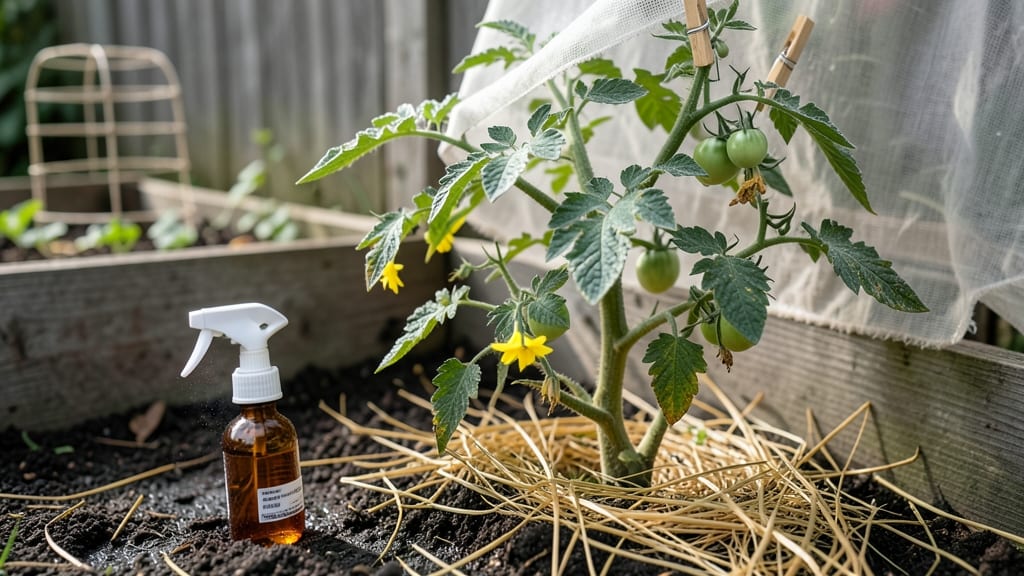
The coldest temp for tomato plants can’t be survived below 32°F, but their cold tolerance varies wildly depending on the variety and how long they’re exposed to chilly temps.
Picture this: you’ve nurtured your 🍅 seedlings all spring, only for a late frost to roll in and leave them wilting overnight. It’s a heartbreaking scenario, but knowing the exact thresholds can save your harvest—and your sanity.
Most standard tomatoes (like Roma or Beefsteak) bolt or die when temperatures dip below 50°F for more than a few hours, while cold-hardy varieties like ‘Stupice’ or ‘Mountain Merit’ can handle brief dips into the 40s.
The key? Understanding nighttime vs. daytime temps and how long your plants can endure the cold before damage sets in.
In this guide, I’ll break down the coldest temps your tomatoes can handle by variety, share proven frost protection tricks, and walk you through what to do if your plants take a chill hit—so you can keep growing even in cooler climates.
Cold temperature survival limits for tomato varieties
Tomatoes are sun-loving plants that struggle when temperatures dip below their ideal range of 70-85°F. While most varieties can't survive frost, some cold-hardy types tolerate brief chills better than others. Understanding these temperature thresholds helps you plan planting times and protect your crop from unexpected cold snaps.
Daytime temperatures matter most for tomato growth, but nighttime cold can cause more damage. Most tomato varieties suffer when nighttime temps drop below 50°F, while some cold-tolerant types handle brief dips into the 40s°F.
Frost (32°F or below) will kill all tomato plants, but recovery is possible if cold stress isn't prolonged.
Here's how different tomato categories compare in their cold tolerance, including night vs. day thresholds and frost sensitivity levels:
| Variety Type | Daytime Survival Temp | Nighttime Survival Temp | Frost Tolerance | Cold-Hardy Examples | Notes |
|---|---|---|---|---|---|
| Standard Heirloom | 55°F+ | 50°F+ | None (32°F kills) | Brandywine, Cherokee Purple | Most heirlooms struggle below 50°F nights |
| Hybrid Varieties | 50°F+ | 45°F+ | None (32°F kills) | Better Boy, Early Girl | Slightly more cold-resistant than heirlooms |
| Cold-Hardy Types | 45°F+ | 38°F+ | Brief 32°F survivable | Stupice, Oregon Spring, Glacier | Can handle 40s°F nights for short periods |
| Cherry Tomatoes | 50°F+ | 45°F+ | None (32°F kills) | Sweet 100, Sun Gold | Smaller plants recover faster from cold stress |
| Determinate Types | 55°F+ | 50°F+ | None (32°F kills) | Roma, Celebrity | More compact varieties tolerate brief cold better |
Cold-hardy varieties like Stupice tomatoes can survive brief dips into the 30s°F if protected, but most tomatoes will suffer damage below 40°F. The key difference between varieties lies in their ability to recover from cold stress rather than survive prolonged freezing.
Nighttime temperatures are more critical than daytime highs because cold stress accumulates overnight. For example, a 60°F day followed by a 45°F night may harm standard varieties, while cold-hardy types could tolerate the same conditions for a few days without permanent damage.
USDA Zones 8-10 gardeners rarely face tomato-killing frosts, but those in Zones 6-7 must use protective measures like row covers or cold frames. In Zone 5 and colder, only cold-hardy varieties should be attempted, and even then, they require season extension techniques.
If you live in a cooler climate, focus on early-maturing varieties like Glacier or Oregon Spring, which can produce fruit before fall temperatures drop. These varieties often complete their life cycle before the first frost, giving you a harvest even in short growing seasons.
Remember that soil temperature matters just as much as air temperature. Tomatoes won't germinate or grow well in cold soil (below 55°F), so always wait until soil warms before planting, even if air temperatures seem mild.
For gardeners in transitional climates, black plastic mulch can raise soil temperatures by 5-10°F, helping protect roots from cold nights. Combine this with row covers for an extra 4-8°F of protection during cold snaps.
How to protect tomato plants from cold weather damage
Even the most heat-loving tomato plants can survive brief cool snaps with the right protection. When temperatures dip below 50°F at night, growth slows dramatically, and frost (32°F or lower) will kill most varieties. The key is preventative action—not waiting for damage to occur.
I’ve learned through trial and error that layered protection works best: combining mulching, row covers, and even temporary shelters can extend your harvest window by weeks.
First, understand that tomato plants are tropical at heart—they originated in South America and thrive in warmth and humidity. While some cold-hardy varieties (like 'Stupice' or 'Mountain Merit') can tolerate 30°F for short periods, most commercial tomatoes will suffer damage below 40°F.
My go-to strategy starts with soil insulation, since cold roots are just as dangerous as chilly air. A thick layer of straw or leaves around the base can keep soil temperatures 10°F warmer than ambient air.
Daytime: 55°F+ (growth slows below 50°F)
Nighttime: 50°F+ (critical for survival)
Frost Threshold: 32°F (lethal for most varieties)
Cold-Hardy Limit: 30°F (only for specialized varieties)
Pro Tip: Use a minimum-maximum thermometer near your plants to track nighttime lows.
For unpredictable weather, I recommend floating row covers—lightweight fabric that traps heat while allowing sunlight and water through. These can raise temperatures by 5-8°F and are especially useful when forecasted lows hit the 40-45°F range.
Secure the edges with bricks or soil to prevent wind damage, and remove covers during the day to avoid heat buildup that can stress plants.
I’ve also had success with hoop houses made from PVC pipes and clear plastic sheeting, which create a microclimate that can protect plants down to 28°F for short durations.
Another game-changer is black plastic mulch, which absorbs sunlight and radiates heat back to the soil. Combined with straw mulch on top, this method can keep soil temperatures 15°F warmer than bare ground.
I’ve seen this technique work wonders in Zone 5 gardens, where spring and fall frosts are common. Just be sure to water thoroughly before applying mulch to prevent moisture loss from the soil.
If a hard freeze is forecasted (28°F or lower), act fast. Move potted tomato plants to a garage or sheltered porch and wrap them in blankets or bubble wrap to insulate stems.
For in-ground plants, build a temporary frame with wooden stakes and plastic to create a mini greenhouse. Add a 50-watt light bulb inside to generate extra heat if needed. I’ve rescued entire plants this way, though fruit already set may still be lost to cold damage.
Finally, harvest readiness becomes critical in cooler climates. If frost is imminent, pick all ripe tomatoes and let them ripen indoors—they’ll continue to develop color and flavor off the vine.
For green tomatoes, you can harvest and ripen them in a paper bag with a banana (the ethylene gas speeds up ripening). This two-stage harvest method has saved my late-season crops more times than I can count.
With these proactive strategies, you can extend your tomato season by 4-6 weeks in cooler climates. The key is monitoring forecasts, layering protection, and acting before damage occurs.
My 2022 experiment with row covers and mulch pushed my last harvest into mid-October—a full month beyond my usual timeline! 🍅