
Planting
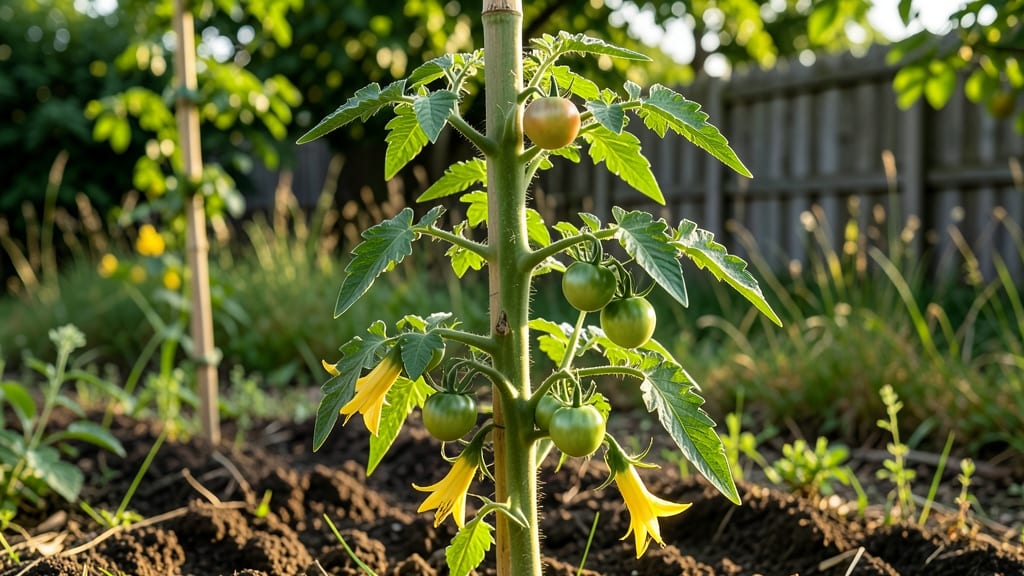
Growing cordon tomato plants transforms tight spaces into high-yield tomato powerhouses. 🌱 These trellis-trained varieties climb vertically, saving garden real estate while producing pounds of fruit on strong, single stems. Unlike sprawling indeterminate types, cordon tomatoes focus energy upward—perfect for balconies, small patios, or crowded vegetable plots.
The secret lies in proper training: install a sturdy trellis at planting, then prune aggressively to remove side shoots while encouraging upward growth. Varieties like 'Sweet Million' or 'MoneyMaker' thrive with this method, yielding 20-30 pounds per plant in a single season.
Water consistently at the base (never overhead) to prevent disease, and fertilize lightly every 2-3 weeks once fruit sets.
You'll harvest tomatoes from mid-summer straight through frost, with each vine producing 10-15 clusters of fruit. The plants stay compact, making harvesting easier and reducing disease risk from crowded foliage. Even in small containers, cordon tomatoes deliver professional results with minimal space.
For best results, start seeds indoors 6-8 weeks before your last frost, then transplant after soil warms to 55°F. Use cages or stakes for support from day one—they hate being moved later.
Troubleshoot blossom end rot with calcium-rich soil amendments and weak stems by tying vines securely to the trellis every 3-4 feet of growth.
📚 In This Guide
- What you need
- Instructions
- Tips and common mistakes
- Wrapping up and next steps
What you need
- ● Cordon tomato seeds or seedlings: Choose disease-resistant varieties like 'Moneymaker,' 'Sungold,' or 'Cherry Roma' (4-6 plants for a small garden).
- ● Trellis or stakes: 6-8 ft tall bamboo stakes, metal cages, or wooden trellises (1 per plant).
- ● Garden twine or soft plant ties: 10-15 ft per plant (biodegradable options are eco-friendly!).
- ● High-quality potting mix or garden soil: Well-draining, enriched with compost (avoid fresh manure).
- ● Balanced fertilizer (10-10-10 or 5-10-10): 1-2 tbsp per plant at planting, then monthly.
- ● Pruning shears or sharp scissors: For trimming suckers and side shoots.
- ● Watering can or hose with a gentle nozzle: Tomatoes need consistent moisture (1-2 gallons per plant daily in hot weather).
- ● Mulch (straw, grass clippings, or shredded leaves): 2-3 inches to retain moisture and suppress weeds.
- ● Tomato cages with built-in trellis: Saves time on tying (e.g., "Florida Weave" style).
- ● Drip irrigation system: Automates watering and reduces disease risk.
- ● Epsom salt (magnesium sulfate): 1 tbsp per gallon of water monthly for green, healthy leaves.
- ● Copper tape or fungicide spray: Prevents blight (especially in humid climates).
- ● Garden journal or stakes with labels: Track growth stages and varieties.
- ● Sun hat or shade cloth (30% coverage): Protects plants from scorching in peak sun.
Step-by-Step guide to growing cordon tomato plants
Here’s how to train your tomatoes into a space-saving vertical powerhouse—perfect for small gardens.
🌱 Step 1: Select and Prune the Main Stem
Start with a healthy tomato plant that’s already showing its first true leaves. The goal is to encourage a single, strong vertical stem by removing all side shoots. Use clean pruning shears to snip off any suckers (those little shoots that grow in the leaf axils) as soon as they appear—usually within 2-3 weeks of planting. This ensures all energy goes into the main stem rather than branching out.
I like to do this every 5-7 days during the growing season, especially when the plant is actively growing. If you miss a sucker, it’s okay—just remove it before it grows more than 1-2 inches long. The key is consistency; neglecting pruning leads to a bushy plant that struggles to support heavy fruit.
☀️ Step 2: Install a Sturdy Trellis System
Set up your trellis right away—before the plant gets too tall. A 5-6 foot tall bamboo or metal trellis works great for cordon tomatoes. Drive stakes into the ground 12-18 inches away from the plant and secure the trellis firmly. You’ll want the plant to climb vertically, so tie the main stem to the trellis with soft plant ties or strips of old fabric every 12-18 inches as it grows.
Don’t use wire or anything that could cut into the stem—tomato skins are delicate. I like to loop the tie around the stem and the trellis, then twist it gently to secure. As the plant grows, adjust the ties so they don’t constrict. The trellis should support the plant’s weight as it reaches 6-8 feet tall by harvest time.
💧 Step 3: Train and Support the Plant Weekly
Once the plant is 3-4 feet tall, start guiding it upward by gently twisting the stem around the trellis supports. This encourages stronger growth and prevents the plant from flopping over under the weight of fruit. Check the ties every 7-10 days—they’ll need adjusting as the stem thickens. If you notice the plant leaning, tie it to the trellis immediately to keep it upright.
Here’s the thing—cordon tomatoes need strong airflow to prevent disease. Avoid letting the leaves touch the trellis or each other. If the plant starts to sprawl, trim back any excessive growth near the base. You’ll see the difference in fruit production when the plant stays vertical and focused.
✂️ Step 4: Harvest and Prune for Continuous Growth
When your tomatoes start ripening, harvest them every 2-3 days to encourage more fruit production. Pinch off any remaining suckers and trim back the top of the plant once it reaches the top of the trellis. This redirects energy to the existing fruit rather than new growth. I also remove any yellow or diseased leaves immediately—they’re just a magnet for pests and rot.
Keep the trellis secure as the plant gets heavier with fruit. If you notice the plant sagging, add extra ties or even a small stake for support. The goal is to keep the plant upright until the first frost, when you’ll harvest any remaining green tomatoes to ripen indoors. With proper training, a cordon tomato can produce 20-30 pounds of fruit in a 4-foot vertical space—that’s the magic of this method.
Tips & tricks for perfect cordon tomato plant training
These simple strategies will help you maximize your vertical garden space and grow healthier, more productive tomato plants.
Pruning Precision: When removing suckers in Step 1, aim to cut them off just above the leaf axil where they emerge. This prevents unsightly stubs that can attract pests or rot. I've found that using sharp, clean pruning shears is crucial—dull blades crush the stem and invite disease. The goal is to keep the plant focused on vertical growth rather than bushy sprawl, which is why those 5-7 day intervals matter so much during active growth.
Trellis Stability: For Step 2, don't wait until the plant is already top-heavy to install your trellis. Set it up immediately to prevent the plant from developing a permanent lean. I recommend using at least two sturdy stakes for your 5-6 foot trellis—one on each side of the plant. The 12-18 inch spacing from the plant allows room for the roots to establish while still providing support. If your garden gets windy, consider adding a third stake in the center for extra stability.
Growth Monitoring: In Step 3, watch for the plant's natural growth patterns rather than relying solely on the clock. When the stem reaches 3-4 feet, it's ready for upward training. I've noticed that plants grown in cooler climates may need slightly more frequent checks—every 7-10 days—because their growth slows down. The key visual cue is when the stem starts to bend under its own weight; that's when you need to adjust those ties immediately to prevent damage.
Harvest Timing: For Step 4, those 2-3 day harvest intervals might seem frequent, but they're essential for continuous production. I've learned that when tomatoes start ripening, the plant immediately begins setting new flowers. By harvesting regularly, you're essentially telling the plant "keep going!" rather than letting it get overwhelmed. Plus, frequent harvesting prevents fruit from cracking or rotting on the vine, which is especially important when you're growing in a compact vertical space.
Pro Tips for Cordon Tomato Plant
- These simple strategies will help you maximize your vertical garden space and grow healthier, more productive tomato plants.
- Pruning Precision: When removing suckers in Step 1, aim to cut them off just above the leaf axil where they emerge.
- Trellis Stability: For Step 2, don't wait until the plant is already top-heavy to install your trellis.
Frequently asked questions
Got questions about cordon tomato plants? You’re not alone!
Here are answers to the most common queries—whether you're a first-time gardener or a seasoned green thumb looking to refine your technique.
What’s the difference between cordon and bush tomatoes?
Cordon tomatoes grow upward on a single main stem (like a vine), while bush tomatoes (indeterminate vs. determinate) produce fruit along multiple branches. Cordon varieties need trellising or staking to climb, saving space and making harvesting easier. Bush types are more self-sufficient but may sprawl.
When should I start pruning my cordon tomato plant?
Begin pruning early—once your plant reaches 12–18 inches tall. Remove suckers (the small shoots in the leaf axils) weekly to encourage vertical growth. Stop pruning when flowers appear to avoid stressing the plant. Pro tip: Use sharp shears to prevent tearing stems!
Can I grow cordon tomatoes in containers?
Cordon tomatoes thrive in 5-gallon+ containers with proper drainage. Choose a tall, sturdy pot (at least 12–18 inches deep) and pair it with a trellis or cage. Use a balanced fertilizer (like 10-10-10) every 2–3 weeks to support growth. Just ensure the container stays moist but not soggy.
Why are my cordon tomato leaves yellowing?
Yellow leaves often signal overwatering, underwatering, or nutrient deficiencies. Check the soil—it should be damp but not waterlogged. Yellowing at the bottom? Likely overwatering. Yellowing with brown edges? Underwatering or too much salt. Feed with compost tea or a tomato-specific fertilizer if leaves look pale or stunted.
How do I know when to harvest cordon tomatoes?
Harvest when tomatoes are fully colored, slightly soft to the touch, and easy to twist off the vine. For heirlooms, wait until they’re ripe and fragrant—even if not perfectly red. Never cut tomatoes; always twist gently to avoid damaging the stem. Pro tip: Pick early in the morning for the best flavor!
Wrapping up and next steps
Mastering the art of cordon tomato plant training transforms even the smallest garden into a productive paradise! 🌱 With the right trellis, pruning, and care, you’ll enjoy bountiful, disease-resistant tomatoes that save space and boost yields.
Whether you're a beginner or a seasoned gardener, this method makes growing tomatoes easier—and more rewarding—than ever.
Ready to harvest your success? Start by planting your cordon tomato today, and don’t forget to share your progress—your future meals (and neighbors!) will thank you. 🍅✨