
Pruning
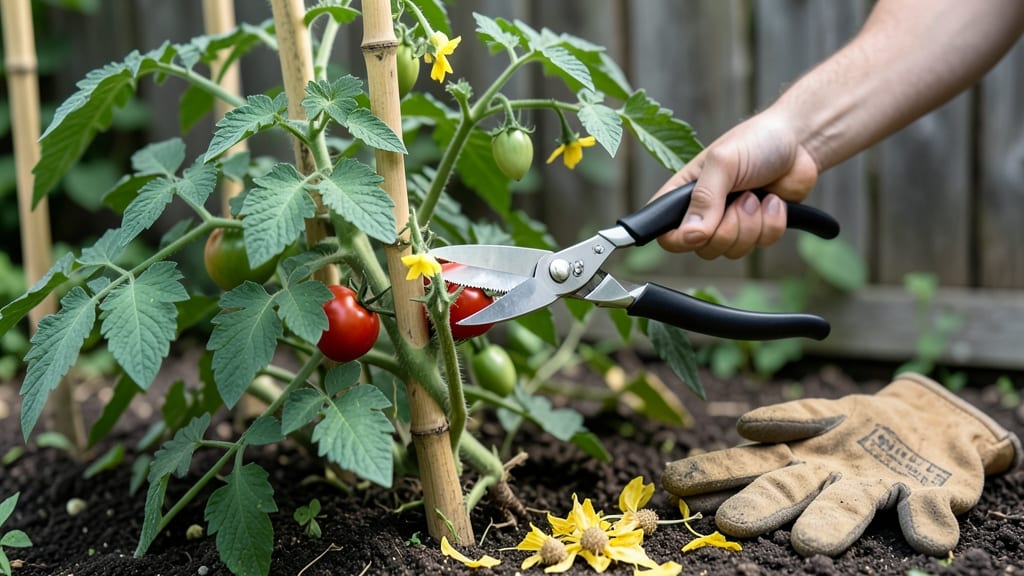
How to trim back tomato plants isn’t just about cutting—it’s about unlocking bigger fruit and healthier vines. ✂️ I spent years over-pruning or ignoring my plants until I discovered the simple rules that transformed my harvest. The key? Removing the right growth at the right time without sacrificing too much foliage.
You'll need just a few tools: sharp pruning shears, gloves, and a sunny day when temperatures are above 60°F. Focus on removing suckers—those little shoots between the stem and branches—and any yellow or diseased leaves. This improves air circulation and directs energy to fruit production, not leaf growth.
By midseason, your plants will reward you with thicker stems, more flowers, and fruit that's sweeter and heavier. The pruned plants stay upright, resist disease better, and produce for weeks longer than unpruned ones. It's the difference between a handful of tomatoes and a basketful.
Indeterminate varieties need regular trimming all season, while determinate types (bush tomatoes) rarely need pruning. Start with just a few cuts and watch how your plants respond—you'll quickly learn their unique needs. Let's get those shears ready!
📚 In This Guide
- What you need
- Instructions
- Tips and common mistakes
- Wrapping up and next steps
What you need
- ● Pruning shears or sharp bypass pruners – Choose a pair with sterilized blades (7–10 inches long) to avoid disease transmission. Example: Felco F-2 or Gonicc T-1000.
- ● Gloves – Wear gardening gloves (nitrile or leather) to protect against thorns and dirt.
- ● Disinfectant solution – Mix 1 part bleach to 9 parts water (or use rubbing alcohol) to sterilize tools between cuts.
- ○ Garden twine or soft plant ties – Optional but helpful: 3–5 feet of twine for staking indeterminate varieties.
- ● Sturdy stakes or cages – For indeterminate tomatoes: 5–6 ft tall metal or wooden stakes (or 3–4 ft cages) to support vines.
- ● Sharp pencil or marker – To label pruned sections (e.g., "Remove suckers below first flower cluster").
- ● Handheld magnifying glass – Helps spot tiny suckers or pests in dense foliage.
- ○ Plant growth regulator (optional) – Example: Seaweed extract spray to reduce stress post-pruning.
- ● Compost bin or mulch – Collect pruned suckers to compost (avoid diseased plants!).
- ● Pruning saw (for thick stems) – Only needed if dealing with overgrown heirloom varieties with woody stems.
Step-by-Step guide to pruning tomato plants for maximum yield
Here's how to transform leggy, weak vines into sturdy, fruit-loaded powerhouses—using only your hands and a sharp pair of shears.
✂️ Step 1: Identify and Remove Suckers Early
The first pruning happens when your tomato plant reaches about 12-18 inches tall. Look for the small shoots growing in the "V" between the main stem and a branch—these are suckers. They siphon energy from your fruit, so pinching them off early directs growth to the main plant.
Use your thumb and forefinger to gently snap suckers cleanly at the base. Avoid tearing the stem—this creates wounds that invite disease. For stubborn suckers, use clean pruning shears to cut just above the leaf node. I prune suckers weekly during the growing season; consistency prevents overgrowth and keeps the plant manageable.
🌿 Step 2: Prune Lower Leaves for Airflow and Sunlight
Once the plant reaches 3-4 feet tall, remove the bottom 6-12 inches of leaves to improve airflow and sunlight penetration. Start with the oldest leaves closest to the ground—these yellow first and contribute little to fruit production. Use your fingers to twist leaves off gently or snip with shears at the stem junction.
This step is critical for preventing soil-borne diseases like early blight. I always prune on a dry morning when the plant is turgid (full of water). Avoid pruning when leaves are wet—this increases the risk of fungal infections spreading through fresh cuts.
☀️ Step 3: Train the Main Stem and Balance Growth
For indeterminate varieties, allow only 1-2 main stems to grow vertically. Remove competing stems by cutting at the base with clean shears. For determinate (bush) tomatoes, minimal pruning is needed—focus on removing only the lowest leaves and any diseased foliage.
Watch for the plant's natural growth pattern. If it leans toward the light, gently tie it to a sturdy stake or cage. I use soft plant ties to avoid damaging the stem. Prune after heavy rains to reduce humidity around the plant—this prevents blossom-end rot and keeps fruit firm.
⏰ Step 4: Prune for Fruit Production in Late Season
When the plant reaches 5-6 feet tall or shows signs of slowing growth, focus on removing leaves that shade the fruit clusters. Trim leaves above the top fruit set to redirect energy to ripening. For indeterminate varieties, I stop pruning suckers entirely after mid-summer to encourage flowering and fruiting.
Look for clusters with 3-5 flowers—these will produce the largest tomatoes. Remove any leaves directly above these clusters to improve air circulation. This late-season pruning is what transforms a plant full of foliage into a fruit machine.
✂️ Step 5: Post-Harvest Cleanup and Disease Prevention
After your final harvest, prune the entire plant down to 6 inches above the soil line. This removes hiding spots for pests and reduces overwintering diseases. Burn or compost all pruned material—never leave it on the ground where it can reinfect next year's plants.
I always sterilize my pruning shears with rubbing alcohol between cuts to prevent cross-contamination. For organic growers, a 10-minute soak in a 1:9 hydrogen peroxide solution works just as well. This final step ensures your garden stays healthy for next season's tomatoes.
Tips & tricks for perfect tomato plant pruning
These pruning secrets will help you avoid common mistakes and transform your tomato plants into fruit-producing powerhouses.
Sucker Removal Timing: I learned this the hard way—don't wait until suckers are large and woody. Those tiny shoots in the "V" between stems and branches? Remove them when they're no bigger than your pinky nail. Waiting even a week means you're fighting for energy that could be going to your tomatoes. Think of it like weeding: the smaller the job, the easier it is.
Leaf Pruning Strategy: When removing those bottom 6-12 inches of leaves in Step 2, focus on the oldest, yellowing leaves first. These leaves aren't contributing much to photosynthesis anymore—they're just taking up energy. I prune in stages: first the bottom leaves when the plant hits 3-4 feet, then work my way up as the plant grows. This gradual approach prevents shocking the plant all at once.
Disease Prevention: The 10-minute hydrogen peroxide soak for organic growers is a game-changer. I keep a small spray bottle of diluted hydrogen peroxide (1:9 ratio) handy for quick sterilization between cuts. For conventional growers, rubbing alcohol works just as well. Remember, every cut is an open door for pathogens—sterilizing tools is as important as the pruning itself.
Late-Season Focus: In Step 4, when your plant reaches 5-6 feet, I shift my focus entirely to the fruit clusters. Look for those perfect clusters with 3-5 flowers—they'll give you the largest tomatoes. Remove any leaves shading these clusters, but leave the leaves below them. This creates a "sun tunnel" that directs light and warmth right to where it matters most.
Pro Tips for Trim Back Tomato Plants
- These pruning secrets will help you avoid common mistakes and transform your tomato plants into fruit-producing powerhouses.
- Sucker Removal Timing: I learned this the hard way—don't wait until suckers are large and woody.
- Leaf Pruning Strategy: When removing those bottom 6-12 inches of leaves in Step 2, focus on the oldest, yellowing leaves first.
Frequently asked questions
Got questions about trimming tomato plants? You’re not alone! Here are some of the most common concerns—and their straightforward answers—to help you prune like a pro.
When is the best time to start pruning tomato plants?
Begin pruning once your plants are 6–12 inches tall and have a few sets of true leaves. For indeterminate varieties (like Roma or Cherry), trim throughout the growing season to encourage bushiness. For determinate types (like Bush Early Girl), minimal pruning is needed—just remove suckers and damaged leaves.
Should I prune all the leaves off my tomato plant?
No! Leave the lower leaves (up to 12 inches from the ground) to protect the plant and encourage root growth. Focus on removing yellow, diseased, or overcrowded leaves—especially those touching the soil—to prevent pests and disease. Aim to keep the plant well-ventilated while maintaining its energy.
What if I accidentally cut into the main stem?
Don’t panic! If you nick the main stem (or "leader"), it’ll likely heal. Just avoid cutting deep—stick to pruning suckers and leaves. For severe damage, trim just above a leaf node (where leaves grow) to encourage new growth. Over-pruning the main stem can stress the plant, so be gentle!
Can I prune tomato plants in hot or humid weather?
Pruning in extreme heat (above 90°F) or high humidity can stress plants and invite disease. Wait for mild, dry mornings or late afternoons. If you must prune in humidity, sterilize your tools with rubbing alcohol and avoid working when leaves are wet to prevent fungal issues like blight.
What should I do with the pruned leaves and suckers?
Remove pruned material immediately from the garden to prevent pests or diseases from spreading. Toss them in the trash (not compost) if they’re diseased. For healthy clippings, you can chop and drop them near the base—they’ll decompose and return nutrients to the soil!
| Quick Tip | Why It Matters |
|---|---|
| Prune early in the morning when plants are turgid (firm). | Reduces stress and helps wounds heal faster. |
| Use sharp, clean pruners or scissors. | Prevents tearing and minimizes disease risk. |
Wrapping up and next steps
Trimming your tomato plants isn’t just about keeping them tidy—it’s your secret weapon for bigger, healthier harvests. 🌱 By mastering the art of pruning, you’ll encourage stronger vines, better airflow, and those juicy, sun-ripened tomatoes you’ve been dreaming of.
Now that you’re armed with the how-to, grab those shears and get pruning!
Ready for even more gardening wins? Next, explore how to support your vines with stakes or cages—or dive into organic pest control tips to keep your plants thriving all season long.