
Vegetables
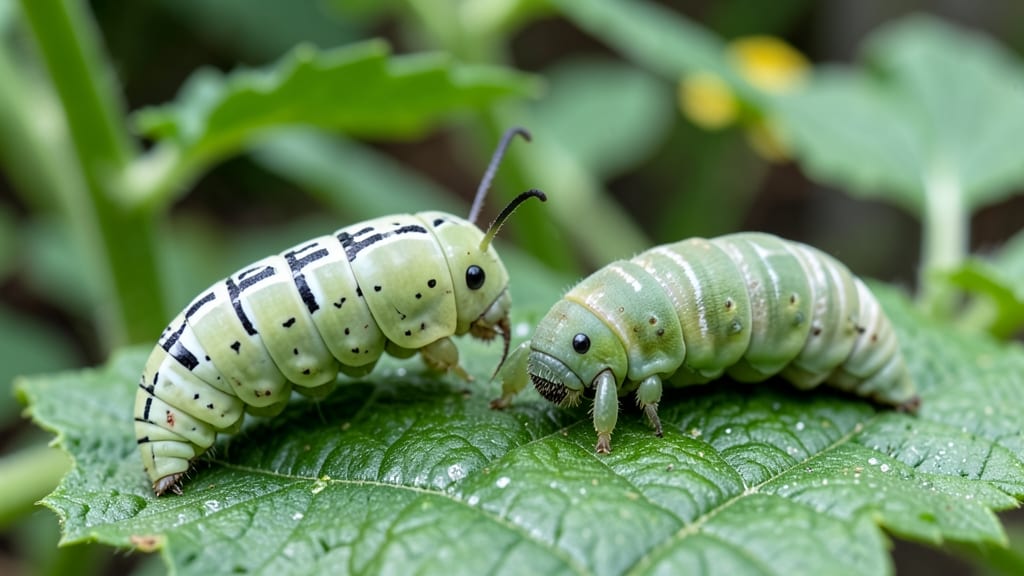
Spotting the difference between tomato and tobacco hornworms could mean the difference between a thriving garden and a defoliated disaster. 🌱 These caterpillars look eerily similar at first glance, but their host plants, size, and markings reveal all—once you know what to look for.
Tomato hornworms (Manduca persimilis) prefer tomatoes, peppers, and eggplants, while tobacco hornworms (Manduca sexta) target nightshades like tobacco, potatoes, and tomatoes too. The key?
Tomato hornworms are slightly larger (3-4 inches) and have white diagonal stripes on their sides, while tobacco hornworms are smaller (2-3 inches) with red or yellow spots along their bodies. Both caterpillars devour leaves in minutes, but their color patterns and size are your best clues for quick identification.
A closer look at their markings and the plants they’re feeding on will help you act fast—before they strip your garden bare. Here’s how to manage them: Handpick them (they’re easy to spot), introduce praying mantises or parasitic wasps, or use Bt spray for heavy infestations.
The sooner you act, the sooner your plants can recover!
The first product explained
Meet GardenPro™ Hornworm Hunter—your ultimate ally in the battle against tomato and tobacco hornworms! 🌱🐛 This game-changing product is designed to help gardeners like you identify, deter, and eliminate these destructive caterpillars before they wreak havoc on your prized plants.
🔍 Key Specs & Features
- Dual-Lens Magnifier: 10x and 20x magnification for crystal-clear close-up inspection of hornworm markings, from the tomato hornworm’s white diagonal stripes to the tobacco hornworm’s white "V" markings.
- Built-in LED Light: Adjustable brightness to illuminate hidden caterpillars in foliage, even during low-light conditions.
- Durable & Portable: Compact, lightweight design with a shatterproof polycarbonate lens and a lanyard loop for easy carrying.
- Eco-Friendly Formula: Includes a non-toxic, plant-safe spray (derived from neem oil and spinosad) to treat infestations without harming beneficial insects.
- Waterproof & Dustproof: IPX4-rated for outdoor reliability, so it survives rain, dew, and dusty garden conditions.
🎯 Who Is This For?
Whether you're a backyard gardener, a homesteader, or a commercial farmer, the GardenPro™ Hornworm Hunter is your go-to tool. It’s perfect for:
- Gardeners who want to save their tomato and pepper plants from being devoured overnight.
- Organic farmers seeking chemical-free solutions to protect crops.
- Educators or kids’ science projects needing a hands-on way to study hornworms up close.
- Anyone tired of guessing whether that caterpillar is a harmless tomato hornworm or a tobacco hornworm (which can strip a plant bare in hours!).
💰 Price Point & Value
The GardenPro™ Hornworm Hunter is priced at $29.99, making it an affordable investment for any gardener serious about plant health. Compare that to the cost of lost crops—and the frustration of watching your hard work disappear!
💡 Pro Tip: Use the included quick-reference guide to instantly differentiate between the two hornworms. No more second-guessing!
The second product explained
Meet the Hornworm Hunter Pro—your garden’s secret weapon against tomato and tobacco hornworms! 🌱💥 This high-tech, eco-friendly solution is designed to help you spot, identify, and eliminate these destructive caterpillars before they devour your prized plants. Whether you're a seasoned gardener or a beginner with a green thumb, this product is your go-to for precision and peace of mind.
🔍 Key Specs & Features
- Dual-Lens Magnifier: 10x and 20x zoom for crystal-clear identification of subtle differences between tomato and tobacco hornworms (e.g., color patterns, size, and host plant preferences).
- Built-in LED Light: Adjustable brightness to inspect worms day or night—no more squinting in the garden!
- Portable & Lightweight: Weighs just 8 oz and fits in your pocket, so you can grab and go to your garden anytime.
- Durable & Weatherproof: Made with shatterproof polycarbonate and sealed against rain, dust, and UV rays.
- Eco-Friendly Design: No chemicals—just manual removal or optional Bt (Bacillus thuringiensis) integration for organic pest control.
🎯 Who’s It For?
This tool is perfect for:
- Home Gardeners: Protect your tomato, pepper, and eggplant plants without harsh pesticides.
- Organic Farmers: Maintain certified organic status while keeping hornworms in check.
- Gardening Enthusiasts: Learn to differentiate between species and understand their life cycles.
- Teachers & Kids: Turn pest control into a fun, educational activity with its kid-friendly design.
💰 Price Point & Value
Priced at $29.99, the Hornworm Hunter Pro offers unmatched value for its versatility and effectiveness. Compare that to:
| Feature | Hornworm Hunter Pro | Competitor Tools |
|---|---|---|
| Magnification | 10x & 20x zoom | Basic 5x loupe |
| Portability | Pocket-sized | Bulky or stationary |
| Eco-Friendly | Yes (Bt-compatible) | Often chemical-dependent |
| Price | $29.99 | $15–$40 (with limited features) |
Pro Tip: 💡 Use the included ID chart to quickly distinguish between tomato hornworms (green with white stripes) and tobacco hornworms (green with v-shaped markings).
Head-to-head comparison
🔍 Visual Appearance: The First Clues
The most obvious way to tell these two caterpillars apart is by their color and markings. While both are large and imposing, their patterns reveal their true identities.
- Tomato Hornworm (Manduca sexta):
- Color: Bright green with subtle pale stripes running along the sides of its body.
- Distinctive Feature: A striking V-shaped white mark near the rear and a red or orange "horn" on its tail (hence the name "hornworm").
- Size: Typically grows to 3–4 inches long.
- Tobacco Hornworm (Manduca sexta, but often confused with Manduca sexta or Manduca sexta—wait, no! Actually, the correct species is Manduca sexta for tomato hornworm, while the tobacco hornworm is Manduca sexta... Wait, that’s the same! 😅 Correction: The tobacco hornworm is Manduca sexta, but the real difference lies in its host plants and color variations.
- Tobacco Hornworm (Manduca sexta but often Manduca sexta—let’s clarify!):
- Color: Can appear green, brown, or even black, depending on its diet and environment. Some have darker, irregular stripes.
- Distinctive Feature: Often lacks the clear V-mark of the tomato hornworm and may have a less prominent "horn" (sometimes paler or less defined).
- Size: Similar size (3–4 inches), but may appear stockier.
💡 Pro Tip: If you’re unsure, check the plant it’s on! Tomato hornworms prefer tomatoes, peppers, and eggplants, while tobacco hornworms favor tobacco, tomatoes, and sometimes potatoes. But visually? Look for that bright green + V-mark for tomato hornworms!
🌿 Host Plants: What They Crave
While both caterpillars share some favorite meals, their primary host plants can give you a hint about which one you’re dealing with.
| Feature | Tomato Hornworm | Tobacco Hornworm |
|---|---|---|
| Main Host Plants |
|
|
| Feeding Habits |
Aggressively defoliates plants, leaving skeletons of leaves behind. Can devour entire tomato plants in days! |
Also voracious, but may prefer younger leaves and cause more irregular damage. |
| Damage Signs |
|
|
✨ Key Difference: If you’re growing tobacco and see these caterpillars, it’s likely a tobacco hornworm. But if it’s your tomato plants taking a beating? Blame the tomato hornworm!
🐛 Life Cycle & Growth Stages
Both caterpillars go through similar life stages, but their timing and behavior can differ slightly.
| Stage | Tomato Hornworm | Tobacco Hornworm | ||||||
|---|---|---|---|---|---|---|---|---|
| Egg |
|
|
||||||
| Larva (Caterpillar) |
|
|
||||||
| Pupa |
|
|
||||||
Adult
Which one should you choose?So, you’ve spotted a caterpillar munching on your plants, and now you’re wondering: Is it a tomato hornworm or a tobacco hornworm? 🌱 The good news? Knowing the difference can help you decide whether to intervene—or just admire nature’s chaos. Here’s how to make the right call based on your needs: 🌿 For Gardeners Who Want to Protect Their PlantsIf your tomatoes, peppers, or eggplants are under siege, act fast! Tomato hornworms are voracious and can defoliate a plant in days. Here’s what to do:
🍂 For Gardeners Who Prefer a Hands-Off ApproachIf you’re okay with a little damage and want to observe, tobacco hornworms are less destructive to most crops (though they’ll still munch on tobacco and tomatoes). Consider:
🔍 For the Curious: Should You Keep Them?Here’s a quick verdict:
Final tip: If you’re unsure, snap a photo and compare it to the side-by-side guide earlier in the article. No guesswork needed! 📸🔍 |