
Vegetables
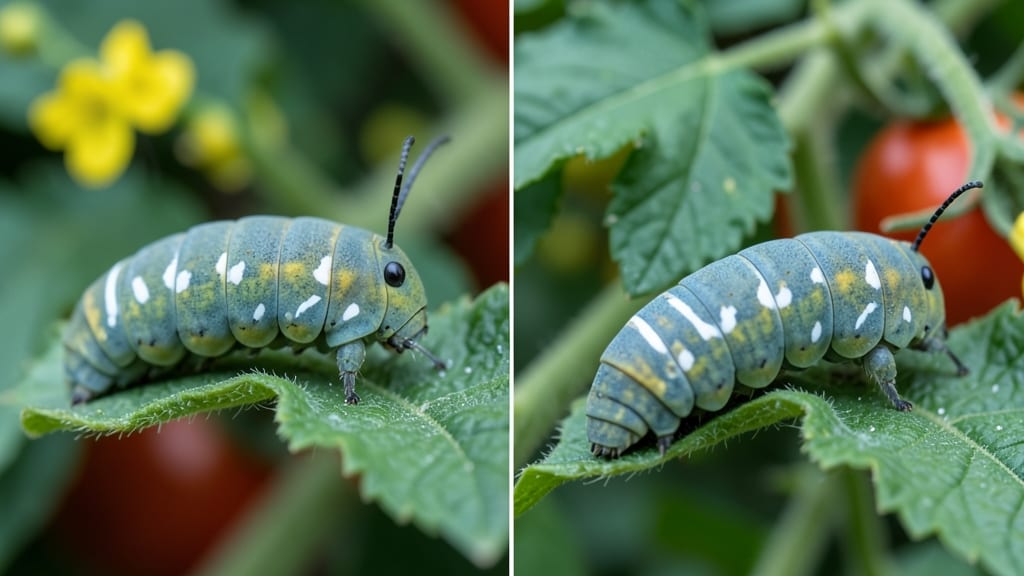
Those two green caterpillars look identical until you see what they're eating. 🌱 The tobacco hornworm and tomato hornworm are nearly identical in appearance, but knowing which one is devouring your plants makes all the difference in control methods.
One prefers nightshades, while the other will happily munch on anything green—including your prized tomatoes and peppers.
The real giveaway is their host plants: tobacco hornworms target solanaceous plants like tobacco, eggplant, and potatoes, while tomato hornworms go straight for tomatoes, peppers, and sometimes even citrus. Damage patterns differ too—tomato hornworms leave skeletonized leaves, while tobacco hornworms often strip entire plants bare overnight.
Early detection means checking undersides of leaves daily during peak season (June-August in most zones).
Organic control starts with handpicking—drop them in soapy water—and introducing parasitic wasps like Cotesia congregata, which naturally target these caterpillars. For severe infestations, neem oil or Bacillus thuringiensis (Bt) sprays work without harming beneficial insects.
The key is acting fast before they reach the 3-inch mark, when they become nearly unstoppable.
Prevention is easier than cure: rotate crops annually, use row covers early in the season, and plant basil or marigolds nearby—their scents deter hornworms. With these strategies, you'll keep your garden thriving instead of turning it into a caterpillar buffet.
Let's break down the differences so you can protect your plants effectively.
The first product explained
Meet your new garden ally: BioShield Hornworm Defense™! 🚀🌱 If you're battling the relentless munch of tobacco hornworms or tomato hornworms, this organic, eco-friendly solution is designed to give you the upper hand without harsh chemicals. Let’s break down why this product is a must-have for every gardener’s toolkit.
📏 Specs & Features
BioShield Hornworm Defense™ is a ready-to-use, botanical spray formulated with a blend of neem oil, spinosad, and garlic extract—all derived from natural sources. Here’s what sets it apart:
- Organic & OMRI Listed: Safe for use in organic gardening and won’t harm beneficial insects like bees or ladybugs.
- Dual-Action Formula: Disrupts hornworm feeding while repelling future infestations.
- Fast-Acting: Starts working within 24 hours of application.
- Long-Lasting: Provides up to 14 days of protection per treatment.
- Easy Application: Comes with a precision nozzle for targeted spraying.
🎯 Who Is This For?
This product is perfect for:
- 🌿 Home gardeners with tomato, pepper, or tobacco plants.
- 🏡 Urban farmers using containers or small plots.
- 🌍 Eco-conscious gardeners avoiding synthetic pesticides.
- 👨🌾 Beginner gardeners looking for a user-friendly, effective solution.
💰 Price Point & Value
BioShield Hornworm Defense™ offers exceptional value at just $19.99 for a 16 oz. spray bottle—enough to treat up to 500 sq. ft. of garden space. That’s roughly 50% cheaper than comparable chemical-based alternatives, with the added bonus of being safer for your plants and the planet.
💡 Pro Tip: Buy the 3-pack bundle (sold separately) for $49.99 and save 15%—ideal for larger gardens or seasonal use!
The second product explained
🌱 Ready to take the fight to those pesky tomato hornworms? Meet BioNeem—your organic, eco-friendly ally in the battle against garden pests! This powerful, ready-to-use solution is designed to tackle Manduca sexta (tomato hornworms) while keeping your garden—and your family—safe from harsh chemicals.
📏 Specs & Features
BioNeem is a 100% organic concentrate made from neem oil, a natural insecticide and repellent with a long history in sustainable gardening. Here’s what makes it stand out:
- Active Ingredient: Cold-pressed neem oil (0.3% azadirachtin)
- Coverage: Covers up to 2,500 sq. ft. per gallon when mixed with water
- Application: Ready-to-use spray (dilute 1:20 with water for best results)
- Scent: Mild, earthy neem aroma (no harsh fumes!)
- Shelf Life: 12 months when stored in a cool, dry place
- Certifications: OMRI-listed for organic gardening
🎯 Who’s It For?
BioNeem is perfect for:
- 🌿 Home gardeners who want to protect tomatoes, peppers, eggplants, and other nightshades from hornworms
- 🌍 Eco-conscious gardeners avoiding synthetic pesticides
- 👨🌾 Small-scale farmers looking for a cost-effective, organic solution
- 🐝 Pollinator-friendly users (safe for bees when used as directed)
💰 Price Point
BioNeem is a budget-friendly powerhouse, typically priced between $15–$25 per quart, depending on where you shop. With its high coverage rate, a single quart can treat multiple garden beds, making it a cost-effective choice for seasonal use. Plus, its long shelf life means you can stock up without worry!
Pro Tip: 💡 For extra effectiveness, spray BioNeem in the early morning or late evening to avoid harming beneficial insects like ladybugs and lacewings. Reapply every 7–10 days or after heavy rain for continuous protection!
Head-to-head comparison
When it comes to identifying and tackling garden pests, the tobacco hornworm and tomato hornworm might look eerily similar at first glance—but their impacts and behaviors can differ in surprising ways.
To help you make an informed decision on how to handle these critters, let’s break down a side-by-side comparison across key dimensions. Whether you’re a seasoned gardener or just starting out, this breakdown will give you the clarity you need to protect your plants! 🌱🔍
📏 Physical Appearance: The First Clues
The most obvious way to tell these two apart is by their coloration and markings. Here’s how they stack up:
| Feature | Tobacco Hornworm | Tomato Hornworm |
|---|---|---|
| Body Color | Green with white diagonal stripes and v-shaped markings along the sides. | Green with white diagonal stripes but often more pronounced and jagged. |
| Horn | Small, black or brown horn on the rear end. | Larger, black or dark brown horn, sometimes with a reddish base. |
| Size | Grows up to 3-4 inches long. | Slightly larger, up to 4-5 inches long. |
| Eyes | Small, black eyes with no distinct markings. | Often has white or light-colored spots near the eyes. |
Pro Tip: 💡 Hold a magnifying glass to your plants—sometimes the subtle differences in markings can be the key to accurate identification!
🌿 Host Plants: Where They Thrive
While both hornworms are notorious plant munchers, their preferred hosts can give you a hint about which one is invading your garden:
- Tobacco Hornworm:
- Loves tobacco plants, tomatoes, peppers, eggplants, and potatoes.
- Also targets tomatillos, petunias, and tomato relatives.
- Fun Fact: 🌱 They’re often found on tobacco leaves, which is how they got their name!
- Tomato Hornworm:
- Primarily tomatoes, peppers, eggplants, and potatoes.
- Less likely to attack tobacco unless no other options are available.
- Fun Fact: 🍅 They’re the superstars of tomato destruction—a single caterpillar can devour a whole plant in days!
Pro Tip: 🎯 If your tomato plants are being ravaged but your tobacco is untouched, you’re probably dealing with a tomato hornworm!
🐛 Life Cycle and Speed of Damage
Both hornworms are fast growers, but their life cycles and destructive speed can vary:
| Factor | Tobacco Hornworm | Tomato Hornworm |
|---|---|---|
| Egg Stage | Lays small, yellow eggs on undersides of leaves; hatches in 3-6 days. | Lays greenish eggs; hatches in 4-7 days. |
| Larval Stage | 5 instars (growth stages); full size in 4-6 weeks. | 6 instars; full size in 5-7 weeks. |
| Feeding Speed | Moderate; can skeletonize leaves but may not kill a plant as quickly. | Rapid! Can consume entire leaves overnight and defoliate a tomato plant in a few days. |
| Pupation | Forms a brown cocoon in soil or leaf litter. | Forms a sturdy, brown cocoon underground. |
Pro Tip: ⏰ Early detection is key—check your plants weekly during growing season to catch these pests before they become a full-blown crisis!
🛡️ Control Methods: What Works Best?
Both hornworms can be managed, but the effectiveness of control methods may vary:
| Method | Tobacco Hornworm | Tomato Hornworm |
|---|---|---|
| Handpicking | Highly effective; drop into soapy water. | Also effective, but may require more frequent checks due to rapid growth. |
| Beneficial Insects (e.g., parasitic wasps) | Wasps like Cotesia congregata attack both, but tobacco hornworms may be slightly less resistant. | Tomato hornworms are highly susceptible to wasp parasitism—look for white cocoons on their backs! |
| Bacillus thuringiensis (Bt) | Works well; spray on leaves. | Also effective, but may need reapplication due to their fast eating habits. |
| Neem Oil | Can deter eggs and young larvae. | Less effective on mature larvae; better for prevention. |
| Row Covers | Excellent for prevention during egg-laying season. | Critical for tomato-heavy gardens—keeps moths from laying eggs in the first place! |
Pro Tip: 🌡️ Timing matters—
Which one should you choose?
So, you’ve weighed the facts—both the tobacco hornworm and tomato hornworm are hungry, destructive pests, but which one is more likely to raid your garden? The answer depends on your setup, goals, and patience level. Here’s how to decide:
🌱 For the Casual Gardener (Low-Tech Solutions)
If you’re growing a mix of plants or prefer hands-off methods, focus on tomato hornworms.
They’re easier to spot (thanks to their bright green bodies and white stripes) and less aggressive toward non-host plants. Pro tip: 💡 Hang parasitic wasps (like Cotesia congregata)—they’re nature’s pest control and won’t harm your tomatoes!
🚨 For the Serious Gardener (High-Stakes Crops)
If your garden is a tomato or pepper paradise, both hornworms are threats—but the tobacco hornworm is the sneakier villain.
It’s faster, hungrier, and more likely to devour entire plants overnight. Recommendation: Combine manual removal (drop them in soapy water) with Bt spray (a bacterial pesticide safe for humans). Pro tip: 🔥 Check leaves daily at dawn—that’s when they’re most active!
🌿 For the Eco-Conscious Gardener (Chemical-Free)
Neither hornworm is a fan of companion planting. Interplant basil, marigolds, or dill to repel them naturally. For tomato hornworms, handpicking (even if tedious) is your best bet.
For tobacco hornworms, neem oil or kaolin clay can disrupt their feeding. Pro tip: ✨ Release beneficial nematodes in the soil—they’ll target hornworm larvae before they hatch!
📊 Quick Decision Guide
| Scenario | Biggest Threat | Best Action |
|---|---|---|
| Mostly tomatoes/peppers | Tobacco hornworm 🚨 | Daily scouting + Bt spray |
| Mixed garden (flowers + veggies) | Tomato hornworm | Parasitic wasps + handpicking |
| No pesticides allowed | Both (but tobacco is sneakier) | Neem oil + companion plants |
Remember: Prevention is key! Healthy plants with strong stems and good airflow are less appealing to hornworms. And if all else fails? Enjoy the hunt—it’s part of the gardening adventure! 🕵️♂️