
Pests
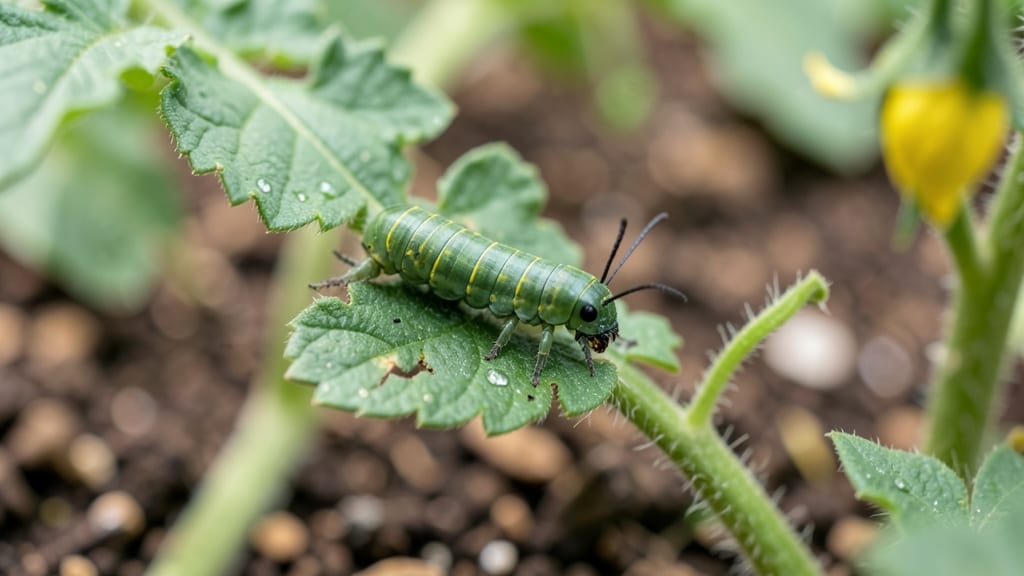
Deer eat tomato leaves voraciously, often targeting young plants and new growth, which can stunt or kill tomato vines if left unprotected. Their preference stems from the plant’s tender foliage and high water content, making it an easy meal for browsing wildlife.
Tomato plants are a deer's dream snack because their soft, water-rich leaves offer easy nutrition without much chewing effort. 🌱 Young tomato plants are especially vulnerable, as their delicate stems and leaves provide minimal resistance.
Deer typically browse at dawn and dusk, so you'll often notice fresh damage during these times. The problem worsens in late summer when other food sources become scarce, forcing deer to seek out garden plants for sustenance.
What makes this particularly frustrating for gardeners is how quickly deer can devastate a tomato patch. A single deer can consume an entire young plant in under an hour, leaving you with no harvest. 🌿 The good news?
There are proven strategies—like using commercial repellents with strong scents or planting deer-resistant companions—to protect your crop while keeping your garden thriving.
💡 In This Article
- Why Deer Target Tomato Plants in Gardens
- Effective Deer-Resistant Tomato Planting Strategies
Why deer target tomato plants in gardens
Deer have an innate preference for tomato plants because they're packed with high moisture content—up to 95% water in young leaves—which requires minimal energy to digest. 🌿 The tender, broad leaves also provide easy access to nutrients like nitrogen and potassium, which deer need for their diet.
Unlike woody plants or mature vegetables, tomato foliage offers a soft, palatable meal that's easy to strip from stems with a single bite. This makes them a prime target, especially for deer that rely on browsing during dawn and dusk when other food sources are less abundant.
The vulnerability of tomato plants lies in their growth patterns. Young seedlings have delicate stems that can snap under a deer's weight, while new growth remains unprotected by tougher foliage. Studies show deer can detect volatile organic compounds (VOCs) emitted by stressed plants, which tomato leaves release when damaged.
This chemical signal attracts more deer to the area, creating a feedback loop of destruction. 🔥 In late summer, when natural forage like clover and grasses dry up, deer become even more reliant on garden crops, including tomatoes, which can lead to complete defoliation within days.
Deer also distinguish between plant types using their keen sense of smell and vision. Tomato plants' glossy, dark green leaves stand out against drier garden vegetation, making them visually appealing targets. The plant's height—typically 4-6 feet—places foliage at an accessible level for deer to browse without standing upright.
Unlike low-growing herbs or shrubs, tomatoes offer a "grazing buffet" that deer can efficiently harvest. This combination of accessibility, nutrition, and visibility explains why tomato plants face such relentless pressure from deer populations.
Seasonal factors further influence deer behavior. During spring and early summer, when new tomato growth is most tender, deer focus on stripping leaves rather than eating fruit.
The plant's high water content makes it an ideal choice for maintaining hydration, especially in dry conditions. 💫 What's surprising is that deer often ignore mature tomato plants with tougher leaves, focusing instead on young transplants or newly emerged foliage.
This selective browsing strategy means gardeners must protect vulnerable stages of growth to ensure any harvest survives.
Understanding deer digestion also explains their preference. Tomato leaves contain 1-2% protein by weight, which is easily digestible compared to fibrous plants. Deer can process this quickly, allowing them to move efficiently through gardens. The lack of defensive compounds like alkaloids (found in many wild plants) makes tomatoes particularly appealing.
This biological advantage means that without intervention, deer will consistently target tomato plants until alternative food sources become available.
One often-overlooked factor is deer population density. In areas with 10-20 deer per square mile, garden damage becomes severe as competition for food increases. 🌱 Urban and suburban sprawl has actually worsened this issue by reducing natural habitats, forcing deer into residential areas where gardens provide easy meals.
The result is a perfect storm for tomato growers: nutritious plants, vulnerable growth stages, and increasing deer populations that see gardens as free all-you-can-eat buffets.