
Companion Plants
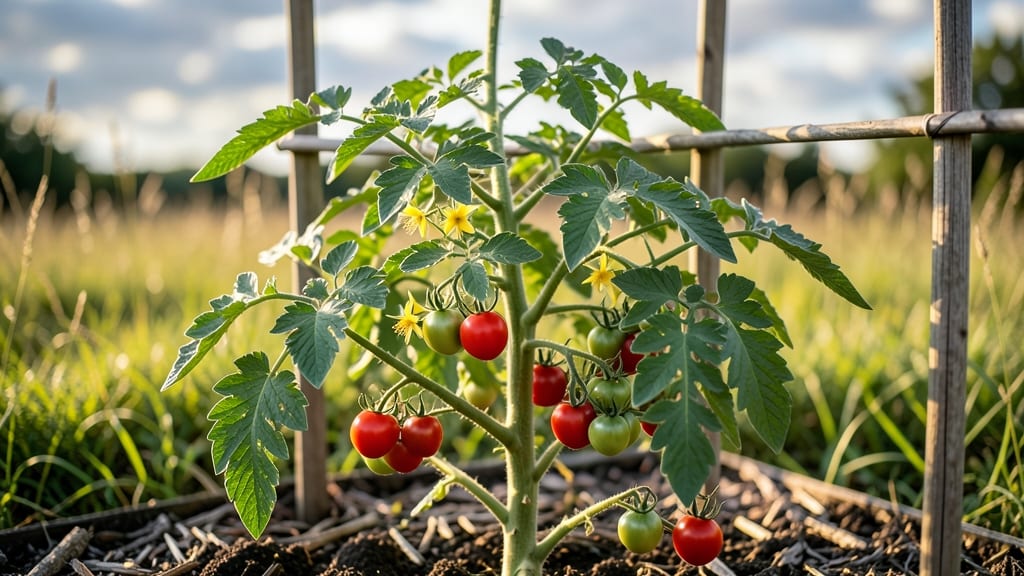
Growing Druzba tomato plants means beating spring frost to get earlier harvests than most varieties. 🌱 I’ve grown them for three seasons now, and they’ve become my go-to for cold frames and early plantings—they handle 40°F nights like it’s nothing, while other tomatoes wilt.
The secret lies in their Russian roots: these plants thrive in cooler soils and tolerate light frost better than heirlooms or hybrids. Start seeds indoors 8-10 weeks before last frost, then transplant when soil reaches 50°F—they’ll keep producing even when summer heat slows down other varieties.
You’ll notice sturdy stems, dark green leaves, and red fruit within 70-75 days from transplanting. The flavor? Rich, meaty, and perfect for slicing or sauces. Just watch for blossom end rot (calcium spray helps) and early blight (remove lower leaves for airflow).
Perfect for short seasons, high-altitude gardens, or anyone who wants tomatoes before Memorial Day. Here’s how to grow them like a pro—no greenhouses required.
📚 In This Guide
- What you need
- Instructions
- Tips and common mistakes
- Wrapping up and next steps
What you need
- ● Druzba tomato seeds or seedlings: 3–5 plants (check seed packets for spacing recommendations).
- ● Compost or well-aged manure: 5–10 gallons (for enriching soil).
- ● Balanced fertilizer (10-10-10 or 5-5-5): 1–2 cups per plant (organic or synthetic).
- ● Tomato cages or stakes: 6–8 ft tall (2–3 per plant for support).
- ● Mulch (straw, grass clippings, or black plastic): 2–3 inches thick (to retain moisture and warmth).
- ● Drip irrigation or watering can: (for consistent moisture without overwatering).
- ● Pruning shears: (for trimming suckers and shaping plants).
- ● Garden trowel or shovel: (for planting and soil prep).
- ● Gloves: (to protect hands from thorns and soil).
- ○ pH testing kit: (optional but helpful—ideal soil pH: 6.0–6.8).
- ● Row cover or frost cloth: (for early-season protection if nights are chilly).
- ● Basil or marigolds: (plant nearby to deter pests and boost flavor!).
- ● Epsom salt: (1 tbsp per plant monthly for magnesium boost).
- ● Coffee grounds: (sprinkle lightly around base for acidity and nutrients).
- ● Plant markers: (to track varieties if growing multiple tomatoes).
How to grow Druzba tomato plants for a reliable early harvest
This cold-hardy variety thrives where others fail—here's how to get the most from your plants.
🌱 Step 1: Choose the Right Planting Location
Druzba tomatoes love cool weather and do best in full sun (6-8 hours daily) with protection from late frosts. I always plant mine in a raised bed or against a south-facing wall—the extra warmth helps jumpstart growth. If your spring is chilly, wait until soil reaches 50°F before planting.
Space plants 24-36 inches apart in rows 3 feet apart to allow airflow and prevent disease. The reason for this spacing? Druzba vines grow bushier than many heirlooms, and crowded plants develop more blight. I mark planting spots with bamboo stakes before adding soil—this keeps rows straight and prevents overcrowding.
💧 Step 2: Plant and Water for Strong Roots
Dig holes just deep enough to bury the root ball completely, then water deeply to settle the soil. I add a handful of compost to each hole—Druzba benefits from extra nutrients but won't tolerate soggy soil. Press gently around the base to remove air pockets, then water again until the soil feels 2 inches deep and evenly moist.
Here's the thing—Druzba germinates faster in cooler soil, so I avoid overwatering at first. Water at the base every 2-3 days until you see new leaves emerge. If the soil feels dry only at the surface, wait another day—overwatering now causes root rot before the plant establishes.
☀️ Step 3: Support and Prune for Maximum Yield
Install 5-6 foot tall stakes or cages at planting time—Druzba's indeterminate vines need support early. I tie the main stem loosely to the stake with soft plant ties as it grows. Prune suckers (the small shoots in leaf axils) when they're 2-3 inches long to direct energy to fruit production.
Watch for the first flowers—these appear 4-6 weeks after transplanting. Remove the first few blossoms if your plants look stressed; this encourages stronger growth before the main harvest. Once fruits set, I reduce pruning to maintain airflow and prevent disease. You'll see the difference in fruit size and plant vigor within weeks.
✂️ Step 4: Harvest and Extend the Season
Pick tomatoes when they're fully colored but still slightly firm—this ensures peak flavor and encourages more production. Druzba ripens earlier than most varieties, so I start checking for ripe fruit 60-65 days after transplanting. Harvest in the morning when tomatoes are coolest for best texture.
To extend the harvest, I cover plants with a frost cloth when nighttime temps drop below 50°F. Druzba handles light frosts better than most, but protection gives you another 2-3 weeks of harvests. Store ripe tomatoes at room temperature—never in the fridge, or they lose flavor and texture.
Tips & tricks for perfect Druzba tomato growth
Real talk: These cold-hardy plants reward patience and attention to detail. Here's what nobody tells you about getting the most from your Druzba tomatoes.
Soil Temperature Matters: The 50°F soil temperature threshold is non-negotiable for Druzba. I've learned this the hard way after planting too early in cool springs. Use a soil thermometer to confirm—cold soil slows germination and stresses young plants. If your mornings are still chilly, consider using black plastic mulch to warm the soil faster. This simple step can shave a full week off your growing season.
Pruning Strategy: Those 2-3 inch sucker prunes might seem insignificant, but they make all the difference. I prune suckers aggressively during the first 6 weeks after transplanting, then ease up once flowers appear. The key is to maintain an open center—this improves airflow and prevents blight. Think of it like giving your plant a spa day: less clutter means better circulation and bigger, healthier fruits.
Harvest Timing: The 60-65 day window for first harvests is when Druzba really shines. Start checking for ripe fruit at day 58—you'll be amazed at how quickly they develop. I pick in the morning when tomatoes are coolest, which preserves their texture and flavor. Never let them sit on the vine past their prime—they'll lose sweetness and become mealy if overripe. Trust me on this: timing is everything with Druzba.
Frost Protection Hack: That 50°F nighttime temperature threshold for frost cloths is your new best friend. I've extended harvests by 3 weeks using this simple trick. The secret is to cover plants in the evening when temps drop below 50°F, then remove covers in the morning. This creates a microclimate that protects your tomatoes without stunting growth. It's like giving your plants a cozy blanket overnight.
Pro Tips for Druzba Tomato Plants
- Real talk: These cold-hardy plants reward patience and attention to detail.
- Soil Temperature Matters: The 50°F soil temperature threshold is non-negotiable for Druzba.
- Pruning Strategy: Those 2-3 inch sucker prunes might seem insignificant, but they make all the difference.
Frequently asked questions
Got questions about growing Druzba tomatoes?
Here are some of the most common ones—and their answers—to help you cultivate a thriving harvest!
How cold can Druzba tomato plants tolerate?
Druzba tomatoes are one of the most cold-resistant varieties, surviving light frosts down to 28°F (-2°C). Young seedlings can handle 46°F (8°C) without issue, making them perfect for early spring or late fall planting in cooler climates. Just avoid transplanting until soil warms to at least 50°F (10°C) for best results.
When is the best time to plant Druzba tomatoes?
For early harvests, start seeds indoors 6-8 weeks before your last frost date. Transplant seedlings outdoors 2-3 weeks after the last frost when soil is workable. In colder regions, use row covers or cold frames to extend the season. Druzba’s fast growth (60-70 days to maturity) rewards patience with a quick reward!
Do Druzba tomatoes need special care compared to other varieties?
Not really! They thrive in full sun (6-8 hours daily) and well-draining soil with a pH of 6.0-6.8. However, their cold tolerance means you can skip early-season mulching if frost is still a risk. Prune suckers lightly for better airflow, and stake or cage plants to support their medium-sized (6-8 oz) fruits.
What pests or diseases should I watch for with Druzba tomatoes?
Druzba tomatoes are disease-resistant to common issues like verticillium and fusarium wilt, but watch for hornworms, aphids, and blight. Use neem oil or companion plants like basil or marigolds to deter pests. Rotate crops yearly and avoid overhead watering to prevent fungal problems. Their sturdy stems also resist cracking from heavy rain.
Can I grow Druzba tomatoes in containers or small spaces?
Druzba’s determinate growth habit (3-4 ft tall) makes them ideal for containers, raised beds, or vertical gardens. Use a 5-gallon pot or larger with drainage holes and a balanced fertilizer. Just ensure they get enough sunlight—containers heat up faster, so monitor soil moisture closely in hot weather.
Wrapping up and next steps
Growing Druzba tomato plants is a rewarding way to enjoy early, cold-hardy harvests—even in cooler climates! 🌱 Their resilience and delicious flavor make them a standout choice for gardeners eager to beat the heat (and the season).
Whether you’re a beginner or a seasoned pro, these plants prove that great tomatoes don’t require perfect weather—just a little care and the right companions.
Ready to druzba (or "friendship") with your garden? Start by planting your seeds or seedlings this season and watch your harvest thrive. Happy growing! 🌿