
Vegetables
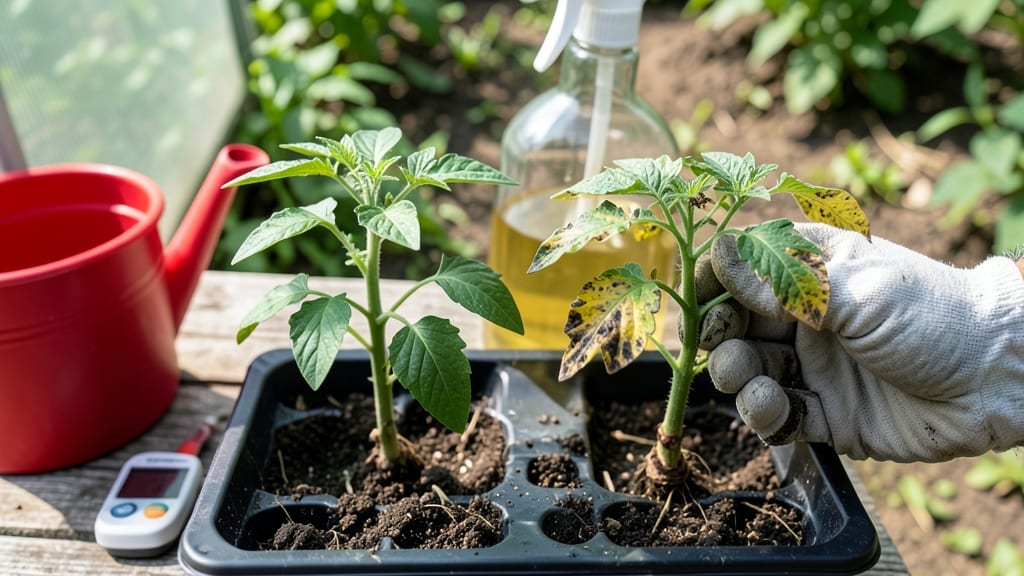
Your dying tomato seedlings are wilting before they even get a chance to grow—this is the most frustrating part of gardening. 🌱 I’ve pulled back more than a few sad, limp seedlings from the dirt, and I know the panic of thinking you’ve lost them before they’ve begun.
The good news? Most of these plants can be saved with the right steps, and you’ll spot the signs early enough to turn things around.
Overwatering, poor airflow, and fungal diseases like damping-off are the usual culprits behind those droopy stems and blackened bases. I’ve seen seedlings go from thriving to tragic in just a few days—usually because the soil stayed too wet, or the tray got crowded with no space for air to circulate.
The key is acting fast: reduce watering, improve airflow, and check for mold or pests before it’s too late.
With just three targeted fixes—adjusting your watering routine, spacing out seedlings properly, and sterilizing your containers—you’ll see them perk up within 24-48 hours. The first leaves will firm up, stems will stand tall again, and you’ll be back on track to a bountiful harvest.
Trust me, it’s worth the effort to bring them back.
This method works for any tomato variety, whether you’re growing heirlooms or hybrids, and it’s just as effective for seedlings in flats as it is for those in individual pots.
Once you’ve mastered the rescue, you’ll spot the warning signs before they become a full-blown crisis—and that’s when your garden really starts to thrive.
Root Causes Of Seedling Struggles
When your tomato seedlings start wilting, yellowing, or simply refusing to grow, it’s often a sign that something fundamental is off. Understanding the why behind their decline is the first step to saving them.
Below, we break down the most common culprits—each with a clear explanation of what’s happening at the cellular or environmental level—and how to spot them early.
Tomato seedlings thrive on consistent moisture, but too much water suffocates their roots by cutting off oxygen. When soil stays soggy, beneficial microbes that help roots absorb nutrients die off, and harmful fungi like Pythium or Phytophthora take over.
These pathogens clog root cells, blocking water and nutrient uptake—leading to stunted growth, blackened stems, and a mushy base.
How to spot it:
- Seedlings wilt even when soil feels damp.
- Leaves turn yellow, starting at the bottom.
- Roots appear dark, slimy, or rotten when gently pulled.
💡 Pro tip: Stick your finger 1 inch into the soil. If it’s wetter than a damp sponge, hold off on watering. Use pots with drainage holes and a mix of perlite or vermiculite to improve aeration.
While overwatering drowns roots, chronic underwatering causes them to dry out and shrink. Without moisture, root cells plasmolyze—their membranes pull away from the cell walls, halting nutrient transport.
Seedlings may appear crispy at the edges or develop a paper-like texture on leaves. Worse, stressed roots become prime targets for pests like fungus gnats.
How to spot it:
- Soil pulls away from pot edges and feels bone-dry.
- Leaves curl upward or droop dramatically by midday.
- Stems feel hollow or brittle when squeezed.
💡 Pro tip: Water deeply until it runs out the drainage hole, then let the top 1/2 inch of soil dry out before repeating. Mulch with straw to retain moisture and reduce evaporation.
Tomato seedlings are tender thermometers. Temperatures below 50°F (10°C) or above 90°F (32°C) disrupt critical processes like photosynthesis and nutrient uptake. Cold stress causes chilling injury, where cell membranes leak, and leaves develop grayish-brown patches.
Heat stress, meanwhile, denatures enzymes in roots, slowing growth and turning leaves yellow or white.
How to spot it:
- Stunted growth despite adequate water.
- Leaves develop irregular brown spots or a bleached appearance.
- Seedlings grow leggy (stretching toward light) in cool conditions.
💡 Pro tip: Use a seedling heat mat (70–75°F) for cool starts, and move containers to a shady, sheltered spot if temps exceed 85°F. A simple cloche (clear plastic dome) can regulate heat without trapping humidity.
Seedlings need a balanced cocktail of nitrogen (N), phosphorus (P), and potassium (K), plus micronutrients like magnesium and iron. If soil is too dense (clay-heavy), roots can’t penetrate easily, leading to compacted growth.
If it’s too sandy, nutrients wash away, causing chlorosis (yellowing between leaf veins). Even fresh manure can burn seedlings by releasing ammonia too quickly.
How to spot it:
- Yellowing leaves with green veins (iron/magnesium deficiency).
- Purple or red stems (phosphorus deficiency).
- Slow, stunted growth despite regular watering.
💡 Pro tip: Use a light, airy potting mix (50% peat/coir, 30% perlite, 20% compost). For nutrient boosts, add a balanced fertilizer (10-10-10) at half-strength every 2 weeks. Test soil pH—tomatoes prefer 6.0–6.8.
Fungal diseases like damping-off (caused by Rhizoctonia or Pythium) attack seedlings at the soil line, causing them to collapse suddenly. Viruses spread by aphids or whiteflies can stunt growth and mottle leaves. Even soil-borne nematodes pierce roots, leaving gall-like bumps that disrupt water flow.
How to spot it:
- Seedlings topple over at the base (damping-off).
- Sticky residue on leaves (aphids) or white webbing (spider mites).
- Roots look beaded or knobby (nematodes).
💡 Pro tip: Sterilize soil with a baking-soda solution (1 tbsp per gallon of water) before planting. Avoid overhead watering, and introduce beneficial nematodes (like Steinernema) to combat pests naturally.
When seedlings are overcrowded or transplanted too early, their delicate roots get damaged during the move. Even a slight root break can trigger osmotic stress, causing cells to lose water rapidly. Combine this with sudden temperature or light changes, and seedlings may wilt within hours.
How to spot it:
- Leaves curl inward or droop immediately after transplanting.
- Slow recovery (days of no growth despite care).
- Stems appear weak or floppy.
💡 Pro tip: Harden off seedlings gradually (5–7 days of outdoor exposure, increasing time daily). Transplant on a cloudy day and water deeply before and after moving. Use root stimulator (like seaweed extract) to encourage regrowth.
Fix Wilted Seedlings Fast
Reviving your struggling tomato seedlings starts with identifying the root cause—but once you’ve pinpointed the issue, action is simple. Below are practical, step-by-step solutions tailored to common problems, plus prevention tips to keep your plants thriving. No green thumb? No problem—these fixes work for beginners too!
Signs: Yellowing leaves, mushy stems, soil that stays soggy for days.
How to Fix It:
- 🔥 Stop Watering Immediately Let the top 1–2 inches of soil dry out before watering again. Overwatering suffocates roots by cutting off oxygen.
- 🍳 Improve Drainage
- Move pots to a tray with pebbles (to catch excess water).
- Mix perlite or coarse sand (1 part) into potting soil (3 parts) for better airflow.
- If seedlings are in a tray, drill drainage holes if missing.
- 👨🍳 Repot if Needed If roots are rotting, snip off blackened areas with sterilized scissors, then replant in fresh, well-draining soil.
💡 Prevention Tip:
- Water only when the top inch feels dry—stick your finger in to test!
- Use self-watering pots with air gaps to avoid soggy soil.
Signs: Crispy leaf edges, wilting even after watering, soil pulling away from pot sides.
How to Fix It:
- 🥘 Water Deeply & Slowly Use a slow drip (like from a spoon) to let water soak 3–4 inches down. Avoid overhead spraying, which evaporates moisture fast.
- 🌡️ Shield from Direct Sun
- Move seedlings to a shadier spot (e.g., under a sheer curtain or 50% shade cloth).
- If outdoors, water in the early morning to reduce evaporation.
- ✨ Boost Humidity (Temporarily) Place a humidity dome (or a plastic bag with holes) over seedlings for 2–3 days to help recovery.
💡 Prevention Tip:
- Mulch with straw to retain soil moisture.
- Group pots together to create a microclimate that holds humidity.
Signs: Seedlings collapsing at the soil line, fuzzy gray/moldy growth, or black stems.
How to Fix It:
- 🔪 Remove Infected Plants Snip off diseased seedlings below the soil with rubbing alcohol-clean scissors to prevent spread.
- 🌡️ Sterilize Your Setup
- Repot survivors in sterilized soil (bake soil at 200°F for 30 mins or use fungicide-treated mix).
- Disinfect trays/pots with a 10% bleach-water solution (1 part bleach to 9 parts water), then rinse.
- 🎯 Treat with Fungicide Spray remaining seedlings with copper fungicide or a baking soda solution (1 tsp baking soda + 1 quart water + few drops of soap).
💡 Prevention Tip:
- Space seedlings 1–2 inches apart for airflow.
- Avoid overhead watering—use a watering can with a narrow spout to direct water at the base.
Signs: Sticky residue on leaves, tiny webs, or chewed edges.
How to Fix It:
- 🍳 Blast Off Pests
- Spray with soapy water (1 tsp mild dish soap + 1 quart water) directly on pests.
- Neem oil spray (1 tbsp neem oil + 1 quart water + drop of soap) for stubborn infestations.
- 👨🍳 Introduce Beneficial Insects Release ladybugs or lacewings (available at garden centers) to eat pests naturally.
- 🥘 Isolate Infested Plants Move affected seedlings away from healthy ones until pests are gone.
💡 Prevention Tip:
- Inspect new plants before bringing them home.
- Use reflective mulch (like aluminum foil) to deter pests.
Signs: Yellowing between leaf veins (iron deficiency), stunted growth, or purple stems (phosphorus lack).
How to Fix It:
- 📊 Fertilize Lightly Use a balanced liquid fertilizer (5-5-5 or 10-10-10) diluted to half strength. Over-fertilizing burns roots!
- 💪 Boost Specific Nutrients
- Iron deficiency? Add chelated iron or crush eggshells (for calcium) into the soil.
- Nitrogen deficiency? Use fish emulsion or compost tea.
- 🍎 Improve Soil Health Mix in well-aged compost (1 part compost to 3 parts soil) for long-term nutrition.
💡 Prevention Tip:
- Test soil pH (ideal for tomatoes: 6.0–6.8). Adjust with lime (to raise pH) or sulfur (to lower it).
- Rotate crops yearly to prevent nutrient depletion.
🌟 Pro Tip: If seedlings are severely wilted but stems snap back when bent, they’re often salvageable! Focus on water, shade, and airflow for a quick turnaround. 🚀
Frequently asked questions
Why are my tomato seedlings wilting even when the soil feels moist?
This is often a sign of overwatering or root rot. When soil stays too wet, roots suffocate from lack of oxygen and fungal diseases like Pythium take over. Check for black, mushy stems or yellowing leaves starting at the bottom. Let the top 1-2 inches dry out completely before watering again, and ensure pots have proper drainage.
Can I save seedlings that have already collapsed at the soil line?
It depends! If the collapse is from damping-off disease (fuzzy gray mold at the base), unfortunately, most are lost. However, if they're just leggy or weak from poor light, you can often revive them. Remove any moldy plants immediately, then repot healthy ones in fresh, sterilized soil with better airflow. Use a humidity dome temporarily to help recovery.
How do I know if my seedlings need more light or less?
Look for these clues: Leggy, stretched seedlings with small leaves need more light (place within 6 inches of grow lights or in a sunny window). If leaves are yellowing or crispy with brown edges, they're getting too much direct sun—move them to a shadier spot or use 50% shade cloth. Seedlings should get 12-16 hours of light daily.
Is it better to use seedling trays or individual pots?
Individual pots (2-3 inches deep) are ideal for tomato seedlings because they prevent overcrowding and allow better control over moisture. Trays can work if you thin seedlings early (leave 2-3 inches between plants) and ensure excellent drainage. The key is air circulation—crowded seedlings spread diseases faster.
How long does it take to revive wilted tomato seedlings?
With proper care, you'll often see improvement within 24-48 hours. If the issue is water-related, seedlings may perk up within hours. For fungal issues or nutrient deficiencies, it can take 3-5 days to see recovery. Monitor daily and adjust care as needed—patience is key! Most seedlings can bounce back if roots aren't completely rotted.