
Planting
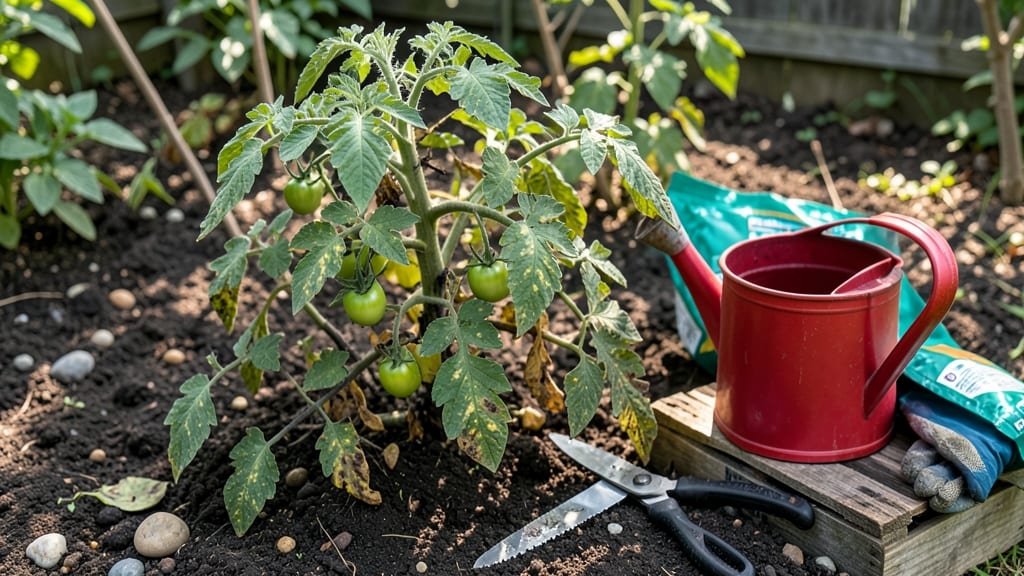
Your tomato plant is sending SOS signals—what does a dying tomato plant look like with yellow leaves, limp stems, or blackened spots—and you need to know what’s wrong before it’s too late. 🌱 I’ve seen every stage of tomato plant decline, from overwatered sad sacks to pest-ravaged skeletons, and the first step to saving it is recognizing the symptoms before they spiral.
Start by comparing it to a healthy plant: vibrant green leaves, sturdy stems, and bright flowers.
A dying plant will show uneven yellowing (often starting at the bottom), crispy brown edges, or mushy black spots—each clue points to a different problem, from fungal diseases to root rot or even too much sun. The key is catching these signs early, when treatment is still simple.
What you’ll learn here is how to diagnose the issue fast—whether it’s overwatering, underwatering, blight, or aphids—and which fixes actually work. I’ll show you the telltale differences between wilting from heat and wilting from disease, so you don’t waste time on the wrong cure.
By the end, you’ll spot trouble before it takes hold, and your tomatoes will bounce back stronger than ever. Let’s turn that sad plant around—here’s how to read its symptoms like a pro.
Root Causes Of Plant Decline
When your once-vibrant tomato plant starts showing signs of distress—like yellowing leaves, wilted stems, or mysterious black spots—it’s usually a cry for help from the roots (or somewhere else entirely). Understanding the why behind these symptoms is the first step to saving your garden’s star performer.
Below, we break down the most common culprits, explained in plain language with actionable science.
Tomatoes are thirsty plants, but too much water can drown them just as surely as too little. When soil stays soggy for days, roots suffocate from a lack of oxygen—a condition called anaerobic stress. This triggers:
- Yellowing leaves (chlorosis): Roots can’t absorb nutrients, so chlorophyll breaks down.
- Blackened stems or leaves: Fungal infections like Phytophthora thrive in waterlogged soil.
- Wilting despite wet soil: Roots rot and can’t uptake water efficiently.
Why it happens: Containers without drainage holes, heavy clay soil, or inconsistent watering (e.g., daily light showers) create the perfect storm. Tomatoes need well-draining soil—think sandy loam or amended garden beds with perlite/compost.
💡 Pro Tip: Stick your finger 2 inches into the soil. If it’s damp, wait. If it’s bone-dry, water deeply until it drains from the bottom. Fix drainage issues with raised beds or container holes.
Tomatoes are tropical at heart but hate heatwaves over 90°F (32°C) or sudden freezes. When temperatures swing too far from their ideal range (70–85°F / 21–29°C), they shut down:
- Leaf scorch (brown, crispy edges): Heat causes transpiration stress, drying leaves from the outside in.
- Wilting in the heat: Stomata (pores) close to conserve water, but the plant can’t cool itself.
- Blackened stems after frost: Cold damages cell membranes, leading to cold injury and rot.
Why it happens: Black plastic mulch, reflective surfaces, or late-season frosts disrupt the plant’s ability to regulate temperature. Young plants are especially vulnerable—their roots haven’t established deep enough to stabilize moisture.
🌡️ Quick Fix: Provide shade cloth (30–50% coverage) during heatwaves or use row covers for frost protection. Mulch with straw to insulate roots and retain soil moisture.
Not all tomato troubles start above ground. Hidden beneath the soil, root-feeding pests and pathogens can silently sabotage your plant:
🐛 Root-Knot Nematodes
Microscopic worms that penetrate roots, creating galls (lumpy growths) that block nutrient uptake. Symptoms:
- Stunted growth
- Yellowing leaves (even with adequate water)
- Roots that look "knobby" when washed
🍄 Fungal Infections (Fusarium/Wilt, Verticillium)
Soil-borne fungi clog xylem vessels (the plant’s water highways), causing:
- Sudden wilting (even in cool weather)
- Yellowing between leaf veins
- Black streaks in stems when cut open
🐜 Cutworms Or Grubs
Caterpillars or beetle larvae chew roots or sever them, leading to collapse. Look for:
- Plants that topple over
- Surface holes near the base
- Wilting that happens overnight
Why it happens: Poor soil health, monoculture (planting tomatoes in the same spot yearly), or contaminated compost invites these invaders. Nematodes thrive in warm, moist soil—common in southern climates or greenhouses.
🔪 Prevention: Solarize soil (cover with clear plastic for 4–6 weeks in summer), rotate crops, or use resistant varieties like ‘Mountain Merit.’ For grubs, handpick at night with a flashlight!
Tomatoes are heavy feeders, and when their diet lacks key nutrients, they send distress signals:
| Deficiency | Symptoms | Why It Happens |
|---|---|---|
| Nitrogen (N) | Pale yellow leaves (oldest first), stunted growth | Soil depletion or over-fertilizing with phosphorus-heavy mixes. Tomatoes need 1 lb of nitrogen per 100 sq ft. |
| Potassium (K) | Yellowing edges (scorch), weak stems, poor fruit set | Leaching in sandy soil or overwatering flushes K away. Critical for osmotic regulation (water balance). |
| Magnesium (Mg) | Yellow patches between veins (interveinal chlorosis) | Acidic soil or over-fertilizing with synthetic N (which competes with Mg uptake). |
| Calcium (Ca) | Blossom end rot (black, sunken spots on fruit), distorted new leaves | Inconsistent watering or high soil pH (>7.0) locks out Ca. Roots can’t absorb it fast enough during dry spells. |
Why it happens: Most garden soils are naturally deficient in magnesium and calcium, especially in northern climates. Synthetic fertilizers can also create imbalances by overloading one nutrient while starving others.
💪 Fix It:
- Test soil pH (aim for 6.0–6.8) and amend with lime (for Ca/Mg) or sulfur (for acid-loving plants).
- Use a balanced fertilizer (e.g., 5-5-5) + side-dress with compost every 3–4 weeks.
- For blossom end rot, water deeply and consistently and spray leaves with calcium nitrate (1 tsp/gallon).
Most dying tomato plants are salvageable if you catch the issue early. The key is observing where the damage starts (leaves, stems, roots) and when it worsens (morning wilting vs. evening collapse). Next, we’ll tackle step-by-step fixes for each scenario.
Revive Your Tomato Plant Now
A dying tomato plant might feel like a lost cause, but with the right steps, you can often bring it back to life—or at least salvage the harvest. The key is identifying the root cause (literally and figuratively) and acting fast.
Below, we’ve mapped out practical fixes for common issues, from overwatering to pests, plus prevention tips to keep your plants thriving.
Signs: Yellow leaves starting at the bottom, wilting, or soft stems.
1.
Adjust Watering Habits 💦 - Problem: Overwatering suffocates roots, while underwatering stresses the plant. - Fix: - Check soil moisture by sticking your finger 1–2 inches deep—if damp, hold off on watering. - Water deeply but less often (1–1.5 inches per week, depending on climate). - Improve drainage by adding compost or perlite to heavy soil. - Prevention: Use a moisture meter or plant in raised beds for better airflow.
2.
Boost Nutrients 🌱 - Problem: Yellow leaves often signal nitrogen (N), potassium (K), or magnesium (Mg) deficiency. - Fix: - Fertilize with balance: Use a 5-10-10 or 10-10-10 fertilizer (N-P-K) every 2–3 weeks. - For magnesium deficiency (yellow between veins): Sprinkle Epsom salt (1 tbsp per gallon of water) monthly. - Compost tea can revive soil microbes for better nutrient uptake.
Signs: Drooping leaves, crispy edges, or stems that feel mushy or hollow.
1. Rule Out Underwatering 🌞
- Fix:
- Water early in the morning to reduce evaporation.
- Mulch heavily (2–3 inches of straw or wood chips) to retain moisture.
- Move potted plants to a shadier spot if wilting persists (heat stress).
2.
Fight Fungal Diseases (Early Blight, Verticillium) 🛡️ - Signs: Wilting + dark spots on stems/leaves. - Fix: - Prune infected leaves with sterilized scissors (dip in rubbing alcohol). - Spray copper fungicide or a baking soda mix (1 tsp baking soda + 1 quart water + drop of soap). - Rotate crops next season—don’t plant tomatoes in the same spot.
3.
Check for Pests (Aphids, Spider Mites) 🐜 - Fix: - Blast off pests with a strong spray of water. - Neem oil spray (1 tbsp neem oil + 1 tsp mild soap per quart of water) every 5–7 days. - Release ladybugs or introduce beneficial nematodes for long-term control.
Signs: Dark, sunken spots on leaves/stems; slimy or moldy growth.
1. Act Fast Against Early Blight or Septoria 🍄
- Fix:
- Remove all infected leaves (don’t compost—trash them!).
- Apply organic fungicide (copper soap or potassium bicarbonate).
- Space plants wider (18–24 inches apart) for better airflow.
2. Treat Bacterial Spot (Oozing Lesions) 🩺
- Fix:
- Prune infected parts immediately with clean tools.
- Avoid overhead watering—use drip irrigation instead.
- Sterilize tools between cuts (bleach solution: 1 part bleach to 9 parts water).
3. Prevent Soilborne Diseases 🌍
- Fix:
- Solarize soil (cover with clear plastic for 4–6 weeks in summer) to kill pathogens.
- Plant disease-resistant varieties (e.g., ‘Mountain Merit’ or ‘Celebrity’ tomatoes).
If your tomato is completely wilted, blackened, or covered in pests, don’t give up yet:
- Trim back all dead/diseased growth.
- Repot in fresh, sterile soil (if potted) or transplant to a new spot (if in ground).
- Use a root stimulator (like mycorrhizal fungi or hydroponic nutrient solution) to encourage regrowth.
- Provide shade for 1–2 weeks to reduce stress.
- 🌡️ Monitor temperature: Tomatoes thrive at 70–85°F.
Use shade cloth if temps exceed 90°F. - ✨ Prune regularly: Remove suckers (side shoots) to improve airflow and fruit production. - 🎯 Stake or cage early: Prevents breakage and improves sunlight exposure. - 🔥 Rotate crops: Avoid planting tomatoes in the same spot for 3+ years to prevent disease buildup.
Remember: Even a plant on its last legs can stage a comeback with the right care. Start with the most obvious issue (like overwatering or pests), act quickly, and give your tomato a fighting chance—your next homegrown salad might just depend on it! 🍅🌿
Frequently asked questions
What's the difference between yellow leaves from overwatering vs. nutrient deficiency?
Overwatering causes uniform yellowing starting at the bottom leaves, often with mushy stems or bad smells from root rot. Nutrient deficiencies (like nitrogen) show pale yellow but keep green veins, while magnesium deficiency creates yellow patches between veins. Check soil moisture first—if it's damp, it's likely overwatering.
Can a tomato plant recover if the stems turn black and mushy?
Black, mushy stems usually mean fungal infection (like Phytophthora) or severe root rot. If only the top is affected, you might save it by pruning back to healthy green tissue and treating with copper fungicide. But if the entire stem is hollow or oozing, the plant is likely beyond saving—focus on preventing spread to other plants.
Why are my tomato leaves wilting during the day but perking up at night?
This classic heat stress pattern happens when daytime temps exceed 90°F (32°C). Tomatoes close their stomata (pores) to conserve water, causing wilting. Provide shade cloth (30-50%) or move potted plants to afternoon shade. Mulch with straw to keep roots cooler—wilting at night means the plant can't recover overnight.
How do I tell if my tomato plant is dying from pests vs. disease?
Pests (like aphids or spider mites) leave visible bugs, webbing, or sticky residue (honeydew). Diseases show spots, lesions, or mold without pests present. Check the undersides of leaves for tiny insects—if you find them, use neem oil spray. For diseases, remove infected parts immediately and use copper fungicide.
Is it too late to save my tomato plant if it's completely wilted?
Not always! First, check if the roots are still white (healthy) or brown/mushy (dead). If roots are alive, trim all dead growth, repot in fresh soil, and give it 2 weeks of shade while you monitor. If roots are rotted, the plant is likely done—but you can still harvest any green tomatoes (they'll ripen indoors!).