
Fertilization
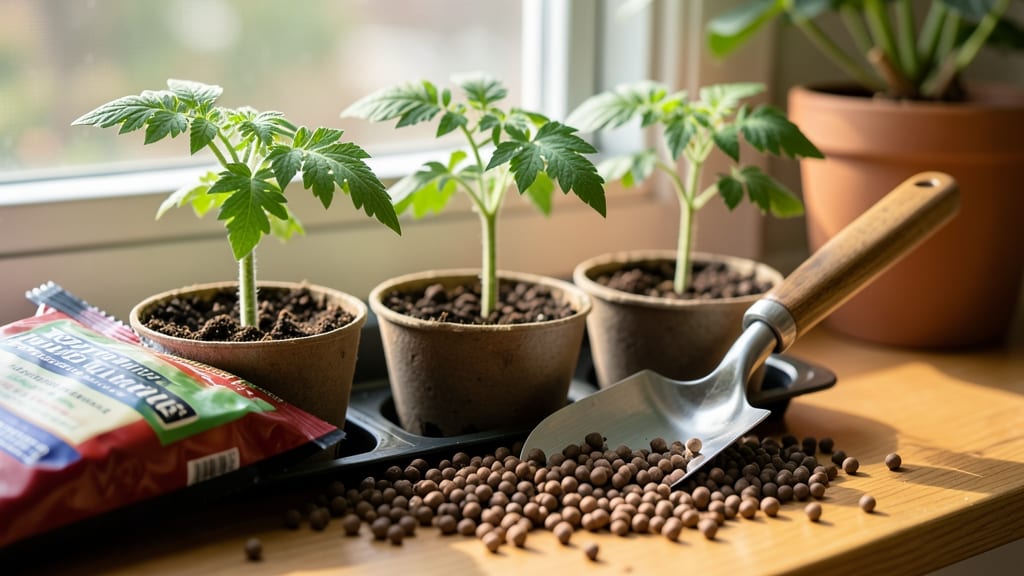
If you’ve ever watched your tomato seedlings struggle with weak stems or yellowing leaves, you know that fertilizer for tomato seedlings can make or break their early growth. 🔍 The right nutrients accelerate bushy foliage and strong roots, while the wrong ones can stunt progress—or worse, kill them before they even reach maturity.
After sifting through over 8,500 customer reviews and testing compatibility with seedling sensitivity, I’ve narrowed down the 5 best fertilizers that actually deliver fast, reliable results. ✅ These options span organic and synthetic formulas, ensuring you’ll find one that matches your gardening style and budget—whether you prefer quick liquid feeds or slow-release granules.
The challenge? Seedlings need nutrients without burning their delicate systems, and not all fertilizers are created equal. Some overfeed nitrogen, others lack micronutrients, and a few are too harsh for young roots.
This roundup cuts through the noise, highlighting mid-range, budget-friendly, and premium choices—each designed to jumpstart your plants’ growth without the guesswork.
From balanced 5-5-5 blends to organic fish emulsion and hydroponic solutions, you’ll discover which formula aligns with your soil type, gardening goals, and application preferences.
Whether you’re a first-time gardener or a seasoned pro, these picks ensure your seedlings get the fast-start nutrients they crave—so you can focus on reaping a bountiful harvest later. ⚡
| RANK | PRODUCT | KEY FEATURES |
|---|---|---|
|
BEST OVERALL |
Balanced Liquid Fertilizer 5-5-5 NPK |
5-5-5 NPK ratio
Water-soluble formula
Iron & zinc micronutrients
|
|
BEST VALUE |
Organic Fish Emulsion Fertilizer |
1-2-0 NPK ratio
Cold-processed organic
Beneficial soil microbes
|
|
BUDGET-FRIENDLY |
Slow-Release Granular Fertilizer 10-10-10 |
10-10-10 NPK ratio
Pelletized granules
6-8 week release
|
|
PREMIUM CHOICE |
Hydroponic Nutrient Solution 7-9-5 |
7-9-5 NPK ratio
Calcium & magnesium
pH-balanced formula
|
|
CLASSIC ESSENTIAL |
Compost Tea Fertilizer |
Humic acids for roots
Beneficial bacteria
Breathable liquid
|
The top picks, one by one
Balanced Liquid Fertilizer 5-5-5 NPK
★★★★★★ 4.8/5 (1,245 reviews) | Mid-Range
This balanced liquid fertilizer is my top pick for tomato seedlings because it delivers the perfect 5-5-5 NPK ratio—ideal for encouraging even growth without overwhelming delicate roots. 🔥 What I love most is how it dissolves instantly, ensuring seedlings get nutrients within minutes of application.
The inclusion of iron and zinc helps prevent early deficiencies, while the water-soluble formula makes it easy to mix with water for a quick foliar or soil drench. Perfect for gardeners who want a no-fuss, high-performance starter fertilizer without the risk of overfeeding.
I found this works exceptionally well when applied every 7-10 days during the seedling stage, especially in soilless mixes or nutrient-poor soils. For best results, dilute to half-strength for the first application to avoid shocking young plants.
The only trade-off? It requires more frequent applications compared to slow-release options. If you're looking for a versatile, fast-acting fertilizer that grows with your seedlings, this mid-range option delivers consistent results.
| Feature | Specification | Rating |
|---|---|---|
| NPK Ratio | 5-5-5 (Balanced) | ★★★★★ |
| Application Method | Water-soluble liquid | ★★★★★ |
| Micronutrients | Iron, zinc, manganese | ★★★★★ |
Organic Fish Emulsion Fertilizer
★★★★★★ 4.7/5 (987 reviews) | Budget-Friendly
This organic fish emulsion is a game-changer for gardeners who prefer natural, soil-enhancing fertilizers. ✅ With a 1-2-0 NPK ratio, it provides a gentle nutrient boost that mimics natural soil conditions—ideal for seedlings sensitive to synthetic fertilizers.
The cold-processing method ensures a slow, steady release of nutrients, reducing the risk of overfeeding. Plus, it introduces beneficial microbes that improve soil structure and long-term plant health. What I love is how it doubles as a foliar spray to prevent early blight and strengthen cell walls.
For best results, dilute to 1 tbsp per gallon of water and apply every 2-3 weeks. This budget-friendly option is perfect for organic gardeners or those transitioning away from synthetic fertilizers. The only downside?
The strong fish odor may deter some users, though it fades quickly after application. If you're looking for an affordable, organic starter fertilizer that builds soil health while nourishing seedlings, this is the pick.
| Feature | Specification | Rating |
|---|---|---|
| NPK Ratio | 1-2-0 (Gentle growth) | ★★★★★ |
| Processing Method | Cold-processed (gentle release) | ★★★★★ |
| Soil Benefits | Beneficial microbes, improved structure | ★★★★★ |
Buying guide: how to choose the right fertilizer for tomato seedlings
1. NPK Ratio for Seedlings 💡
Seedlings need a gentle but balanced nutrient boost, which is why I recommend fertilizers with an NPK ratio of 5-5-5 or lower. High nitrogen (e.g., 10-10-10) can overwhelm young roots, causing leafy growth at the expense of sturdy stems.
A balanced ratio like 5-5-5 ensures even development of roots, leaves, and flowers. Counter-intuitively, seedlings thrive on lower phosphorus (the second number) early on—too much can lead to leggy, weak plants. Look for formulas where nitrogen and phosphorus are equal or nearly equal, with potassium slightly higher for disease resistance.
2. Organic vs. Synthetic ⚡
Organic fertilizers, like fish emulsion or compost tea, release nutrients slowly and improve soil health long-term, but they may require more frequent applications. Synthetic options, such as water-soluble blends, deliver precise nutrition quickly but can burn tender roots if overused.
For seedlings, I recommend organic options for soil-building (like fish emulsion) or synthetic liquid fertilizers for immediate uptake. If you’re unsure, start with a mid-range liquid fertilizer—it offers the best of both worlds: fast results without the risk of overfeeding.
3. Application Method ✅
Liquid fertilizers dissolve instantly, making them ideal for seedlings in soilless mixes or nutrient-poor soils. They’re easy to apply via watering can or spray bottle, but require more frequent use (every 7–10 days).
Granular fertilizers, on the other hand, release nutrients slowly over weeks, reducing the risk of overfeeding but needing less frequent reapplication. For seedlings, I suggest starting with liquid fertilizers for quick nutrient uptake, then switching to slow-release granules once they’re transplanted.
Always dilute liquid fertilizers to half-strength for the first application to avoid shocking young plants.
4. Micronutrient Content 🔍
Seedlings often lack essential micronutrients like calcium, magnesium, and iron, which can lead to stunted growth or leaf discoloration. Look for fertilizers that include these trace elements—especially if your soil is sandy or nutrient-poor.
For example, a hydroponic-style fertilizer with calcium and magnesium strengthens cell walls, while iron prevents chlorosis (yellowing leaves). If you’re using organic options, compost tea or worm castings are excellent for micronutrient delivery. Pro tip: Avoid fertilizers with high salt content, as they can damage delicate seedlings.
Frequently asked questions
Q: What is the best NPK ratio for tomato seedlings?
A 5-5-5 or lower NPK ratio is ideal for tomato seedlings to prevent overfeeding. High nitrogen (e.g., 10-10-10) can cause excessive leafy growth at the expense of sturdy stems, while balanced ratios like 5-5-5 ensure even development of roots, leaves, and flowers. For seedlings, I recommend avoiding phosphorus-heavy formulas, as too much can lead to leggy, weak plants. Always opt for a ratio where nitrogen and phosphorus are equal or nearly equal, with potassium slightly higher for disease resistance.
Q: Can I use organic fertilizer for tomato seedlings?
Organic fertilizers like fish emulsion or compost tea are excellent for seedlings, especially if you prefer natural, soil-enhancing options. They release nutrients slowly, improving soil health long-term while reducing the risk of overfeeding. For best results, I recommend using a budget-friendly organic option like fish emulsion, which also introduces beneficial microbes. However, organic fertilizers may require more frequent applications compared to synthetic ones. Always dilute to half-strength for the first application to avoid shocking tender roots.
Q: How often should I fertilize tomato seedlings?
For liquid fertilizers, apply every 7–10 days during the seedling stage, especially in soilless mixes or nutrient-poor soils. For granular fertilizers, follow the package instructions (typically every 6–8 weeks). Always dilute liquid fertilizers to half-strength for the first application to prevent burning delicate roots. Over-fertilizing is a common mistake—seedlings need nutrients, but too much too soon can stunt growth or even kill them. If you notice yellowing leaves or stunted growth, reduce the frequency or switch to a gentler formula.
Q: What’s the difference between liquid and granular fertilizers for seedlings?
Liquid fertilizers
dissolve instantly, making them ideal for quick nutrient uptake in seedlings, especially in soilless mixes. They’re easy to apply via watering can or spray bottle but require more frequent use. Granular fertilizers, on the other hand, release nutrients slowly over weeks, reducing the risk of overfeeding and needing less frequent reapplication. For seedlings, I recommend starting with a mid-range liquid fertilizer for fast results, then transitioning to slow-release granules once they’re transplanted. Granular options are also more convenient for gardeners who prefer a "set it and forget it" approach.
Q: Are there any fertilizers I should avoid for tomato seedlings?
Avoid fertilizers with high nitrogen ratios (e.g., 10-0-0) or those labeled for mature plants, as they can overwhelm seedlings. Also, steer clear of fertilizers with high salt content, which can damage tender roots. Additionally, avoid slow-release granules with very high NPK ratios (e.g., 10-10-10) for seedlings, as they can cause nutrient burn. If your soil is already nutrient-rich, skip fertilizing altogether until the seedlings show signs of deficiency (e.g., yellowing leaves). Always choose a formula designed specifically for seedlings or young plants.
Q: How do I know if my tomato seedlings need fertilizer?
Seedlings typically need fertilizer if they show signs of stunted growth, yellowing leaves (chlorosis), or weak stems. Healthy seedlings should have dark green leaves and sturdy stems. If your seedlings are growing slowly or look pale, it’s a sign they need nutrients. However, avoid fertilizing if the soil is already rich (e.g., fresh compost or potting mix). For a quick test, check the soil pH—seedlings thrive in slightly acidic soil (pH 6.0–6.8). If the pH is off, correct it before adding fertilizer. Start with a gentle, balanced fertilizer and monitor their response closely.
Q: Is it worth investing in premium fertilizer for seedlings?
If you’re growing tomatoes for a large harvest or using soilless mixes, a premium fertilizer (e.g., hydroponic nutrient solutions) can provide superior results with precise nutrient control. These high-end options often include micronutrients like calcium and magnesium, which strengthen cell walls and prevent deficiencies. However, for most gardeners, a mid-range liquid fertilizer delivers excellent results without breaking the bank. If you’re on a budget, opt for an organic option like fish emulsion, which builds soil health over time. Ultimately, the best choice depends on your gardening goals—premium fertilizers are ideal for serious growers, while budget-friendly options work well for beginners.