
Plants
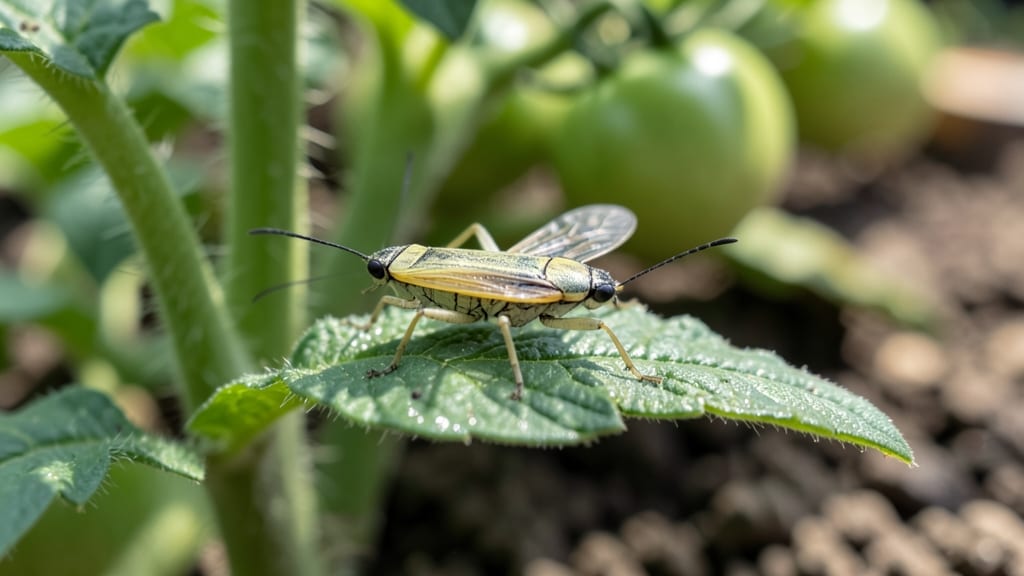
When flying bugs attack your tomato plants, organic sprays can stop the damage in days—not weeks. 🌱 I’ve watched hornworms strip leaves overnight and whiteflies turn foliage sticky, but these fast-acting solutions work without harsh chemicals.
The key is acting early and targeting the right pests with the right remedy. Most gardeners panic when they spot flying bugs, but the damage clues are obvious: chewed leaves, honeydew drips, or tiny black sooty mold.
My first mistake was assuming all flying bugs needed the same fix—turns out, hornworms need a different approach than whiteflies. The right spray stops the spread within 24-48 hours if applied correctly. You’ll see immediate results with neem oil for soft-bodied pests or insecticidal soap for whiteflies.
For hornworms, handpicking at dawn (they’re sluggish then) works faster than any spray. The plants rebound quickly, and the bugs don’t return if you follow up with preventive sprays every 7-10 days. This works for backyard gardens, containers, and even greenhouse setups.
The secret? Speed and consistency—don’t wait for the infestation to explode. Here’s how to identify the culprit and choose the right fix fast.
Why it happens
If you’ve ever spotted tiny, buzzing invaders feasting on your tomato plants, you’re not alone. These flying pests don’t just appear out of nowhere—they’re drawn to tomatoes by a mix of natural cues, environmental conditions, and even human gardening habits.
Understanding why these bugs target your plants is the first step to stopping them in their tracks. Let’s break down the key reasons behind their unwelcome visits.
Tomatoes are like all-you-can-eat restaurants for flying bugs, especially hornworms, whiteflies, aphids, and fruit flies. Why? Because they’re packed with:
- Sugary nectar – Flowers and young leaves produce honeydew, a sweet liquid that attracts aphids and whiteflies.
- Soft, juicy fruit – Overripe or damaged tomatoes release volatile organic compounds (VOCs) that signal "easy prey" to fruit flies and hornworms.
- High moisture content – Bugs like whiteflies thrive in humid conditions, and tomatoes retain moisture longer than many other plants.
Actionable fix: Pick tomatoes as soon as they ripen to remove the buffet. Prune lower leaves to reduce humidity near the fruit.
Most flying tomato pests are warm-weather creatures. When temperatures rise above 70°F (21°C), their activity skyrockets. Here’s how heat plays a role:
- Faster reproduction – Whiteflies and aphids lay eggs at a rapid pace in heat, leading to explosive infestations.
- Stronger flight activity – Hornworms and beetles become more mobile, hopping from plant to plant in search of fresh meals.
- Weaker plant defenses – Heat stress makes tomatoes more vulnerable to damage, making them easier targets.
Actionable fix: Use shade cloth in peak summer to keep temps below 85°F (29°C). Mulch around plants to regulate soil temperature.
While tomatoes need consistent moisture, overwatering turns your garden into a bug paradise. Here’s how:
- Soggy soil = fungus gnats – These tiny, flying pests breed in damp soil and lay eggs in moisture-rich environments.
- Fungal growth attracts pests – Excess water leads to mold and mildew, which whiteflies and aphids love to feed on.
- Stagnant water = breeding grounds – Standing water near plants (like in saucers or low spots) becomes a nursery for fruit flies and mosquitoes.
Actionable fix: Water deeply but only when the top inch of soil is dry. Improve drainage with perlite or raised beds.
Bugs thrive in cluttered, neglected gardens. If your tomato patch has:
- Debris or fallen fruit – Rotten tomatoes emit odors that lure fruit flies and beetles.
- Weeds nearby – Many pests (like aphids) live on weeds before migrating to tomatoes.
- No beneficial predators – Without ladybugs, lacewings, or parasitic wasps, flying pests multiply unchecked.
Actionable fix: Clear fallen leaves, fruit, and weeds within 3 feet of tomato plants. Plant companion flowers like marigolds or basil to attract bug-eating allies.
Now that you know why these pests are crashing your tomato party, the next step is organic sprays and traps to kick them out for good. 🚫🐞
Quick Fixes for Winged Tomato Plant Invaders
Seeing flying bugs hovering around your tomato plants can feel like a losing battle—but it doesn’t have to be. The good news? Most of these pests have predictable patterns, and with the right approach, you can banish them fast while keeping your garden organic and thriving.
Below, we’ve mapped out the best solutions based on the most common culprits and their habits. Whether you’re dealing with hornworms, aphids, or whiteflies, these methods are proven to work without harsh chemicals.
These green giants (up to 4 inches!) devour tomato leaves overnight, leaving behind skeletonized foliage and droppings. Since they’re fast-moving and well-camouflaged, early detection is key.
👨🍳 Step-by-Step Removal
- 🔍 Scout at Dawn or Dusk
- Hornworms are most active during low light. Check the undersides of leaves and near blossoms.
- 🪰 Handpick Relentlessly
- Wear gloves and drop them into soapy water (1 tbsp dish soap per gallon) to kill them instantly.
- Pro Tip: Look for their poop (black frass) as a clue—they leave a trail!
- 🐛 Introduce Beneficial Predators
- Praying mantises and parasitic wasps (like Cotesia congregata) love hornworms. Buy them online or attract them with native plants like dill or fennel.
- 🌿 Use Neem Oil Spray (Last Resort)
- Mix 1 tsp neem oil + 1 tsp mild soap + 1 quart water, spray undersides of leaves at dusk (avoids harming bees). Reapply every 5–7 days.
💡 Prevention Tips
- 🌱 Plant Basil Near Tomatoes – The scent repels hornworms.
- 🕰️ Rotate Plantings – Avoid planting tomatoes in the same spot yearly (hornworm eggs overwinter in soil).
- 🌙 Use Yellow Sticky Traps – Place them near plants to catch adult moths before they lay eggs.
Aphids cluster on new growth, siphoning sap and excreting honeydew—a sticky mess that attracts mold (sooty mold). They reproduce exponentially, so act fast!
🔪 Rapid Elimination Methods
- 💦 Blast Them Off with Water
- Use a strong spray nozzle to dislodge them from stems and leaves. Do this every 2–3 days until gone.
- 🐝 Encourage Ladybugs & Lacewings
- Buy lacewing eggs or ladybug larvae from garden centers. They devour aphids in hours.
- 🌿 Spray Homemade Soap Solution
- Mix 1 tbsp castile soap + 1 quart water, spray directly on clusters. Reapply after rain.
- 🌿 Try Garlic or Chili Pepper Spray
- Blend 4 garlic cloves + 1 tbsp cayenne + 1 quart water, strain, and spray. Aphids hate the smell!
🎯 Long-Term Prevention
- 🌱 Interplant with Aphid-Repelling Herbs – Try marigolds, chives, or thyme.
- 🌱 Avoid Over-Fertilizing with Nitrogen – Aphids love lush, soft new growth.
- 🌿 Prune Infested Leaves Immediately – Drop them into a sealed bag to prevent spread.
These tiny white moths flutter when disturbed and weaken plants by sucking juices, leading to yellowing leaves and stunted growth. They’re hard to see until it’s too late!
🌡️ Heat & Trapping Tactics
- 🔥 Use Yellow Sticky Traps
- Hang yellow cards coated in petroleum jelly near plants. Whiteflies are drawn to yellow and get stuck.
- 💨 Create a DIY Aspirator
- Use a shop vac with a fine mesh bag to suck them up (wear a mask!). Do this early morning when they’re sluggish.
- 🌿 Spray Horticultural Oil
- Apply refined mineral or neem oil (follow label rates) to smother eggs and adults. Best done at night to avoid harming bees.
- 🌱 Introduce Parasitic Wasps
- Encarsia formosa wasps lay eggs inside whitefly pupae. Order them online for a permanent fix.
✨ Prevention for Next Season
- 🌿 Inspect New Plants – Quarantine any new additions for 2 weeks before planting.
- 🌱 Remove Weeds & Debris – Whiteflies love hiding in garden trash.
- 🌿 Use Row Covers Early – Lightweight fabric keeps adults out until plants are established.
Final Reminder: Consistency is key! Most flying pests take 7–14 days to fully eradicate. Combine manual removal, natural predators, and organic sprays for the fastest results. Your tomato plants (and your sanity) will thank you!
Frequently asked questions
Why do I suddenly see flying bugs around my tomato plants?
Flying bugs like whiteflies, hornworms, or fruit flies are drawn to tomatoes because they offer sugary nectar, soft leaves, and ripe fruit. Warm weather and overwatered soil create the perfect breeding ground, while neglected garden debris provides hiding spots. Check for chewed leaves, sticky residue (honeydew), or tiny eggs to identify the culprit.
Are flying bugs harmful to my tomato harvest?
Yes! Pests like hornworms can strip leaves overnight, while whiteflies weaken plants by sucking juices, leading to stunted growth. Fruit flies lay eggs in ripe tomatoes, causing rot. Act fast—handpick large pests or use organic sprays like neem oil to protect your yield.
How do I tell if flying bugs are damaging my tomatoes?
Look for these red flags: skeletonized leaves (hornworms), yellowing leaves (whiteflies), or tiny black spots (fruit fly eggs). Check the undersides of leaves for eggs or sticky honeydew. Early detection means faster fixes—try yellow sticky traps or a strong water spray to dislodge pests.
Can I use store-bought sprays, or should I make my own?
Both work! For fast results, try neem oil or insecticidal soap (mix 1 tsp soap + 1 quart water). For stubborn pests, horticultural oil smothers eggs and adults. Always test sprays on a small leaf first—some plants are sensitive. Reapply every 5–7 days for best results.
Will flying bugs come back after I treat my plants?
Yes, but prevention stops reinfestation. Remove fallen leaves/debris, rotate crops yearly, and plant marigolds or basil to repel pests. Use row covers early in the season, and check new plants for hidden eggs before adding them to your garden. Consistency is key!