
Pests and Diseases
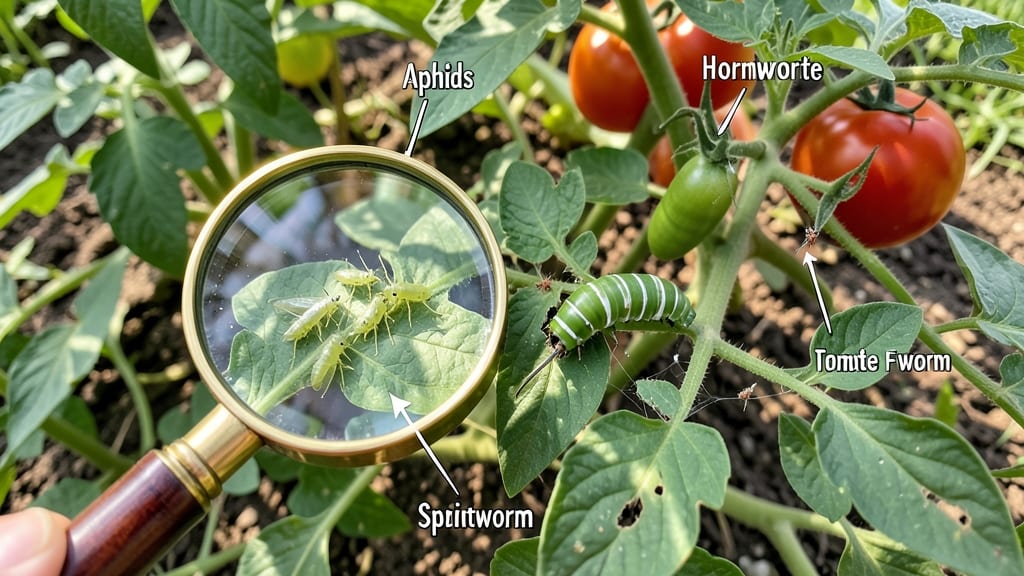
Spotting tomato pests early—especially when you have their pictures and names—saves your harvest, and my garden learned that the hard way when hornworms turned my plants into skeleton leaves. 🌱 This guide shows you exactly what to look for, from tiny aphids to sneaky blight spots, with clear descriptions and prevention tips that actually work.
Most problems start small: a few chewed leaves, yellowing spots, or sticky residue. The key is catching them before they spread, which means knowing the 5 most destructive tomato pests and their telltale signs.
I’ll walk you through each one, including what they look like up close and how to stop them without harsh chemicals.
Once you recognize the culprits, you’ll tackle them with targeted solutions—like neem oil for aphids or row covers for hornworms—that protect your plants and the pollinators you want in your garden. No more guessing what’s wrong or spraying everything in sight.
Whether you’re dealing with a sudden infestation or just want to prevent one, this is your go-to reference. Bookmark it now—you’ll thank yourself when your tomatoes stay lush and pest-free all season.
Root Causes Of Tomato Pests
Tomato pests don’t just appear out of thin air—they’re drawn to your garden by a mix of environmental factors, plant weaknesses, and even your own gardening habits.
Understanding these triggers helps you break the cycle and protect your crop. Let’s dig into the science behind why these critters crash your tomato party.
Tomatoes rely on natural defenses like thick skins, bitter compounds, and strong root systems to fend off pests. When these defenses weaken, insects and diseases move in like uninvited guests at a buffet.
- 🔬 Nutrient Deficiencies A lack of key nutrients—especially nitrogen, potassium, or calcium—stresses plants, making them softer and more appealing to chewers like hornworms or aphids.
For example: - Yellowing leaves? Likely nitrogen deficiency → weaker stems, easier for pests to climb. - Blossom-end rot? Calcium shortage → cracked fruit, entry points for fungi and borers.
- 🌡️ Heat or Cold Stress Tomatoes thrive in 60–85°F (15–29°C).
Outside this range: - Too hot? Plants wilt, reducing sugar content (less bitter, more palatable to pests like fruit flies). - Too cold? Slows growth, leaving plants vulnerable to whiteflies or spider mites, which thrive in dry, warm microclimates.
- 💧 Overwatering or Drought
- Soggy soil? Roots suffocate, attracting cutworms or slugs (they love damp hideouts).
- Drought-stressed plants? Release stress signals that aphids detect, luring them to feed on weakened sap.
Pests don’t randomly pick your tomatoes—they’re drawn by shelter, food, and breeding grounds you might accidentally provide.
- 🍃 Dense, Unkempt Foliage
- Why? Thick leaves trap moisture, creating perfect conditions for fungal gnats or white mold.
- Actionable fix: Prune regularly to improve airflow and remove voles or earwigs hiding in leaf litter.
- 🪰 Wooden Stakes or Mulch Piles
- Why? Decaying wood attracts tomato fruitworms (larvae of moths) and beetles. Mulch that’s too thick can trap cutworms near stems.
- Pro tip: Use metal or plastic stakes and keep mulch 2–3 inches deep, away from plant bases.
- 🌻 Nearby Weeds or Wild Plants
- Why? Weeds like nightshade or dandelions host aphids, flea beetles, and spider mites before they migrate to your tomatoes.
- Solution: Maintain a 5-foot weed-free zone around tomato plants.
Many tomato pests have synchronized life cycles that align with your plant’s growth stages. Missing these windows means missed opportunities to intervene.
| Pest | Peak Attack Phase | Why It Happens |
|---|---|---|
| Aphids | Early spring (new growth) | New shoots are tender; aphids probe for sap with their needle-like mouths. |
| Hornworms | Summer (flowering/fruiting) | They target blooms and fruit—high-protein, high-water snacks. |
| Flea Beetles | Late spring (seedlings) | Chew tiny holes in young leaves, stunting growth before plants mature. |
| Whiteflies | Hot, dry spells | Thrive in heat-stressed plants; lay eggs on undersides of leaves. |
- 💡 Pro Tip: Set up sticky traps in early spring to monitor for whiteflies or aphids before they explode in population.
Even the best-intentioned gardener can unintentionally feed, shelter, or spread tomato pests. Here’s how:
- 🍅 Over-Fertilizing with Nitrogen
- Problem: Lush, soft growth attracts hornworms and slugs (they love tender, fast-growing plants).
- Fix: Use a balanced 10-10-10 or 5-5-5 fertilizer and avoid high-nitrogen amendments like manure near fruiting stages.
- 🌿 Planting Too Close Together
- Problem: Crowded tomatoes create humid microclimates, perfect for early blight (a fungal disease spread by tomato fruitworms).
- Solution: Space plants 18–24 inches apart for airflow.
- 🛒 Bringing Infested Plants or Soil
- Problem: Buying contaminated seedlings or reusing potting mix can introduce nematodes or fungal spores.
- Prevention: Inspect new plants for tiny eggs on stems or white webbing (signs of mites).
Tomato pests exploit weaknesses in your plants and garden setup. By addressing these root causes—stress, habitat, timing, and human habits—you’ll make your garden far less hospitable to unwelcome visitors. Next, we’ll cover how to spot these pests early before they cause damage!
Quick Fixes for Tomato Pests
Discovering pests on your tomato plants can feel like a nightmare, but don’t panic! With the right strategies, you can restore your garden’s health and protect your harvest. Below, we’ve matched common tomato pests to practical solutions—so you can act fast and keep your plants thriving.
These striped caterpillars can devour entire leaves overnight. Here’s how to stop them in their tracks:
🔥 Immediate Action: Handpick & Remove
- 👨🍳 Scan plants in the early morning (hornworms are sluggish then).
- 🥘 Drop them in soapy water—never release them nearby (they’ll return!).
- ⏰ Repeat daily until no more are found.
🌿 Long-Term Prevention
- 💡 Plant basil near tomatoes—its scent repels hornworms.
- 🎯 Introduce parasitic wasps (like Cotesia congregata), which naturally control hornworm populations.
- ✨ Use neem oil as a spray (follow label instructions) to disrupt their life cycle.
Aphids cluster on new growth, weakening plants and spreading viruses. Smother them before they multiply!
🔪 Blast Them Away
- 💦 Spray with a strong jet of water from a hose to knock them off.
- 🍳 Use insecticidal soap (mix 1 tbsp mild soap + 1 quart water) and reapply every 3–5 days.
🌡️ Natural Deterrents
- 💡 Attract ladybugs (their natural predators) by planting dill or fennel.
- 🎯 Cover young plants with floating row covers until they’re established.
These microscopic pests thrive in dry, hot conditions, causing stippled leaves. Combat them before they spin webs!
🌧️ Boost Humidity & Hydration
- 💦 Water plants deeply in the morning to wash off mites and increase humidity.
- 🍳 Use a damp cloth to wipe leaves (miticides can harm beneficial insects).
🌿 Organic Miticide Mix
- 💡 Combine 1 tbsp neem oil + 1 tsp dish soap + 1 quart water. Spray undersides of leaves weekly.
- ✨ Release predatory mites (Phytoseiulus persimilis) for biological control.
These tiny, white-winged pests cluster on leaf undersides, excreting sticky honeydew. Trap and eliminate them fast!
🕯️ Yellow Sticky Traps
- 🎯 Hang yellow sticky cards near plants to lure and trap adults.
- 🔪 Prune heavily infested leaves and dispose of them in sealed bags.
🌿 Systemic Solutions
- 💡 Apply kaolin clay (like Surround WP) to create a protective barrier.
- ✨ Use reflective mulch (aluminum foil) to disorient and repel whiteflies.
These orange-and-black beetles and their larvae feast on tomato foliage. Break their life cycle early!
🔪 Manual Removal
- 👨🍳 Handpick adults and larvae (they’re slow-moving) and drop them in soapy water.
- 🥘 Collar plant bases with cardboard to block egg-laying.
🌿 Cultural Controls
- 💡 Rotate crops—never plant tomatoes or potatoes in the same spot yearly.
- ✨ Use row covers early in the season to prevent egg-laying.
- 🌡️ Monitor regularly: Check plants every 2–3 days for early signs.
- 🎯 Clean up debris: Remove fallen leaves and weeds where pests hide.
- ✨ Encourage biodiversity: Plant marigolds, nasturtiums, or alyssum to attract beneficial insects.
With these targeted strategies, your tomato plants will bounce back stronger. Stay vigilant, and enjoy a pest-free harvest! 🍅🌟
Frequently asked questions
Why do some tomato pests appear only at certain times of year?
Many tomato pests, like hornworms and aphids, have life cycles that sync with your plant’s growth stages. For example, hornworms peak during summer when tomatoes flower and fruit, while aphids attack tender new growth in spring. Understanding these patterns lets you act before damage starts!
Can I use the same treatment for all tomato pests?
No—different pests need targeted solutions. Hornworms respond to handpicking, while whiteflies need sticky traps or kaolin clay. Always match the pest to its specific control method for best results. A one-size-fits-all approach often fails or harms beneficial insects.
How do I tell if a spot on my tomato is a pest or a disease?
Pests leave physical damage like chewed leaves (hornworms) or tiny holes (flea beetles), while diseases cause discoloration (e.g., early blight spots) or mold. Check for moving insects or eggs—if you see them, it’s a pest!
Are there any tomato pests that actually help my garden?
Yes! Ladybugs and parasitic wasps (like Cotesia congregata) naturally control aphids and hornworms. Even ground beetles eat slug eggs. Encourage these allies by planting dill, fennel, or marigolds—they’ll keep pests in check without chemicals.
What’s the fastest way to get rid of a severe infestation?
For emergencies, combine manual removal (handpick pests) with neem oil spray (applied at dusk). Isolate heavily infested plants and use row covers to block new pests. Severe cases may need insecticidal soap—but always check labels for plant safety first.