
Light Requirements
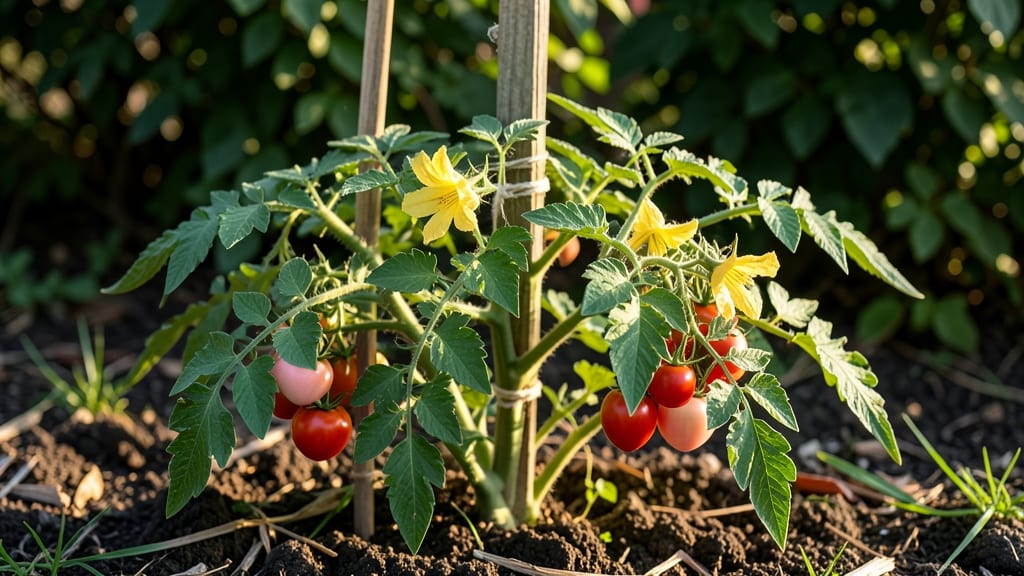
Nothing beats the taste of sun-ripened tomatoes, but standard varieties often wilt under full sun tomato plants in scorching afternoons. After my first garden failed from heat stress, I discovered heat-resistant varieties that thrive when others fade—like 'Solar Fire' and 'Heatmaster'—plus the soil tricks that keep roots cool.
The secret isn’t just shade cloth or water hoses—it’s well-draining soil mixed with compost and a mulch blanket to lock in moisture. Plant deep (bury stems up to the first leaves) so roots stretch into cooler soil, and space plants 18-24 inches apart for airflow.
Most gardeners overwater in heat, but deep, infrequent watering at the base prevents fruit from splitting. You’ll harvest heavier, sweeter tomatoes all season long, even when temps hit 95°F. The plants stay lush and productive, while neighbors’ tomatoes turn mealy.
This method works for containers too—just use 5-gallon pots with extra drainage. Start with these varieties, and you’ll never fear the sun again. Here’s how to set it up right from day one.
📚 In This Guide
- What you need
- Instructions
- Tips and common mistakes
- Wrapping up and next steps
What you need
- ● Heat-resistant tomato seeds or seedlings: Choose varieties like Solar Fire, Heatmaster, or Arkansas Traveler—they’re bred to handle temps up to 95°F (35°C). (3-6 plants per person, depending on yield goals!)
- ● Containers or garden beds: Containers: 5-gallon pots or larger (1 plant per pot) with drainage holes.
- ● Garden beds: Raised beds (6–12" deep) or in-ground plots with loose, well-draining soil.
- ● High-quality potting mix or amended soil: Use a blend of 50% compost, 30% coconut coir, and 20% perlite to retain moisture while allowing airflow.
- ● Slow-release fertilizer: Look for a balanced formula (e.g., 10-10-10 or 5-5-5) with added calcium and magnesium to prevent blossom-end rot.
- ● Mulch: Straw, wood chips, or black plastic mulch to retain soil moisture and regulate temperature.
- ● Hand trowel or transplanting spade (for planting seedlings).
- ● Garden gloves (to protect your hands from thorns and soil).
- ● Watering can or drip irrigation system (deep watering 1–2 times daily in extreme heat).
- ● Pruning shears (for removing suckers and dead leaves).
- ● Stakes or cages (5–6 ft tall to support vining varieties).
- ● pH test kit (ideal soil pH: 6.0–6.8).
- ● Shade cloth (30–50%) for seedlings or young plants during peak afternoon sun.
- ● Reflective mulch (e.g., aluminum foil) to deter pests and cool roots.
- ● Liquid seaweed extract (spray on leaves to boost heat tolerance).
- ● Thermometer (to monitor soil and air temps—keep soil below 90°F (32°C)).
Step-by-Step guide to growing heat-resistant tomatoes in full sun
Here's how to select and cultivate sun-loving tomato varieties that thrive under intense heat.
Choose the Right Heat-Resistant Varieties
Select tomato cultivars specifically bred for heat tolerance, such as 'Solar Fire,' 'Heatmaster,' or 'Arkansas Traveler.' These varieties maintain productivity in temperatures above 85°F, whereas standard tomatoes often set fewer fruits when stressed by heat. Look for descriptions mentioning "heat-tolerant" or "disease-resistant" traits—these are key indicators of varieties that will perform well in your climate.
Purchase seeds or transplants from reputable suppliers that specialize in heat-resistant plants. Avoid older heirloom varieties unless they're explicitly labeled for hot climates, as many struggle to set fruit when daytime temperatures exceed 80°F. Start with 4 plants to ensure a steady harvest, spacing them 24-36 inches apart to allow for airflow and reduce disease risk.
Prepare the Planting Site for Full Sun Exposure
Tomatoes need 6-8 hours of direct sunlight daily, but in hot climates, they also require protection from afternoon sun, which can scorch leaves. Choose a location that receives morning sun and partial afternoon shade, especially if your area experiences temperatures above 90°F. Amend the soil with 2-3 inches of compost to improve moisture retention and nutrient availability, as heat-stressed plants need extra support.
Install a shade cloth (30-50% coverage) over the plants during peak afternoon heat if your region frequently exceeds 95°F. This prevents leaf burn while still allowing sufficient light for fruit production. Mulch the soil with straw or black plastic to maintain even soil temperatures and reduce water evaporation. Avoid organic mulches like grass clippings, which can attract pests and diseases in hot, humid conditions.
Plant and Stake for Stability in Wind and Heat
Plant tomatoes deeply, burying one-third of the stem to encourage strong root development. This helps the plant establish a deeper root system, which is crucial for accessing water in hot, dry conditions. Use sturdy bamboo stakes or cages to support the plants, as heat and wind can weaken stems. Secure the main stem to the stake with soft ties to prevent damage from strong gusts.
Water the soil deeply before planting to help roots settle into the ground. Avoid wetting the foliage, as this can lead to fungal diseases like early blight, which thrive in hot, humid environments. Instead, water at the base of the plant early in the morning to allow foliage to dry completely before temperatures rise. This practice reduces stress on the plant and promotes healthier growth.
Monitor Watering and Fertilization for Heat Stress
Heat-resistant tomatoes still require consistent moisture, but overwatering can lead to root rot in hot conditions. Water deeply 2-3 times per week instead of daily shallow waterings, ensuring the soil remains 1-2 inches moist but not soggy. Use a soaker hose or drip irrigation to deliver water directly to the root zone, minimizing evaporation and reducing the risk of disease.
Fertilize with a balanced, slow-release fertilizer (10-10-10 or 5-5-5) at planting and again when flowers appear. Heat can reduce nutrient uptake, so avoid high-nitrogen fertilizers, which promote leafy growth at the expense of fruit production. Instead, opt for a potassium-rich fertilizer (like 0-0-50) to support fruit development and improve heat tolerance. Stop fertilizing once fruits begin to ripen to prevent late-season foliage growth, which can delay harvests.
Prune and Protect for Continuous Harvests
Prune suckers (the small shoots that grow between the main stem and branches) regularly to improve airflow and reduce heat stress on the plant. Focus on removing leaves that shade the lower stems, as this helps prevent soil-borne diseases. Leave 2-3 main stems per plant to balance growth and fruit production, as too many stems can weaken the plant in hot conditions.
Watch for signs of heat stress, such as yellowing leaves, wilting, or blossom drop. If you notice these symptoms, provide temporary shade and increase watering frequency slightly. Heat-resistant varieties are more tolerant, but extreme conditions can still affect productivity. Harvest fruits as soon as they begin to ripen to encourage continuous production and reduce stress on the plant. This practice also prevents sunscald, where unripe fruit exposed to intense sunlight develops white or gray patches.
Tips & tricks for thriving heat-resistant tomatoes
Took me years of trial and error to master these heat-beating strategies—here's how to give your tomatoes the competitive edge they need in scorching conditions.
Variety Verification: When selecting seeds or transplants, cross-reference the heat tolerance claims with independent reviews. Some suppliers may label varieties as "heat-tolerant" when they're only moderately resistant. I've found that 'Solar Fire' consistently outperforms others above 90°F, while 'Arkansas Traveler' handles humidity better in coastal climates. Always check the maturity date too—faster-maturing varieties often handle heat better than slow growers.
Soil Temperature Strategy: In Step 2, when amending your soil, consider using a soil thermometer to verify temperatures are between 70-85°F before planting. Heat-resistant varieties need warm soil to establish roots quickly, but temperatures above 90°F can actually inhibit germination. If your soil runs hotter, plant in late afternoon when surface temps drop naturally. The 2-3 inches of compost should be worked into the top 6 inches of soil for maximum benefit.
Watering Precision: The 2-3 times weekly watering schedule in Step 4 requires careful timing—morning watering is non-negotiable, but aim for 6-8 AM when temperatures are still moderate. I've seen dramatic improvements by adding 1-2 inches of mulch after watering to lock in moisture. For container-grown tomatoes, increase watering to daily during peak heat (95°F+), as pots dry out much faster than in-ground plantings. The key is maintaining that 1-2 inch moist soil depth without creating soggy conditions.
Fertilizer Timing: When applying that potassium-rich fertilizer in Step 4, split the second application into two smaller doses—give half when flowers appear and the remaining half when fruits begin to form. This staggered approach prevents nutrient burn while supporting both flowering and fruiting stages. I've noticed heat-resistant varieties actually need slightly less fertilizer than standard tomatoes, so start with 75% of the recommended dose and adjust based on plant response.
Pro Tips for Full Sun Tomato Plants
- Took me years of trial and error to master these heat-beating strategies—here's how to give your tomatoes the competitive edge they need in scorching conditions.
- Variety Verification: When selecting seeds or transplants, cross-reference the heat tolerance claims with independent reviews.
- Soil Temperature Strategy: In Step 2, when amending your soil, consider using a soil thermometer to verify temperatures are between 70-85°F before planting.
Frequently asked questions
Got questions about growing full sun tomato plants? You’re not alone!
Here are answers to the most common concerns—from sunlight needs to heat hacks and troubleshooting.
How much sun do tomato plants really need in a day?
Tomatoes thrive in 6–8+ hours of direct sunlight daily. In hot climates, they can handle up to 10–12 hours if shaded during peak afternoon heat (12–4 PM). Varieties like 'Solar Fire' or 'Heatmaster' are bred for full sun—perfect for sunny gardens or containers!
When is the best time to plant tomatoes in full sun?
Plant after the last frost when soil is at least 60°F (15°C). For warm climates, start in early spring (Feb–March). In cooler regions, wait until late April–May. Use black plastic mulch to warm soil faster and retain moisture.
What if my tomatoes get sunburned or sunscald?
Sunburn appears as white/yellow patches or cracked fruit. To prevent it:
- Use shade cloth (30–50%) during 12–4 PM heat.
- Prune leaves near fruit to improve airflow.
- Choose heat-resistant varieties like 'Arkansas Traveler' or 'Better Boy'.
Can I grow tomatoes in full sun without a greenhouse?
Use these tricks:
- Containers: Choose large pots (5+ gallons) with self-watering features.
- Drip irrigation: Keeps roots consistently moist without wetting leaves.
- Morning watering: Lets foliage dry before evening to prevent disease.
Why are my full-sun tomatoes cracking or splitting?
Uneven watering causes cracks (usually vertical). To fix it:
- Water deeply 1–2x weekly (1–1.5 inches total).
- Avoid wetting leaves—water at the base.
- Use mulch to stabilize soil moisture.
Pro Tip:
For extra heat resistance, try trellising indeterminate varieties like 'Solar Fire'. Elevating plants improves airflow, reduces disease, and keeps fruit off hot soil. Plus, it saves space!
Wrapping up and next steps
Growing full sun tomato plants in heat-resistant varieties is a rewarding way to enjoy a bountiful harvest—even in scorching climates! 🌞 With the right preparation, watering strategies, and variety selection, you’ll be well on your way to juicy, flavorful tomatoes that thrive under the sun. Don’t let the heat hold you back—your garden (and taste buds) will thank you!
Ready to take the next step? Start by planting your chosen heat-loving varieties this season and keep an eye on their progress. If you’re new to gardening, consider joining a local gardening group or exploring beginner-friendly resources to deepen your knowledge. Happy growing—your tomato harvest awaits! 🍅✨