
Vegetables
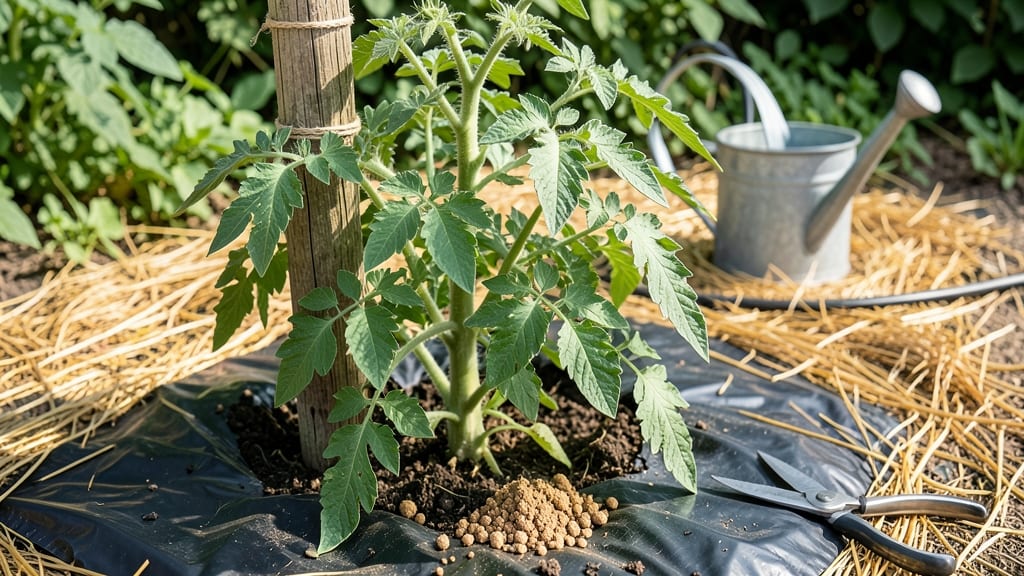
Promoting tomato growth starts with 6+ hours of direct sunlight daily—that’s the non-negotiable secret to plump, flavorful fruit. 🌞 My first garden failed because I assumed "sunny" meant "morning light only," but tomatoes crave afternoon rays too.
Without enough light, plants stretch toward the sky, fruit stays small, and flavors turn bland. The right soil mix makes all the difference: 60% compost, 30% garden soil, and 10% perlite keeps roots happy.
I’ve tried store-bought mixes, but homemade blends add nutrients that boost growth from the first true leaves. Pair that with consistent watering—deep soaks every 2-3 days—never letting the soil dry out completely.
You’ll see the results in 3-4 weeks: stocky stems, glossy leaves, and flowers that turn into fruit faster. Prune suckers regularly (those little shoots between the stem and branches) to redirect energy into bigger harvests. The payoff? Tomatoes so heavy they sag the vines by midsummer.
Works for containers, raised beds, or in-ground gardens—just adjust sunlight access. Let’s get those plants growing!
📚 In This Guide
- What you need
- Instructions
- Tips and common mistakes
- Wrapping up and next steps
What you need
- ● Tomato seeds or seedlings: Choose disease-resistant varieties (e.g., Roma, Cherry, or Beefsteak). Start with 3–5 plants for a small garden or 10+ for larger harvests.
- ● High-quality potting mix: 2–3 bags (50 lbs each) of organic, well-draining soil (e.g., Miracle-Gro or Fox Farm). Mix in 1 part compost for nutrients.
- ● Containers or garden bed: Containers: 5-gallon pots or larger (1 per plant) with drainage holes.
- ● Garden bed: 6+ feet wide × 4+ feet long (tomatoes need space!)
- ● Fertilizer: Balanced fertilizer (10-10-10) – 1 lb per 10 sq ft of garden.
- ● Organic options: Fish emulsion (1 tbsp per gallon of water) or compost tea (weekly feed).
- ● Watering can or hose: 5-gallon capacity for deep watering (avoid overhead sprinklers).
- ● Mulch: 2–3 inches of straw, wood chips, or black plastic mulch (retains moisture + suppresses weeds).
- ● Full sun exposure: 6–8+ hours of direct sunlight daily (south-facing spot is ideal in the Northern Hemisphere).
- ● Support structures: Cages: 6-foot tall tomato cages (1 per plant).
- ● Trellis/stakes: Wooden or metal stakes (6–8 ft) + twine for indeterminate varieties.
- ● Pruning tools: Sharp bypass pruners (for trimming suckers and dead leaves).
- ● Growth boosters: Epsom salt (1 tbsp per gallon of water, monthly) or seaweed extract (spray foliar feed).
- ● Pest control: Neem oil (for aphids/spider mites) or row covers (early-season protection).
- ● pH test kit: Aim for soil pH 6.0–6.8 (tomatoes love slightly acidic soil).
- ● Drip irrigation system: Automates watering (saves time + ensures consistency!).
Step-by-Step instructions for maximizing tomato growth through light
Here's how to turn sunlight into explosive tomato growth—no fancy equipment needed.
☀️ Step 1: Position Plants for Maximum Sun Exposure
Tomatoes thrive in 6-8 hours of direct sunlight daily, with full sun (8+ hours) producing the largest yields. Place plants where they receive morning sun and afternoon light—this prevents leaf scorch from intense midday rays. South-facing windows or garden beds work best, but east or west exposures can work if supplemented with grow lights during cloudy periods.
Watch for leggy growth (thin stems with widely spaced leaves)—this signals insufficient light. If you notice stems stretching toward the sun, move the plant within 12 inches of the light source immediately. I always stake tomatoes at planting time so I can adjust their position without disturbing roots later.
🌿 Step 2: Optimize Canopy Structure for Light Penetration
Prune suckers (the small shoots that form in the leaf axils) to encourage upward growth and better light distribution. Remove any leaves that shade the fruit—focus on keeping the lower canopy open so sunlight reaches developing tomatoes. I prune aggressively on mature plants, removing all leaves below the first flower cluster to eliminate competition for energy.
If your plants are crowded, thin them to 18-24 inches apart in rows spaced 3 feet apart. You'll see a dramatic difference in fruit set within 2-3 weeks—fewer but larger tomatoes will form where light reaches the plant's core. Avoid over-pruning early in the season, though; young plants need their foliage to establish strong roots.
⏰ Step 3: Supplement Light During Cloudy Periods
When natural light drops below 4 hours daily, supplement with a full-spectrum LED grow light positioned 6-12 inches above the plants. Run lights for 12-14 hours daily during cloudy stretches—this maintains photosynthesis and prevents blossom-end rot caused by stressed plants. I use a timer to automate this; tomatoes grow predictably when light cycles stay consistent.
Watch for pale or yellowing leaves—this is your cue to increase light immediately. If you're using natural light, rotate plants quarter-turn weekly so they grow evenly toward the sun. Uneven growth (where one side is darker) means the plant is leaning, and you've missed your rotation window.
💧 Step 4: Manage Water and Nutrients for Light-Driven Growth
Light-hungry tomatoes need 1-1.5 inches of water weekly, delivered at the base to prevent leaf scorch. Water deeply in the morning so foliage dries quickly—wet leaves in afternoon sun invite fungal diseases. I always water at soil level, avoiding overhead sprinklers, especially when plants are flowering or fruiting.
Fertilize with a balanced 10-10-10 or 5-10-10 formula every 2-3 weeks once flowers appear. Too much nitrogen early on produces leafy growth at the expense of fruit, but once blooms form, phosphorus and potassium become critical for setting and ripening tomatoes. You'll know you're on track when new leaves appear dark green and glossy while fruit swells rapidly.
Tips & tricks for maximizing tomato growth through light
These game-changing insights will help you turn sunlight into explosive tomato yields—no green thumb required.
Light Positioning: The 6-8 hours of daily sunlight is non-negotiable for optimal growth. I've found that positioning plants to catch morning sun (when it's cooler) and afternoon light (when it's stronger) prevents leaf scorch while maximizing photosynthesis. For container growers, rotate pots every few days so all sides receive equal light exposure—uneven growth is a dead giveaway you missed this step.
Pruning Strategy: When pruning suckers in Step 2, focus on removing only those growing between the main stem and branches—never cut into the main stem itself. I prune aggressively on mature plants, but leave the first few leaves below the first flower cluster to protect developing fruit from sunburn. The key is balance: too much pruning stresses plants, while too little blocks light from reaching the fruit.
Grow Light Hack: During cloudy periods, position your full-spectrum LED grow light 6-12 inches above the plants and run it for 12-14 hours daily. I've seen dramatic improvements in fruit set when using a timer—consistent light cycles prevent the stress that causes blossom-end rot. Pro tip: Angle the light slightly to avoid creating shadowed areas on one side of the plant, which leads to uneven growth.
Watering Wisdom: The 1-1.5 inches of weekly water is crucial, but timing matters just as much. Water deeply in the morning so foliage dries completely before afternoon heat—this prevents fungal diseases that thrive in damp leaves. I've ruined multiple harvests by watering in the evening, so trust me on this: morning watering is non-negotiable for healthy plants.
Pro Tips for Promote Tomato Growth
- These game-changing insights will help you turn sunlight into explosive tomato yields—no green thumb required.
- Light Positioning: The 6-8 hours of daily sunlight is non-negotiable for optimal growth.
- Pruning Strategy: When pruning suckers in Step 2, focus on removing only those growing between the main stem and branches—never cut into the main stem itself.
Frequently asked questions
Got questions about growing juicy, sun-kissed tomatoes?
You’re not alone! Here are answers to the most common ones—so you can troubleshoot, optimize, and enjoy a bountiful harvest.
How much sunlight do tomatoes really need per day?
Tomatoes thrive with 6–8+ hours of direct sunlight daily. If your garden gets less, opt for determinate varieties (bush types) or use reflective mulch to maximize light. South-facing windows or grow lights (12–16 hrs/day) work for containers. Pro tip: Rotate plants weekly for even sun exposure!
When is the best time to plant tomatoes for maximum growth?
Plant after the last frost when soil hits 55–65°F (13–18°C). For warm climates, start in early spring; cooler zones? Wait until late May–June. Seedlings need 4–6 weeks of warmth before transplanting. Bonus: Harden them off (gradually expose to outdoor conditions) to avoid shock!
Why are my tomato leaves yellowing, and how can I fix it?
Yellow leaves often signal overwatering, nutrient deficiency (nitrogen), or fungal issues. Check soil moisture—tomatoes prefer consistent but not soggy conditions. Boost nitrogen with compost or a balanced fertilizer (10-10-10). For pests/fungus, spray neem oil or prune affected leaves. Preventative tip: Space plants 18–24 inches apart for airflow!
Can I grow tomatoes indoors, and what’s the best setup?
Yes! Use large pots (5+ gallons) with drainage, a south-facing window, or grow lights (LED full-spectrum, 12–16 hrs/day). Dwarf varieties like ‘Tiny Tim’ or ‘Micro Tom’ work best. Keep temps between 65–85°F (18–29°C) and fertilize weekly with tomato-specific nutrients. Watch out: Indoor tomatoes need pollination help—gently shake plants or use a paintbrush!
What’s the ideal temperature range for tomato plants?
Tomatoes love 70–85°F (21–29°C) during the day and 55–60°F (13–16°C) at night. Below 50°F (10°C), growth stalls; above 90°F (32°C), flowers drop. Use shade cloth (30%) in peak summer or mulch to regulate soil temps. Cold-hardy tip: Use row covers early in the season to extend the growing period!
Wrapping up and next steps
Growing juicy, vibrant tomatoes is all about harnessing the power of sunlight, proper care, and a little patience! 🌞 From selecting the right varieties to optimizing your garden’s light exposure and nurturing your plants with smart techniques, you now have the sunlight secrets to boost your harvest.
Remember, consistency is key—whether you’re adjusting stakes, mulching, or monitoring pests, every effort contributes to bigger, healthier tomatoes.
Ready to see your garden thrive? Start today! Grab your gardening tools, pick a sunny spot, and watch your tomato plants flourish. And if you’re eager to dive deeper, explore advanced pruning techniques or organic pest control methods to take your tomato-growing skills to the next level. Happy gardening! 🌱