
Tools
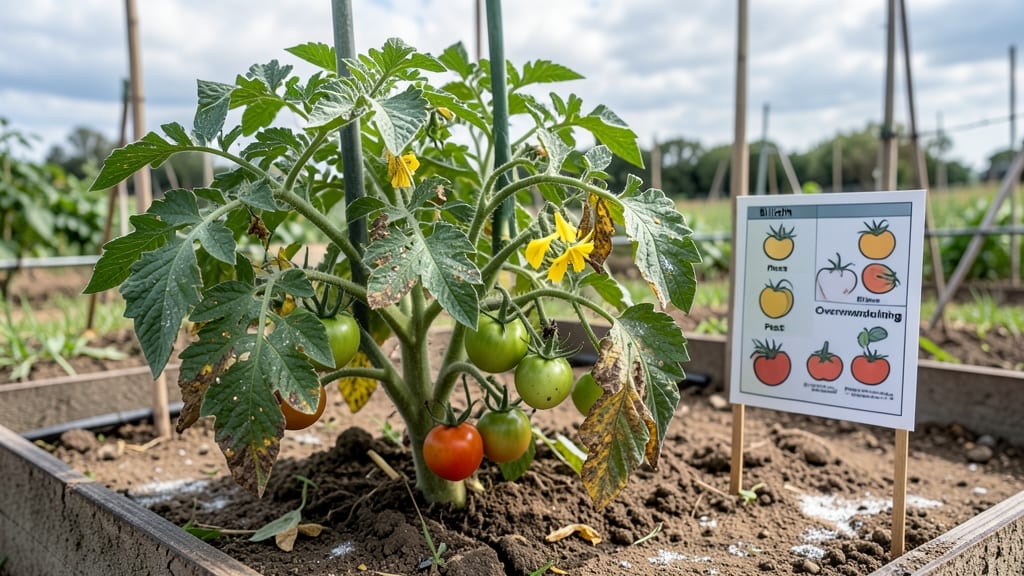
Your tomatoes look great until those ugly brown spots or cracks appear—garden tomato problems strike fast, but they’re fixable. 🌱 I’ve lost entire harvests to blossom end rot and cracked fruit, but now I’ve got the quick fixes that save the season. The culprits?
Often uneven watering, calcium deficiencies, or sudden temperature swings. Most gardeners overlook the simple checks—like soil pH and mulch—that prevent these issues before they start. A quick soil test and consistent watering can turn a failing plant around in days.
You’ll learn to spot early signs, adjust care routines, and even salvage damaged fruit. The best part? These fixes work for both heirloom and hybrid varieties, so no need to stress over your favorite tomato types. Let’s get those plants back on track—no expert tools required, just smart adjustments.
Root Causes Behind Tomato Troubles
Understanding why your garden tomatoes develop issues like blossom end rot or cracks is the first step to prevention. These problems often stem from environmental factors, cultural practices, or plant biology. Let’s break down the science behind the most common culprits:
Tomatoes are thirsty but particular about hydration. Blossom end rot (BER) is primarily triggered by calcium deficiency, which often occurs when watering is inconsistent. Here’s why: - Irregular watering causes fluctuations in soil moisture, disrupting calcium uptake.
Roots struggle to absorb nutrients efficiently when they’re alternately drenched and parched. - Overhead watering (especially in the evening) can lead to fungal diseases or dilute soil nutrients, indirectly stressing the plant. - Poor soil drainage traps excess water, suffocating roots and preventing calcium from reaching the fruit’s blossom end.
Actionable insight: Use drip irrigation or soaker hoses to deliver water directly to the soil, keeping moisture consistent. Mulch with straw or grass clippings to retain even moisture levels.
Tomatoes thrive in warm but not scorching conditions (ideal range: 70–85°F). Deviations from this can lead to: - Heat stress (above 90°F) causes sunscald (white/yellow patches on fruit) or blossom drop (flowers aborting before fruiting).
High temps also reduce calcium availability. - Cold snaps (below 55°F) slow nutrient uptake, weakening the plant’s ability to transport calcium to developing fruit—another BER trigger. - Rapid temperature swings (e.g., hot days + cool nights) stress the plant, leading to cracked tomatoes as fruit grows unevenly.
Actionable insight: Provide shade cloth during heatwaves and row covers for early/late-season protection. Plant in well-drained, fertile soil to buffer temperature shocks.
Tomatoes need a balanced diet of nitrogen (N), phosphorus (P), potassium (K), and calcium (Ca). Problems arise when: - Low calcium levels (common in sandy or acidic soils) prevent cell wall formation, leading to BER.
Calcium is also leached away by excessive nitrogen or overwatering. - Too much nitrogen (from fresh manure or over-fertilizing) promotes leafy growth at the expense of fruit development, making plants vulnerable to cracks and diseases. - Poor soil structure (compacted or waterlogged) restricts root growth, limiting nutrient absorption.
Actionable insight:
- Test your soil (pH should be 6.0–6.8; add lime if calcium is lacking).
- Use a balanced fertilizer (e.g., 5-10-10) and side-dress with compost mid-season.
- Avoid high-nitrogen amendments like fresh manure near flowering/fruiting stages.
While not always obvious, pests and pathogens can weaken tomatoes, making them prone to secondary issues like cracks or rot:
- Aphids, spider mites, or whiteflies sap plant vigor, reducing nutrient transport.
- Fungal diseases (e.g., early blight) create stress points where fruit may split or rot.
- Root-knot nematodes damage roots, limiting water and nutrient uptake, indirectly causing BER.
Actionable insight:
- Inspect leaves weekly for pests; use neem oil or soapy water sprays for mild infestations.
- Rotate crops annually to prevent soil-borne disease buildup.
- Prune lower leaves to improve airflow and reduce humidity (which fuels fungi).
Not all tomatoes are created equal! Heirloom and beefsteak varieties are more prone to cracking due to:
- Thicker skins that struggle to expand as fruit grows rapidly in warm weather.
- Genetic predisposition to uneven water uptake, leading to splits.
- Large fruit size, which requires more calcium than smaller varieties (e.g., cherry tomatoes).
Actionable insight:
- Choose disease-resistant hybrids (e.g., ‘Celebrity’ or ‘Solar Fire’) if you’re prone to issues.
- For heirlooms, harvest early or prune suckers to reduce stress on the plant.
Quick Fixes for Common Tomato Troubles
Now that you know what’s causing those pesky garden tomato problems, let’s roll up our sleeves and get to work! 🍅🔧 With the right tools and a little know-how, you can save your crop and enjoy a bountiful harvest.
Below are practical, step-by-step solutions for each issue—plus tips to keep your tomatoes thriving long-term.
Cause: Calcium deficiency (often due to uneven watering or poor soil conditions). Fix: Act fast—this issue won’t reverse itself, but you can prevent further damage.
1. Prune the Affected Fruit (🔪)
- Use sterilized pruning shears to snip off rotten tomatoes at the stem.
- Why? Removing them saves the plant’s energy for healthy fruit.
2.
Boost Calcium Levels (💡) - Quick fix: Sprinkle crushed eggshells or calcium-rich compost around the base of the plant. - Long-term fix: Mix 1–2 tablespoons of calcium nitrate or gypsum into the soil near the roots (follow package instructions). - Pro tip: Water deeply after applying to help absorption.
3. Water Like a Pro (💧)
- Keep soil consistently moist—never let it dry out completely between waterings.
- Best time to water: Early morning so leaves dry quickly (reduces disease risk).
- Avoid: Overhead watering (use drip irrigation or soaker hoses instead).
4. Mulch to Retain Moisture (🌡️)
- Apply 2–3 inches of organic mulch (straw, grass clippings, or wood chips) to lock in moisture and regulate soil temperature.
Cause: Rapid fluctuations in soil moisture (too much water after drought stress). Fix: You can’t un-crack a tomato, but you can minimize future damage and salvage what’s left.
1. Harvest Early (⏰)
- Pick cracked tomatoes as soon as they ripen and use them in sauces, salsas, or salads (they’re still edible!).
- Why? Overripe cracked tomatoes attract pests and rot faster.
2. Adjust Your Watering Routine (💧)
- Water deeply 1–2 times per week (instead of daily shallow watering).
- Best method: Drip irrigation or soaker hoses to deliver water directly to the roots.
- Avoid: Splashing water on leaves (increases disease risk).
3. Choose Crack-Resistant Varieties (🌱)
- If cracking is a recurring issue, try determinate tomato varieties (like ‘Roma’ or ‘Celebrity’)—they’re less prone to cracking than indeterminate types.
4. Protect from Extreme Heat (🔥)
- Shade cloth (30–50%) can help on scorching days.
- Mulch heavily to keep roots cool and moisture stable.
1.
Blight & Fungal Issues (🍄) - Remove infected leaves immediately (don’t compost them—dispose in the trash). - Spray with copper fungicide (early morning) or a baking soda mix (1 tsp baking soda + 1 quart water + a drop of dish soap). - Prevent spread: Space plants 18–24 inches apart for airflow.
2.
Hornworms & Aphids (🐛) - Handpick hornworms (they’re easy to spot—big green caterpillars with white stripes!). - Spray with neem oil or soapy water (1 tbsp mild soap per gallon of water) for aphids. - Encourage predators: Ladybugs and lacewings love to munch on pests—plant marigolds or basil nearby to attract them.
3. Root Rot (💦)
- Improve drainage by amending soil with compost or perlite.
- Avoid overwatering—let the top inch of soil dry out between waterings.
- Transplant if needed to a spot with well-draining soil.
| Problem | Prevent It With… |
|---|---|
| Blossom End Rot | Consistent watering + calcium supplements |
| Cracked Tomatoes | Mulch + drip irrigation |
| Blight | Crop rotation + fungicide sprays |
| Pests | Companion planting + regular inspections |
| Poor Soil Health | Compost + balanced fertilizer (low nitrogen) |
💡 Pro Tip: Keep a garden journal to track what works (and what doesn’t) each season. Note watering schedules, soil amendments, and pest outbreaks so you can adjust strategies year after year.
With these fixes, your tomato plants will bounce back stronger—and you’ll be well on your way to a harvest of plump, disease-free tomatoes! 🍅🌿 Now go enjoy that homegrown goodness (or share it with neighbors—they’ll thank you!).
Frequently asked questions
Why do my tomatoes get brown spots near the blossom end?
This is classic blossom end rot, caused by calcium deficiency from inconsistent watering or poor soil drainage. The plant can't transport calcium to developing fruit when soil moisture fluctuates. Fix it by adding crushed eggshells or calcium supplements, and water deeply 1–2 times per week using drip irrigation.
Can I still eat tomatoes that have cracked?
Yes! Cracked tomatoes are safe to eat—just use them in sauces, salsas, or salads before they attract pests. The cracking happens when soil moisture swings wildly (too much water after drought stress). Prevent it by mulching heavily and watering consistently at the roots.
What's the fastest way to fix yellow leaves on tomato plants?
Yellow leaves usually mean overwatering, nutrient deficiency, or pests. First, check soil moisture—let the top inch dry between waterings. If leaves are curled or sticky, spray with neem oil for aphids. For nitrogen deficiency, side-dress with compost or a balanced fertilizer (5-10-10).
How do I know if my tomato plants need more sun?
Tomatoes need 6–8 hours of direct sunlight daily. If leaves are pale green or stems get leggy, they're not getting enough light. Move plants to a sunnier spot or add a reflective surface (like white plastic) nearby to bounce light back. Varieties like 'Solar Fire' tolerate partial shade better.
Can I save a tomato plant with early blight?
Yes, but act fast! Remove all infected leaves (don't compost them) and spray with a copper fungicide or baking soda mix (1 tsp baking soda + 1 quart water). Improve airflow by pruning lower leaves and spacing plants 18–24 inches apart. For next season, rotate crops and choose resistant varieties like 'Mountain Merit'.