
Companion Plants
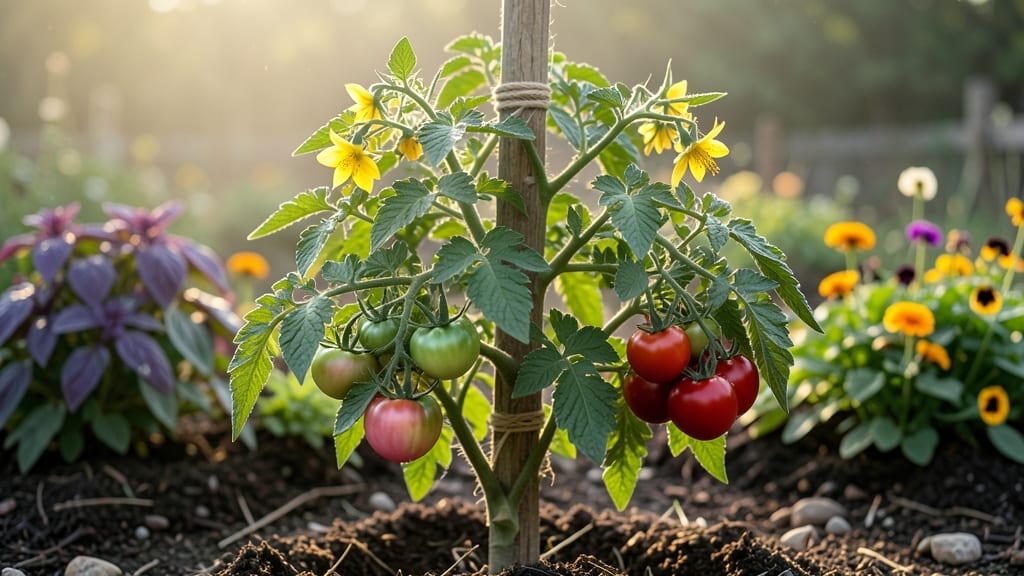
German Johnson tomato plants deliver juicy, heat-loving tomatoes that outperform most varieties in hot climates. 🌞 I've grown them for years in my Zone 9 garden, and they keep producing even when other plants wilt—here's how to get the same results.
You'll need a 5-gallon container or 18-inch-deep soil, full sun (6+ hours daily), and consistent moisture. The secret? Planting deep so extra stems develop roots, and using mulch to keep soil cool. These tomatoes thrive in heat but need protection from late-season rains that spread disease.
By summer's end, you'll be harvesting 1-pound fruits that taste sweeter than store-bought. The plants stay productive until frost, and their thick skins resist cracking in extreme heat. Prune suckers regularly to focus energy on fruit production. Works for containers, raised beds, or in-ground gardens.
Here's how to set yours up for success!
📚 In This Guide
- What you need
- Instructions
- Tips and common mistakes
- Wrapping up and next steps
What you need
- ● German Johnson tomato seeds or seedlings: 3–5 plants (for a small garden) or 6+ (for larger harvests). Choose heirloom seeds for authenticity.
- ● Containers or garden beds: For containers: 5-gallon pots (minimum) with drainage holes (1–2 plants per pot).
- ● For in-ground planting: 6–8 inches of loose, well-draining soil with full sun exposure (6+ hours/day).
- ● High-quality potting mix or compost: 50% compost + 50% garden soil (or a tomato-specific mix for containers).
- ● Fertilizer: Balanced fertilizer (10-10-10) at planting (1 tbsp per plant).
- ● Tomato-specific fertilizer (high in potassium, e.g., 5-10-10) during fruiting (every 2–3 weeks).
- ● Support system: Stakes (6–8 feet tall) OR
- ● Cages (5–6 feet diameter) OR
- ● Trellis (for vertical gardens).
- ● Mulch: 2–3 inches of straw or shredded leaves to retain moisture and regulate soil temperature.
- ● Gloves and pruning shears (for harvesting and maintenance).
- ● Watering can or drip irrigation system (German Johnsons need 1–2 inches of water weekly, especially in heat!).
- ● Shade cloth (30–50%) for seedlings or extreme heat protection.
- ● Epsom salt (1 tbsp per plant, monthly) to boost magnesium and prevent blossom-end rot.
- ● Companion plants: Basil, marigolds, or borage to deter pests and improve growth!
Step-by-step guide to growing German Johnson tomato plants
This heat-tolerant variety thrives in summer's peak—here's how to coax its legendary fruitfulness.
🌱 Step 1: Start Seeds Indoors 6-8 Weeks Before Last Frost
Fill 4-inch seedling pots with sterile seed-starting mix (never garden soil) and moisten until damp but not soggy. German Johnsons germinate best at 75-85°F, so place pots on a seedling heat mat or in a warm spot like on top of the fridge. Sow seeds ¼ inch deep, two per pot, and cover lightly with additional mix.
Mist the surface with a spray bottle to prevent disturbing seeds, then cover pots with clear plastic wrap to retain moisture. Check daily for condensation—remove the wrap immediately once you see first sprouts breaking through (usually 7-10 days). This variety's thick skin means seeds need consistent warmth to break dormancy.
☀️ Step 2: Provide Strong Light and Prevent Legginess
As soon as seedlings emerge, move them under 14-16 hours of grow light daily. German Johnsons despise weak stems—if you notice seedlings stretching toward the light with pale, sparse leaves, your light source is too far away. Position a full-spectrum LED grow light just 2-3 inches above the tallest seedling and raise it weekly as plants grow.
Rotate pots quarter-turn daily to prevent leaning. Strong seedlings will have thick stems, dark green leaves, and compact spacing between nodes. If you're using a sunny windowsill, supplement with a grow light—German Johnsons need more light than most varieties to develop their signature heat resistance.
🪴 Step 3: Harden Off and Transplant After All Danger of Frost
Two weeks before your last frost date, begin hardening off by placing seedlings outside in partial shade for 1-2 hours daily. Gradually increase exposure over 10-14 days, ending with full sun. German Johnsons handle heat well but young plants still need acclimation—transplanting too soon results in wilting and slow recovery.
Choose a full-sun location with well-draining soil (amend heavy clay with 2 inches of compost). Space plants 24-36 inches apart—this variety grows large and needs room for strong root development. Bury stems deeper than the original pot to encourage additional root growth, which helps with drought tolerance.
💧 Step 4: Water Deeply and Mulch to Retain Heat Resistance
Water deeply at the base (1-2 gallons per plant) every 2-3 days during dry spells, but never let soil stay soggy. German Johnsons develop thick skins when stressed by inconsistent moisture—this is normal, but don't let plants wilt completely before watering. The key is deep, infrequent watering to encourage deep root growth.
Apply 2-3 inches of mulch (straw or shredded leaves work best) around each plant to retain soil moisture and regulate temperature. This variety thrives in heat but hates root stress—mulch prevents soil from drying out quickly and keeps roots cool. Watch for first flowers (usually 60-70 days after transplanting)—they'll appear in clusters at the stem junctions.
✂️ Step 5: Prune Strategically for Maximum Fruit Production
German Johnsons benefit from selective pruning—remove suckers (the small shoots that form in the leaf axils) but leave the first few flowers to set fruit early. This variety produces large, beefsteak-style tomatoes, so focus pruning energy on removing crowded branches that compete for sunlight. Use clean, sharp pruners and cut at a 45-degree angle just above a leaf node.
Once plants reach 4-5 feet tall, stop pruning new growth—German Johnsons need strong vertical structure to support their heavy fruit. If you notice yellowing lower leaves, it's normal aging, but if new leaves yellow, check for blossom end rot (a calcium deficiency) and side-dress with crushed eggshells or lime. Harvest when tomatoes are fully colored and slightly soft to touch—they won't ripen further off the vine.
Tips & tricks for growing German Johnson tomato plants
Here's what nobody tells you about growing these legendary tomatoes—details that make all the difference.
Seedling Heat Secret: German Johnson seeds need that 75-85°F warmth to germinate, but don't rely solely on your heat mat. Place pots on top of the fridge or near a sunny south-facing window during the day—just move them away from direct heat at night. I've seen germination rates drop dramatically when nighttime temperatures dip below 65°F, even with a heat mat. The thick seed coats resist breaking dormancy without consistent warmth.
Light Position Technique: When positioning that full-spectrum LED grow light for 14-16 hours daily, start with it 2 inches above the tallest seedling and raise it just ½ inch weekly. The goal is to keep leaves just touching the light—if they're constantly brushing it, you're too close. I learned this the hard way when my seedlings developed crispy leaf edges from being too near the light source. Rotate pots every 12 hours (not daily) to prevent leaning while still getting even light exposure.
Transplanting Depth Hack: Burying stems deeper than the original pot works wonders for German Johnsons, but there's a trick: make a small trench around the stem before placing the plant, then backfill with soil. This creates a natural root collar that encourages additional root growth without causing stress. The deeper you bury (up to ⅓ of the stem), the more drought-tolerant your plant will become—a critical advantage for this heat-loving variety.
Pruning Visual Cue: When pruning suckers in Step 5, look for the 45-degree angle cut just above a leaf node—but here's the pro move: use a magnifying glass to identify the tiny leaf buds hidden in the axils. These are the future suckers. Removing them early gives your plant more energy to focus on fruit production. I also keep a small spray bottle of water handy to mist fresh cuts—this prevents disease entry points and helps the plant recover faster.
Pro Tips for German Johnson Tomato Plants
- Here's what nobody tells you about growing these legendary tomatoes—details that make all the difference.
- Seedling Heat Secret: German Johnson seeds need that 75-85°F warmth to germinate, but don't rely solely on your heat mat.
- Light Position Technique: When positioning that full-spectrum LED grow light for 14-16 hours daily, start with it 2 inches above the tallest seedling and raise it just ½ inch weekly.
Frequently asked questions
Got questions about growing German Johnson tomato plants?
You’re not alone! Here are answers to the most common queries to help you cultivate a thriving harvest with confidence.
How long does it take for German Johnson tomato plants to bear fruit?
German Johnson tomatoes typically take 70–85 days from transplanting to harvest, depending on your climate and growing conditions. In warm regions, you might see fruit as early as 60 days if planted early. Patience pays off—these heat-loving plants reward persistence with juicy, flavorful rewards!
Can German Johnson tomatoes survive frost or cold snaps?
Nope! German Johnson tomatoes are not frost-tolerant—they thrive in temperatures between 70–90°F (21–32°C). If frost is forecast, cover young plants with frost cloth or move pots indoors. For cooler climates, start seeds indoors 6–8 weeks before the last frost and transplant after all danger of frost has passed.
What are the best companion plants for German Johnson tomatoes?
Pair German Johnson tomatoes with basil, marigolds, onions, or lettuce to deter pests and boost growth. Avoid planting near corn, fennel, or cabbage, as they can stunt tomato development. A 3-foot radius of companion plants creates an ideal ecosystem for your tomatoes to flourish!
Why are my German Johnson tomato leaves turning yellow or curling?
Yellowing or curling leaves often signal overwatering, underwatering, or pests like aphids or spider mites. Check soil moisture (it should be damp but not soggy) and inspect undersides of leaves for pests. If needed, prune affected foliage and apply neem oil or insecticidal soap. Heat stress can also cause wilting—provide afternoon shade in extreme heat.
Are German Johnson tomatoes good for canning or sauces?
These tomatoes are meaty and flavorful, making them perfect for canning, sauces, and salsas. Their thick walls hold up well during cooking, and their sweet-tangy taste shines in homemade pasta sauces or sun-dried tomatoes. Harvest when fully red for the best results!
Wrapping up and next steps
Growing German Johnson tomato plants is a rewarding journey that brings heat-resistant, flavorful harvests to your table—even in tough climates! 🌱 With the right soil, spacing, and care (like pruning and companion planting), you’ll enjoy juicy, disease-resistant tomatoes all season long.
Whether you’re a beginner or a seasoned gardener, these tips will help you maximize your yield and savor homegrown success.
Ready to take the next step? Start by planting your seeds or seedlings this spring and watch your garden thrive! For extra guidance, explore companion planting pairings or join local gardening groups to share tips and celebrate your harvest together. 🎉