
Companion Plants
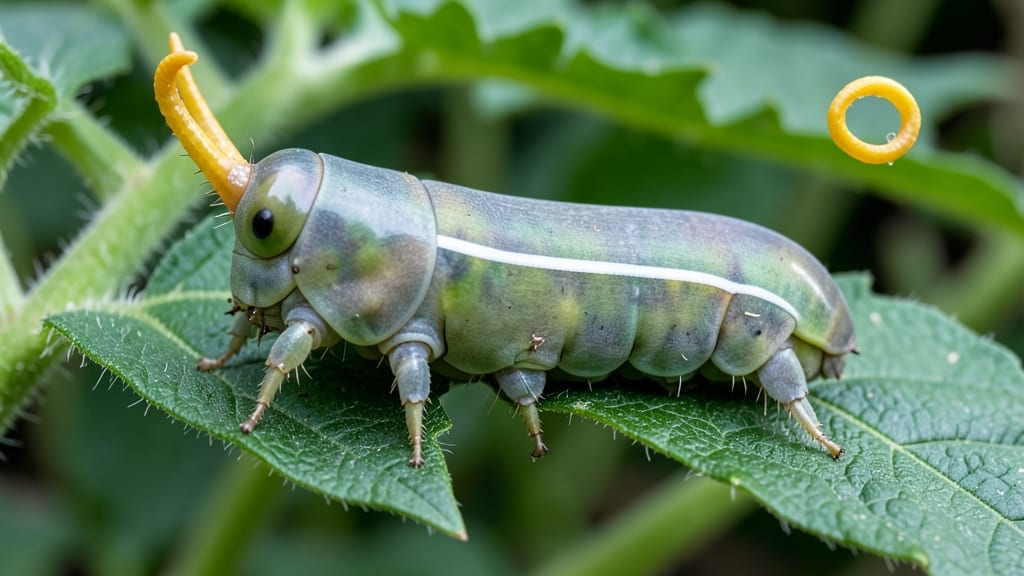
Spotting a giant caterpillar on your tomato plant isn’t always a disaster—it could be a hornworm, and that’s actually good news. 🌱 These striped munchers might look alarming, but they’re nature’s pest control, devouring aphids and other tomato troublemakers before they ruin your harvest.
The key is identifying whether it’s a hornworm (green with white stripes) or a tomato fruitworm (green with black spots). Hornworms are beneficial, while fruitworms tunnel into your tomatoes.
Check the leaves first—if the caterpillar is feasting on pests, leave it be. If it’s chewing your fruit, it’s time to act.
For fruitworms, handpick them into soapy water or introduce parasitic wasps (tiny but mighty allies). Neem oil or BT (Bacillus thuringiensis) sprays work too—both are organic and safe for your plants. A healthy garden ecosystem keeps these caterpillars in check naturally.
Prevention starts with healthy plants—strong tomatoes resist damage better. Rotate crops yearly, remove debris where pests hide, and plant basil or marigolds nearby to deter unwanted visitors. The right balance keeps your tomatoes thriving and the good guys doing their job.
Natural Attraction Factors
If you’ve spotted a giant caterpillar munching away on your tomato plants, don’t panic—it might actually be a good sign! These caterpillars are often the larval stage of beneficial insects, like the tomato hornworm or hawk moth, which play a crucial role in your garden’s ecosystem.
But why do they choose your tomato plants as their all-you-can-eat buffet? Let’s break down the science behind their attraction.
Tomato plants are like an all-you-can-eat salad bar for caterpillars—especially those in the sphingid family (like hornworms). Here’s why:
- Rich in nutrients: Tomato leaves and stems are packed with proteins, sugars, and water—perfect for growing caterpillars. A single hornworm can devour up to 20 leaves in a day!
- Soft and tender: Young tomato foliage is easy to chew, making it an ideal food source for hungry larvae. Older, tougher leaves are less appealing.
- Volatile compounds: Tomato plants release chemical signals (like volatiles) that attract moths to lay eggs. These same compounds guide caterpillars to their next meal.
💡 Pro Tip: If you’re seeing multiple caterpillars, your tomato plants are likely thriving—just be prepared for some leaf damage!
Adult moths (like the five-spotted hawk moth) are picky about where they lay their eggs. They seek out:
- Stress-free plants: Moths avoid plants under stress (drought, disease, or poor soil). A lush, well-watered tomato plant is a magnet for egg-laying.
- Young leaves: New growth emits stronger chemical signals, making it the prime real estate for moths to deposit eggs.
- Scent trails: Some moths follow pheromone trails from other moths or even use moonlight to navigate toward your garden at night.
🌡️ Did You Know? Moths can detect tomato plants from up to 2 miles away using their keen sense of smell!
Caterpillar populations aren’t random—they’re tied to specific conditions:
| Factor | Why It Matters |
|---|---|
| Warm nights (70°F+) | Moths are most active when temperatures rise, increasing egg-laying. Cooler nights? Fewer caterpillars. |
| High humidity | Moist conditions help eggs hatch faster and caterpillars grow quicker. |
| Lack of predators | If birds, parasitic wasps, or lizards aren’t around, caterpillar numbers can explode. |
| Monoculture gardens | Planting only tomatoes makes it easier for moths to find and target your plants. |
✨ Eco-Friendly Hack: Plant basil, dill, or marigolds near tomatoes to distract moths—but remember, these caterpillars are natural pest controllers for other garden bugs!
While a giant caterpillar on your tomato plant might seem alarming, it’s often a sign of a balanced ecosystem. Understanding these triggers helps you decide whether to intervene or let nature take its course—especially if you’re growing tomatoes organically!
Natural Ways to Manage Tomato Pests
Discovering a giant caterpillar munching on your tomato plants might feel alarming, but these fuzzy friends are often harmless—or even helpful! While they can still damage your harvest, there are effective, eco-friendly solutions to keep them in check without harming your garden’s balance.
Below, we’ll map out practical fixes based on the most common causes, from manual removal to encouraging natural predators. Plus, we’ll share prevention tips to keep your tomato plants thriving.
If the caterpillar is large, active, and actively devouring leaves or fruit, physical removal is the fastest solution.
How to do it:
- 👨🍳 Spot the culprit: Inspect your tomato plants early in the morning or late evening when caterpillars are most active. Look under leaves and near stems.
- 🔪 Pick them off: Use gloves (to avoid irritation from hairs or spines) and gently pluck the caterpillar off the plant. Drop it into a bucket of soapy water to ensure it doesn’t wriggle back onto your garden.
- 🌡️ Dispose properly: Avoid crushing them on the plant—this can attract more pests. Instead, flush them down the toilet or toss them far from your garden.
Pro tip: 💡 If you’re squeamish, wear a mask and work quickly! The key is to act before the caterpillar grows larger and causes more damage.
Many giant caterpillars (like tomato hornworms) have natural enemies that can keep their populations in balance. Attract these helpers to your garden with these strategies:
How to attract predators:
- 🐸 Ladybugs & Lacewings: Plant dill, fennel, or yarrow near your tomatoes to lure these voracious insect-eaters. They’ll feast on caterpillar eggs and young larvae before they become a problem.
- 🦋 Parasitic Wasps: Tiny but mighty, these wasps lay eggs inside caterpillars, eventually killing them. Avoid pesticides to keep them around!
- 🐍 Frogs & Toads: Create a puddle or shallow dish of water in your garden to attract these amphibians. They’ll snack on caterpillars and other pests.
- 🐦 Birds: Install a bird feeder or birdhouse near your garden. Birds like chickadees and wrens love munching on caterpillars.
Pro tip: ✨ Avoid broad-spectrum pesticides—they kill both pests and beneficial predators. Opt for neem oil or insecticidal soap (spray in the evening to protect bees).
If manual removal isn’t enough, organic sprays can deter caterpillars without harming your plants or the ecosystem.
Best options:
| Solution | How to Use | When to Apply |
|---|---|---|
| Neem Oil | Mix 1 tsp neem oil + 1 tsp mild soap per quart of water. Spray directly on caterpillars and undersides of leaves. | Evening only (avoids harming bees). Reapply every 5–7 days. |
| Bacillus thuringiensis (Bt) | Sprinkle Bt powder on leaves or mix with water for a spray. Caterpillars ingest it and stop eating. | Early morning or late evening. Safe for humans and pets. |
| Garlic & Chili Spray | Blend 4 garlic cloves + 1 tbsp cayenne pepper + 1 quart water. Strain and spray on plants. | Every 3–4 days until pest-free. |
Pro tip: 🎯 Test sprays on a small leaf first to ensure your plants tolerate the solution. Reapply after rain, as water can wash treatments away.
The best defense is a strong, healthy tomato plant that’s less appealing to caterpillars. Try these proactive strategies:
- 🌱 Plant Companion Flowers:
- Marigolds (repel pests with their strong scent).
- Basil (deters caterpillars and improves tomato flavor).
- Nasturtiums (act as a "trap crop," luring pests away from tomatoes).
- 🍅 Maintain Plant Health:
- Water deeply but infrequently (wet leaves attract pests).
- Prune regularly to improve airflow and reduce hiding spots.
- Use row covers early in the season to block egg-laying moths.
- 🕰️ Monitor & Act Fast:
- Check plants 2–3 times per week for eggs or small larvae.
- Remove fallen leaves (they can harbor eggs).
Pro tip: 🔥 Rotate crops if possible—planting tomatoes in a new spot each year reduces pest buildup in the soil.
Final Thought: A giant caterpillar on your tomato plant doesn’t have to spell disaster—with the right approach, you can minimize damage while supporting your garden’s natural balance.
Start with manual removal, boost beneficial predators, and use organic sprays as needed. Soon, your tomatoes will thrive and your garden will stay in harmony! 🍅✨
Frequently asked questions
Is a giant caterpillar on my tomato plant always harmful?
Not necessarily! Many giant caterpillars, like hornworms, actually help your garden by eating pests such as aphids. Look for white stripes (hornworms) or black spots (fruitworms). If it’s a hornworm, it’s likely beneficial—just monitor its size. If it’s damaging fruit, act quickly.
How do I safely remove a giant caterpillar from my tomato plant?
Use a pair of gloves (some caterpillars have irritating hairs) and gently pick it off the plant. Drop it into a bucket of soapy water to prevent it from returning. Avoid crushing it on the plant—this can attract other pests. Work early in the morning or evening when caterpillars are less active.
What’s the fastest way to prevent caterpillars from returning?
Plant companion plants like basil or marigolds near your tomatoes—their strong scents deter moths from laying eggs. Also, remove any fallen leaves or debris where eggs might hide, and consider using row covers early in the season to block egg-laying moths.
Are there organic sprays that work against giant caterpillars?
Yes! Try neem oil (mix 1 tsp neem oil + 1 tsp mild soap per quart of water) or Bacillus thuringiensis (Bt), a natural bacteria that stops caterpillars from eating. Spray in the evening to protect bees, and reapply after rain. Both are safe for your plants and the environment.
Can I let a giant caterpillar stay if it’s not hurting my tomatoes?
If it’s a hornworm (green with white stripes) and not damaging fruit, you can leave it—it’s eating other pests! However, if it’s a fruitworm (green with black spots) or growing too large, remove it to protect your harvest. Balance is key: let nature help, but don’t let pests take over.