
Plants
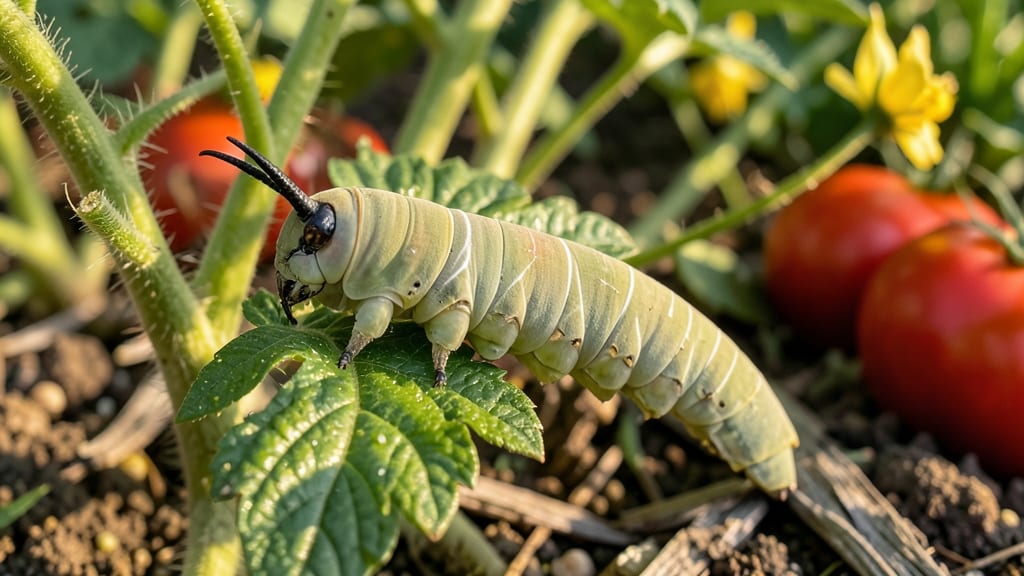
Your tomato plants are being devoured by the bugs that eat tomato plants before you even harvest a single fruit. 🌱 The most common culprits—hornworms, aphids, and Colorado potato beetles—can turn lush vines into skeleton leaves overnight, but there are natural ways to fight back without harsh chemicals.
I’ve battled these pests for years, and the key is early action: handpick the big guys, blast aphids with water, and use neem oil or companion plants like basil to deter them before they multiply. The damage starts small—tiny holes, chewed leaves—but if ignored, it spirals into total loss.
With the right mix of prevention and intervention, you’ll protect your plants and still enjoy a bounty of juicy tomatoes all season. The secret is consistency: check plants daily, act fast, and let nature’s defenses do most of the work.
This works for backyard gardens, containers, and even small urban plots. Let’s save your harvest before the bugs do!
Root Causes Of Tomato Plant Devouring
When your tomato plants become a buffet for hungry pests, it’s rarely just bad luck—it’s usually a mix of environmental, biological, and even human factors working against your garden. Understanding why these critters target your tomatoes is the first step to outsmarting them.
Below, we break down the key triggers that turn your lush plants into a five-star restaurant for insects.
Tomatoes thrive when they have space to breathe, but when plants are crammed together or struggling, they release stress signals that attract pests. Here’s the science:
- Poor air circulation: Dense foliage traps moisture, creating a humid microclimate that hornworms and aphids adore. These pests thrive in damp conditions, where their eggs hatch faster and larvae grow hungrier.
- Nutrient deficiencies: Plants low in nitrogen (a key component of chlorophyll) produce weaker leaves—easy pickings for colorado potato beetles. A quick soil test can reveal if your tomatoes are starving for essential nutrients.
- Root damage: Compacted soil or overwatering suffocates roots, weakening the plant’s defenses. Flea beetles and cutworms zero in on stressed plants because they can’t mount a chemical or physical resistance.
💡 Pro Tip: Space tomato plants 18–24 inches apart and mulch with straw to improve airflow and retain moisture without creating pest paradises.
Your tomatoes aren’t just a food source—they’re a beacon for certain insects. The riper the fruit, the more attractive it becomes:
| Pest | Why They Target Ripe Tomatoes | Science Behind It |
|---|---|---|
| Hornworms | Devour fruit in seconds. | Ripe tomatoes emit volatile organic compounds (VOCs) like hexanal, which hornworms detect from up to 3 feet away. |
| Stink Bugs | Pierce fruit, causing catface deformities. | They’re drawn to the sugary sap released when tomatoes ripen, which signals high-energy food. |
| Fruit Flies | Lay eggs in overripe or damaged fruit. | Ethanol and acetic acid (fermentation byproducts) in rotting tomatoes trigger their mating and oviposition instincts. |
🎯 Action Step: Harvest tomatoes as soon as they reach peak ripeness (or use green tomato cages to delay ripening in high-pest areas). Remove fallen or damaged fruit immediately—it’s a pest buffet.
Pests don’t just appear—they multiply in chaotic gardens. Here’s how clutter and debris turn your yard into a breeding ground:
- Debris and weeds: Leaves, stems, and weeds harbor aphid colonies and whitefly pupae. A single weed patch can release 10,000+ aphids per season.
- Old plant matter: Pruned tomato stems left on the ground become homes for cutworms and slugs. These pests use organic material to camouflage and hide during the day.
- Unwashed tools: Pruners contaminated with tomato hornworm slime or spider mite webbing can spread pathogens to healthy plants.
✨ Prevention Tip: Maintain a 3-foot "pest-free zone" around tomato plants. Remove weeds, rake up debris, and sanitize tools with a 10% bleach solution (1 part bleach to 9 parts water).
Pests don’t attack randomly—they time their invasions based on temperature, humidity, and seasonal cues. Here’s how climate plays a role:
- Warm springs: Early warmth speeds up aphid and cucumber beetle reproduction. Aphids can double their population in just 7 days at 70°F (21°C).
- High humidity: Whiteflies and fungus gnats thrive in 70%+ humidity, as it slows their natural predators (like ladybugs) and keeps their eggs moist.
- Drought stress: Dry soil forces plants to close stomata (pores), reducing their ability to release defensive compounds. Flea beetles exploit this by targeting weakened plants.
🌡️ Climate Hack: Use shade cloth in peak summer to reduce heat stress, and drip irrigation to keep soil moisture consistent (but not soggy). This disrupts pest breeding cycles.
Natural Ways to Protect Your Tomatoes
Pests can turn your lush tomato plants into a buffet, but the good news is you don’t need harsh chemicals to fight back. With the right strategies, you can keep your plants thriving while keeping those hungry bugs at bay.
Below are targeted solutions for the most common tomato plant pests, along with prevention tips to stop future invasions.
Signs: Large green caterpillars with white stripes, half-eaten leaves, and droppings.
How to Fix It: 🔥 Handpick & Remove – Scout your plants in the morning (hornworms are sluggish then) and drop them into soapy water. Check the undersides of leaves—they love to hide there!
🍳 Introduce Beneficial Predators – Ladybugs, lacewings, and parasitic wasps (like Cotesia congregata) feast on hornworms. Buy them online or attract them with dill, fennel, or marigolds planted nearby.
👨🍳 Neem Oil Spray – Mix 1 tsp neem oil + 1 tsp mild soap + 1 quart water, spray on leaves (especially undersides), and reapply every 5–7 days. This disrupts their feeding and growth.
⏰ Prevention Tip: Rotate crops—don’t plant tomatoes in the same spot yearly. Hornworms overwinter in the soil!
Signs: Tiny green/black clusters on stems and leaves, sticky residue ("honeydew"), and curled or yellowing leaves.
How to Fix It: 🔥 Blast Them Off – Use a strong stream of water from a hose to knock them off plants. Do this in the early morning for best results.
🍳 Homemade Soap Spray – Mix 1 tbsp castile soap + 1 quart water, spray directly on aphids. Reapply every 2–3 days until gone.
👨🍳 Encourage Predators – Ladybugs, lacewings, and parasitic wasps love aphids. Plant garlic, chives, or basil to attract them.
🌡️ Prevention Tip: Avoid over-fertilizing with nitrogen—aphids thrive on soft, fast-growing plants. Use balanced fertilizer (10-10-10) instead.
Signs: Tiny white moth-like insects fluttering when you disturb plants, sticky honeydew, and yellowing leaves.
How to Fix It: 🔥 Yellow Sticky Traps – Hang yellow cards coated in petroleum jelly near plants to trap adults.
🍳 Neem Oil or Insecticidal Soap – Spray neem oil (1 tbsp per quart of water + soap) on both sides of leaves every 5–7 days. Whiteflies hide under leaves!
👨🍳 Reflective Mulch – Cover the soil with aluminum foil or reflective mulch—whiteflies are confused by the light and avoid laying eggs.
🎯 Prevention Tip: Inspect new plants before bringing them home—whiteflies spread quickly!
Signs: Bright orange/red beetles or striped larvae chewing leaves into lace-like patterns.
How to Fix It: 🔥 Handpick Adults & Larvae – Drop them into soapy water (they’re fast but slow in the morning).
🍳 Diatomaceous Earth (DE) – Sprinkle food-grade DE around the base of plants. It’s non-toxic but deadly to beetles by dehydrating them.
👨🍳 Row Covers – Use floating row covers early in the season to block beetles from reaching plants.
💡 Prevention Tip: Plant trap crops like potatoes or eggplants far from tomatoes to lure beetles away.
Signs: Irregular holes in leaves, silvery slime trails, and missing fruit.
How to Fix It: 🔥 Beer Traps – Bury a shallow dish filled with beer near plants. Slugs crawl in and drown.
🍳 Copper Barrier – Wrap copper tape around pots or raised beds—slugs get a mild electric shock when they touch it.
👨🍳 Eggshells or Coffee Grounds – Crush eggshells or used coffee grounds around plants—they create a sharp, unpleasant barrier.
✨ Prevention Tip: Water in the morning (not at night) to reduce humidity, which slugs love.
- Rotate crops every year to disrupt pest life cycles.
- Plant companion plants like basil, marigolds, or nasturtiums to repel pests naturally.
- Keep your garden clean—remove fallen leaves and debris where pests hide.
- Encourage biodiversity—birds, frogs, and beneficial insects are your best allies!
By acting fast and using natural, non-toxic methods, you can protect your tomato plants without harming the environment—or your future harvest. 🍅💪
Frequently asked questions
What are the most destructive bugs that attack tomato plants?
The worst offenders are hornworms (giant green caterpillars), aphids (tiny green/black clusters), colorado potato beetles (orange/red beetles), and whiteflies (tiny white moths). These pests can defoliate plants in days if left unchecked.
How do I tell if my tomato plants have pests?
Look for chewed leaves, sticky residue (honeydew), tiny holes, or silvery slime trails. Check leaf undersides and stems—many pests hide there. Early signs include yellowing leaves or wilting, even with proper watering.
Can I use homemade sprays to kill tomato plant pests?
Yes! Mix 1 tbsp neem oil + 1 tsp mild soap + 1 quart water for a broad-spectrum spray. For aphids, try 1 tbsp castile soap + 1 quart water. Always test sprays on a small leaf first and reapply every 3–7 days for best results.
Will companion planting really keep bugs away from tomatoes?
Plant basil, marigolds, or nasturtiums nearby to repel pests naturally. Basil confuses whiteflies, marigolds deter beetles, and nasturtiums trap aphids. These plants also attract beneficial predators like ladybugs and lacewings.
What should I do if my tomato plants are already heavily damaged?
Prune damaged leaves immediately to stop spread, then focus on reviving the plant with balanced fertilizer (10-10-10) and consistent watering. For severe cases, consider replanting if the season allows, but prioritize prevention next year with crop rotation and row covers.