
Planting
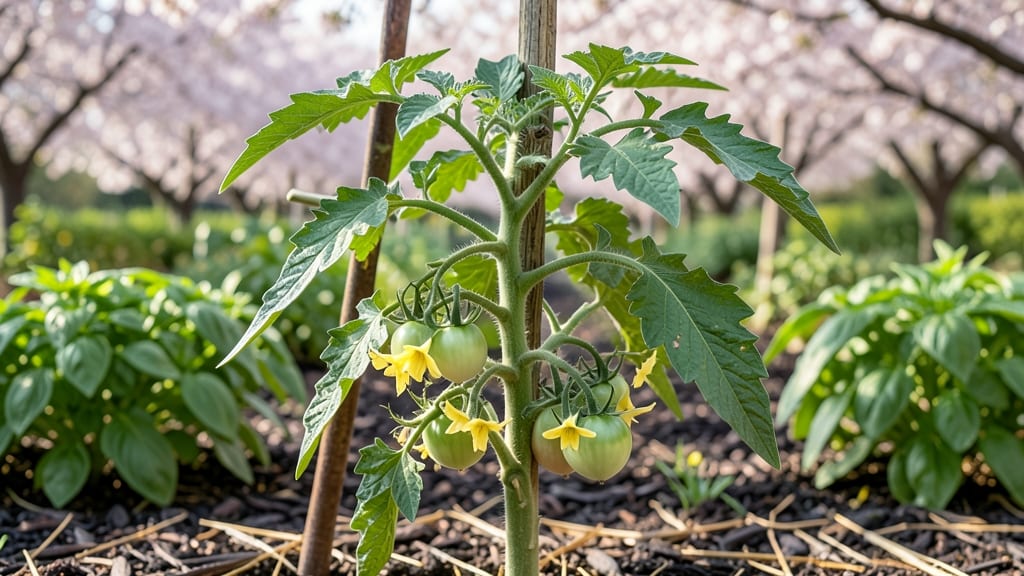
The Glacier tomato plant can handle cooler nights and still deliver sweet, reliable fruit when most tomatoes give up. 🌱 I planted mine last spring after years of struggling with heat-sensitive varieties, and the difference was night-and-day—harvests lasted well into October without wilting or cracking.
This cold-hardy tomato thrives in zones 3-9, making it perfect for early starts or northern climates. It needs full sun (6-8 hours daily) and well-draining soil with plenty of organic matter—think compost mixed into the top 12 inches. The key to its success?
Consistent moisture (1-1.5 inches per week) and a sturdy cage or stake, since the plants grow 4-5 feet tall but stay compact. You’ll taste the payoff in 60-70 days from transplant, with glossy red fruits that stay firm even when overripe. The flavor?
A balanced mix of sweetness and tang—no mealy texture here. Prune suckers regularly to focus energy on fruit production, and watch for early blight by spacing plants 2-3 feet apart.
For extended harvests, succession plant every 2-3 weeks in warm zones, or start seeds indoors 6-8 weeks before last frost. The Glacier’s cold tolerance means you can push your growing season further than ever before!
📚 In This Guide
- What you need
- Instructions
- Tips and common mistakes
- Wrapping up and next steps
What you need
- ● Glacier tomato seeds or seedlings: 3–5 plants (choose disease-resistant varieties for best results).
- ● Containers or garden bed: For containers: 5-gallon pots or larger (minimum 12" deep) with drainage holes.
- ● For garden beds: Well-draining soil, full sun (6–8 hours/day), and space 24–36" apart.
- ○ Potting mix: High-quality, sterile mix (e.g., 60% peat/coir, 20% perlite, 20% compost). Optional: Add 1 cup perlite per 5-gallon container for aeration.
- ● Fertilizer: Balanced fertilizer (10-10-10) at planting.
- ● Slow-release tomato fertilizer (e.g., Osmocote) or organic options like worm castings.
- ● Support system: Cages (5–6 ft tall) or stakes (6 ft bamboo/wooden).
- ● Twine or soft plant ties (for securing vines).
- ● Mulch: Straw or shredded leaves (2–3 inches) to retain moisture and regulate soil temp.
- ● Hand trowel or transplanting spade (for digging holes).
- ● Watering can or hose with gentle nozzle (avoid wetting leaves).
- ● Pruning shears (for removing suckers and dead leaves).
- ● pH testing kit (ideal soil pH: 6.0–6.8 for Glacier tomatoes).
- ● Sunlight access: South-facing window (for seedlings) or outdoor space with full sun.
- ○ Cold-hardiness prep (optional but helpful): Row covers (frost cloth) for early/late seasons.
- ● Black plastic mulch to warm soil faster in cool climates.
Step-by-step guide to growing cold-hardy Glacier tomatoes
Here's how to cultivate this resilient variety for a longer harvest season.
🌱 Step 1: Select the Right Planting Location and Prepare Soil
Glacier tomatoes thrive in cooler climates, but they still need 6-8 hours of direct sun daily. Choose a spot sheltered from late-season winds, as their vines are more delicate than heat-loving varieties. I always test the soil pH first—aim for 6.0-6.8—because Glaciers respond poorly to acidic conditions.
Work in 2-3 inches of compost and a balanced organic fertilizer (like 5-5-5) to give these plants a nutrient boost for their extended growing season. The key here is loose, well-draining soil—Glaciers hate soggy roots. If your native soil is heavy clay, mix in 1 part perlite per 3 parts soil to improve aeration.
☀️ Step 2: Plant at the Correct Depth and Stake Early
Set transplants 18-24 inches apart in rows spaced 3 feet apart to allow for proper air circulation. The trick with Glaciers is planting deeper than you might with other tomatoes—I bury ⅔ of the stem below soil level to encourage stronger root development. This helps them withstand cooler temperatures better.
Install 5-6 foot stakes at planting time (don't wait until vines get heavy). Glaciers produce smaller fruit but heavier vines, so they need sturdy support. I tie the main stem loosely with soft plant ties every 10-12 inches—tightening as they grow. The goal is to guide growth without restricting it.
💧 Step 3: Water Strategically for Cold Tolerance
Glaciers need consistent moisture but hate wet foliage. Water at the base deeply 2-3 times per week (more in extreme heat) until soil is moist 6 inches down. The secret to cold resistance is building strong roots—watering deeply encourages them to grow deeper where temperatures are more stable.
I always water in the morning so foliage dries quickly. Wet leaves overnight invite early blight, which Glaciers are more susceptible to than heat-loving varieties. Mulch with 2-3 inches of straw to retain moisture and protect roots from temperature swings.
✂️ Step 4: Prune for Cold Climate Productivity
Glaciers benefit from moderate pruning—remove suckers (those little shoots in leaf axils) when they're 2-3 inches long. This redirects energy to fruit production rather than excessive foliage. I leave 3-4 main stems for better air flow and sunlight penetration through the plant.
Watch for any yellowing lower leaves—they're normal as the plant matures, but remove them completely. This prevents disease from spreading upward. The goal is to keep the plant's energy focused on the upper canopy where fruit develops.
🌿 Step 5: Harvest and Extend the Season
Glaciers ripen over 70-80 days but continue producing into cooler weather. Pick fruit when it's fully colored (deep red) and slightly soft to the touch. The cold resistance means you can often harvest well past your first frost date—sometimes until hard freezes.
For an even longer season, cover plants with frost blankets on chilly nights. I've had Glaciers produce fruit well into October in Zone 5 with this protection. The key is harvesting regularly—don't let fruit overripe on the vine, as this stresses the plant.
Tips & tricks for growing cold-resistant Glacier tomatoes
These practical insights will help you maximize your Glacier tomato harvest in cooler climates.
Sunlight Optimization: While Glaciers tolerate cooler weather, those 6-8 hours of direct sun are non-negotiable for fruit development. I've found that positioning plants near a south-facing wall or fence can extend sunlight exposure by 1-2 hours in early spring or late fall. For containers, place them on a rolling stand so you can rotate them daily to ensure even sun exposure on all sides.
Soil Preparation Secret: The 6.0-6.8 pH range is critical—test your soil before planting. If your soil is naturally acidic, work in dolomitic lime (1-2 pounds per 100 square feet) 2-3 months before planting to adjust the pH gradually. For clay soils, I mix in 1 part perlite per 3 parts soil to create that ideal loose, well-draining texture Glaciers crave.
Staking Strategy: Install those 5-6 foot stakes at planting time—don't wait until vines get heavy. I use bamboo stakes for their flexibility and tie with soft plant ties every 10-12 inches. Pro tip: Loosen the ties slightly every few weeks as the stems thicken. The goal is to support growth without restricting it, especially important for Glaciers whose vines are more delicate than heat-loving varieties.
Pruning Precision: When removing those 2-3 inch suckers, make clean cuts just above the leaf axil using sharp pruners. I prune on cloudy days or late afternoon to reduce stress on the plant. Leave 3-4 main stems for optimal airflow—this prevents humidity buildup that can lead to early blight, a common issue with Glaciers in cooler, damp climates.
Pro Tips for Glacier Tomato Plant
- These practical insights will help you maximize your Glacier tomato harvest in cooler climates.
- Sunlight Optimization: While Glaciers tolerate cooler weather, those 6-8 hours of direct sun are non-negotiable for fruit development.
- Soil Preparation Secret: The 6.0-6.8 pH range is critical—test your soil before planting.
Frequently asked questions
Got questions about growing Glacier tomatoes?
You’re not alone! Here are answers to the most common queries to help you grow this cold-hardy variety like a pro.
What makes Glacier tomatoes cold-resistant compared to other varieties?
The Glacier tomato is bred to tolerate cooler temperatures, thriving in USDA Zones 3–10. Unlike heat-loving heirlooms, it produces fruit even in 50°F (10°C) nights and resists early blight—ideal for northern climates or spring/fall harvests. Its compact growth also helps protect fruit from frost.
How long does it take for Glacier tomatoes to mature and produce fruit?
Glacier tomatoes typically mature in 70–80 days from transplant, making them a fast producer for short seasons. Start seeds indoors 6–8 weeks before last frost, or buy transplants for a quicker harvest. With proper care, you’ll see fruit as early as mid-summer in most regions!
Can Glacier tomatoes survive a light frost? What if temperatures drop below freezing?
Glacier tomatoes are frost-tolerant but not frost-proof. They can handle 28–32°F (-2 to 0°C) for short periods, but fruit may split or rot. If temps drop below 25°F (-4°C), cover plants with frost cloth or row covers. Remove covers by 10 AM to avoid overheating.
Are Glacier tomatoes good for sauces, slicing, or both? How do they compare to other varieties?
Glacier tomatoes are versatile—great for slicing, sauces, and even fresh eating! Their medium size (4–6 oz) and sweet-tangy flavor make them ideal for sandwiches, salsas, or canning. They’re less meaty than beefsteak varieties but hold up better than cherry tomatoes in cold weather. Perfect for all-purpose use!
What are some troubleshooting tips if my Glacier tomatoes aren’t producing?
If your Glacier plants are flowering but not fruiting, check these fixes:
- Pollination: Gently shake plants or hand-pollinate with a paintbrush (humidity or cool temps can hinder bees).
- Watering: Keep soil consistently moist (not soggy) to prevent blossom-end rot.
- Fertilizer: Switch to a low-nitrogen, high-phosphorus feed (like 5-10-10) to boost flowering.
- Temperature: If nights are below 55°F (13°C), use row covers to warm soil.
Still struggling? Check for pests (like hornworms) or diseases (early blight).
Are there any companion plants that help Glacier tomatoes thrive?
Yes! Plant Glacier tomatoes with:
- Basil (repels pests, improves flavor).
- Marigolds (deter nematodes).
- Carrots or onions (break up soil, deter tomato hornworms).
Avoid planting near brassicas (cabbage family) or corn, as they compete for nutrients. Rotate crops yearly to prevent disease buildup.
Wrapping up and next steps
Growing a Glacier tomato plant is your ticket to a longer, more resilient harvest—even in cooler climates! 🌱 With its cold tolerance and disease resistance, this variety proves that you don’t need a greenhouse to enjoy homegrown tomatoes.
Whether you’re a beginner or a seasoned gardener, planting Glacier tomatoes opens the door to fresh, flavorful yields well beyond traditional growing seasons.
Ready to take the next step? Start by prepping your soil, choosing the right location, and giving your plants the love they deserve. Soon, you’ll be savoring sun-ripened tomatoes straight from your garden—no matter the weather! 🍅✨