
Companion Plants
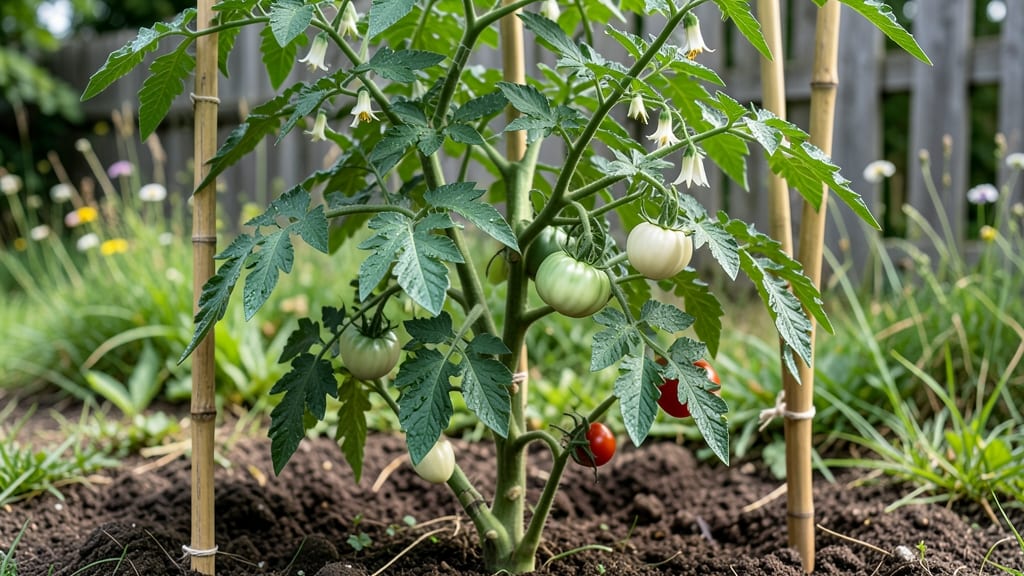
Growing Great White tomato plants means compact harvests without sacrificing flavor or productivity. 🌱 These determinate varieties are my go-to for small spaces—they stay tidy, fruit early, and deliver sweet, creamy tomatoes perfect for slicing or sauce.
Unlike their sprawling cousins, these plants hit their peak in 60-70 days and keep producing until frost, making them ideal for containers or tight garden beds. The secret to their success lies in rich, well-draining soil mixed with compost and a full sun spot (6+ hours daily).
Water consistently at the base—never overhead—to prevent disease, and feed with balanced fertilizer every 3-4 weeks. Pruning isn’t critical, but removing suckers keeps energy focused on fruit instead of foliage. I’ve seen these plants yield 20+ pounds in a single 5-gallon container, proving they’re powerhouses in small packages.
What sets Great White apart is their delicate, almost floral sweetness with just a hint of tang. They thrive in zones 4-10, handling heat better than many heirlooms, though they appreciate afternoon shade in scorching climates.
The first tomatoes appear early, and the plants stay productive until frost—no sad late-season decline like some varieties. For beginners, start with one plant to test your conditions. Advanced gardeners can experiment with caging or trellising to maximize vertical space.
Either way, you’ll end up with a reliable, flavorful harvest that’s hard to beat. Ready to grow yours?
📚 In This Guide
- What you need
- Instructions
- Tips and common mistakes
- Wrapping up and next steps
What you need
- ● Seeds or Seedlings: 3–5 Great White tomato seeds (determinate variety) or 3–5 healthy seedlings from a nursery.
- ● Containers or Garden Bed: For container gardening: 5-gallon pots (1 per plant) with drainage holes.
- ● For in-ground planting: A sunny spot (6–8 hours of sunlight daily) with well-draining soil.
- ● High-Quality Potting Mix: 10–15 lbs of organic, well-aerated mix (e.g., Miracle-Gro Potting Soil or homemade blend: 60% compost, 30% coconut coir, 10% perlite).
- ● Fertilizer: Balanced 10-10-10 fertilizer (1 lb per plant) or organic options like fish emulsion or compost tea.
- ● Slow-release tomato-specific fertilizer (e.g., Espoma Tomato-Tone) for ongoing nutrition.
- ● Support System: 3–4 ft tall cage or stake per plant to prevent sprawling (determinate varieties are compact but still benefit from support!).
- ● Mulch: 2–3 inches of organic mulch (straw or shredded leaves) to retain moisture and suppress weeds.
- ● Gloves (gardening or work gloves to protect your hands).
- ● Trowel or Hand Shovel for transplanting seedlings.
- ● Watering Can or Hose with Adjustable Nozzle (gentle watering prevents soil erosion).
- ● Pruning Shears (for trimming suckers or dead leaves—though determinate varieties need less pruning!).
- ○ pH Test Kit (optional but helpful to ensure soil pH is between 6.0–6.8).
- ● Companion Plants: Basil, marigolds, or onions to deter pests and boost growth.
- ● Drip Irrigation System for consistent moisture (especially in hot climates).
- ● Row Cover or Shade Cloth (30–50% shade) to protect young plants from harsh sun or pests.
- ● Plant Food Booster: Seaweed extract or kelp meal for extra nutrients.
Step-by-step secrets for growing Great White tomato plants
Determinate varieties like Great Whites thrive with precision—here's how to coax their compact, prolific nature.
🌱 Step 1: Select the Perfect Planting Spot
Great Whites need full sun—at least 6-8 hours daily—and rich, well-draining soil with a pH between 6.0-6.8. I always test my soil first; these tomatoes wilt dramatically if roots suffocate in heavy clay. Choose a spot sheltered from strong winds, which can snap their sturdy but not indestructible stems.
If your garden soil is poor, amend with 2-3 inches of compost mixed into the top 12 inches. Work it in gently—don't till deeply, as this disrupts beneficial soil microbes. The goal is loose, fertile earth that holds moisture without becoming soggy. You'll see the difference when seedlings develop strong, dark green leaves instead of pale, leggy growth.
🪴 Step 2: Plant Deep and Stake Early
Great Whites grow compact but heavy with fruit, so I plant them 1/3 deeper than their pots. Dig a hole wide enough to accommodate the root ball, then loosen the sides with your fingers to encourage root spread. The buried stem develops additional roots, giving the plant extra stability and water uptake.
Install a 5-6 foot tall stake or cage at planting time—don't wait until the plant sags. Tie the main stem loosely with soft plant ties every 12 inches as it grows. This prevents stem damage and makes harvesting easier. You'll notice the plant grows straighter and more robust when properly supported from day one.
☀️ Step 3: Master Watering for Disease-Free Fruit
Consistent moisture is key for Great Whites, but never let them sit in wet soil. Water deeply 1-2 times per week until the top 6 inches of soil feels dry. I use a moisture meter to check—these tomatoes hate drought stress, which leads to blossom-end rot. Always water at the base, never overhead, to prevent fungal diseases like early blight.
Mulch with 2-3 inches of straw or shredded leaves to retain moisture and keep soil temperatures steady. You'll see fewer cracked fruits and healthier vines when the roots stay in an ideal 65-75°F zone. Avoid wetting the foliage, especially in the evenings when humidity rises.
✂️ Step 4: Prune for Airflow and Fruit Quality
Great Whites benefit from selective pruning to improve airflow and fruit quality. Remove suckers (the shoots that grow in the leaf axils) when they're 2-3 inches long. I leave 2-3 suckers near the bottom to develop into additional stems, but prune the rest to direct energy to fruit production. You'll notice fewer but larger, sweeter tomatoes when you control the plant's growth.
Pinch off the first flower cluster if the plant looks stressed. This encourages stronger stem development before the main harvest. Once the plant is established, remove any leaves touching the soil to prevent disease. Always use clean, sharp pruners to avoid spreading pathogens.
🍅 Step 5: Harvest at Peak Ripeness
Great Whites ripen all at once, so watch for deep red color and slightly soft texture. I harvest in the morning when fruits are cool and firm. Cut stems with pruners to avoid damaging the plant. You'll get the best flavor when you pick them at exactly this stage—overripe tomatoes lose sweetness quickly.
Store harvested tomatoes at 55-60°F in a single layer to prevent bruising. Great Whites keep well for 1-2 weeks at room temperature but last longer in the fridge. You'll taste the difference when you use them fresh in salads or sauces—their flavor peaks when fully ripe and handled gently.
Tips & tricks for perfect Great White tomato growth
Here's what nobody tells you about growing these compact powerhouses—details that separate a decent harvest from a bumper crop.
Soil Science: The 6.0-6.8 pH range isn't just a number—it's the sweet spot for calcium uptake, which prevents blossom-end rot. Test your soil before planting, and if it's outside this range, amend with 1-2 pounds of lime per 100 square feet for acidic soil or elemental sulfur for alkaline soil. I've seen tomatoes develop rot within weeks when calcium levels were off, even with perfect watering. The key is balancing pH before planting, not trying to fix it later.
Staking Strategy: Those 5-6 foot stakes seem tall, but trust me—they're essential. Great Whites develop top-heavy with fruit, and without proper support, stems snap at the base. I use galvanized steel stakes because they last multiple seasons and won't rust. For extra stability, bury the stake 12 inches deep and fill the hole with a mix of soil and compost before inserting the stake. This creates an anchor system that prevents leaning, especially in windy conditions.
Watering Wisdom: The 1-2 times per week guideline assumes average conditions, but your watering needs change with temperature. When soil temps hit 85°F+, increase to every other day to prevent stress. I check soil moisture by pushing my finger 2 inches deep—if it feels dry, it's time to water. The goal is consistent moisture, not soggy soil. A drip irrigation system set to deliver 1-1.5 gallons per plant per watering works best, as it delivers water directly to the roots without wetting foliage.
Pruning Precision: Those 2-3 inch suckers might seem insignificant, but removing them early directs the plant's energy to fruit production rather than leaf growth. I prune in the morning when the plant is dry—this reduces the risk of disease transmission. For the first flower cluster, I only pinch it off if the plant shows signs of stress (yellowing leaves, stunted growth). Once established, focus on removing leaves touching the soil and any that show signs of disease. This airflow strategy keeps your plants healthier and produces tomatoes with fewer blemishes.
Pro Tips for Great White Tomato Plants
- Here's what nobody tells you about growing these compact powerhouses—details that separate a decent harvest from a bumper crop.
- Soil Science: The 6.0-6.8 pH range isn't just a number—it's the sweet spot for calcium uptake, which prevents blossom-end rot.
- Staking Strategy: Those 5-6 foot stakes seem tall, but trust me—they're essential.
Frequently asked questions
How far apart should I plant Great White tomato plants?
Great White tomatoes are determinate, meaning they stay compact (4–5 ft tall). Space them 2–3 feet apart in rows 3–4 feet apart. This gives them room to breathe while maximizing your harvest. If growing in containers, a 10–15 gallon pot per plant works well!
When is the best time to transplant Great White seedlings outdoors?
Wait until after the last frost and soil temps hit 55°F+ (nighttime lows should stay above 50°F). Harden off seedlings for 7–10 days first—gradually expose them to outdoor conditions to avoid shock. Early morning transplants reduce stress from afternoon sun.
What are the most common pests for Great White tomatoes, and how do I prevent them?
Watch for hornworms, aphids, and whiteflies. Handpick hornworms (they’re huge and easy to spot!) and spray neem oil or soapy water for aphids. Row covers can deter pests early in the season. Great White’s thick skin resists cracking, but prune lower leaves to improve airflow and reduce disease.
Why are my Great White tomatoes turning yellow or blighted?
Yellowing leaves often signal blight (early or late) or nutrient deficiency. Early blight (brown spots) thrives in wet conditions—remove infected leaves and space plants for airflow. Late blight (white mold) spreads fast—prune aggressively and use copper fungicide. For yellowing, check nitrogen levels (add compost or fish emulsion).
Can I grow Great White tomatoes in containers, and what’s the best setup?
Use a large pot (15+ gallons) with drainage holes and well-draining soil. Add a tomato cage or trellis for support—determinate varieties like Great White benefit from vertical growth. Place containers in full sun (6+ hours/day) and fertilize every 2–3 weeks with a balanced tomato feed.
What companion plants pair well with Great White tomatoes?
Great White tomatoes love basil, marigolds, and onions (they repel pests). Avoid planting near brassicas (cabbage family) or corn, which compete for nutrients. Carrots and lettuce grow well underneath their shade, making efficient use of space!
Wrapping up and next steps
Growing Great White tomato plants is a rewarding journey that delivers sweet, compact harvests with minimal fuss—perfect for small spaces or container gardens! 🌱 Whether you’re a seasoned gardener or a beginner, these determinate varieties thrive with the right care, from companion planting to proper pruning.
The key takeaway? Patience and partnership (with the right plants!) unlock flavorful rewards.
Ready to taste the difference? Start by planting your seeds or seedlings this season—and don’t forget to share your bountiful harvest with friends or preserve the excess. Happy gardening! 🍅✨