
Planting
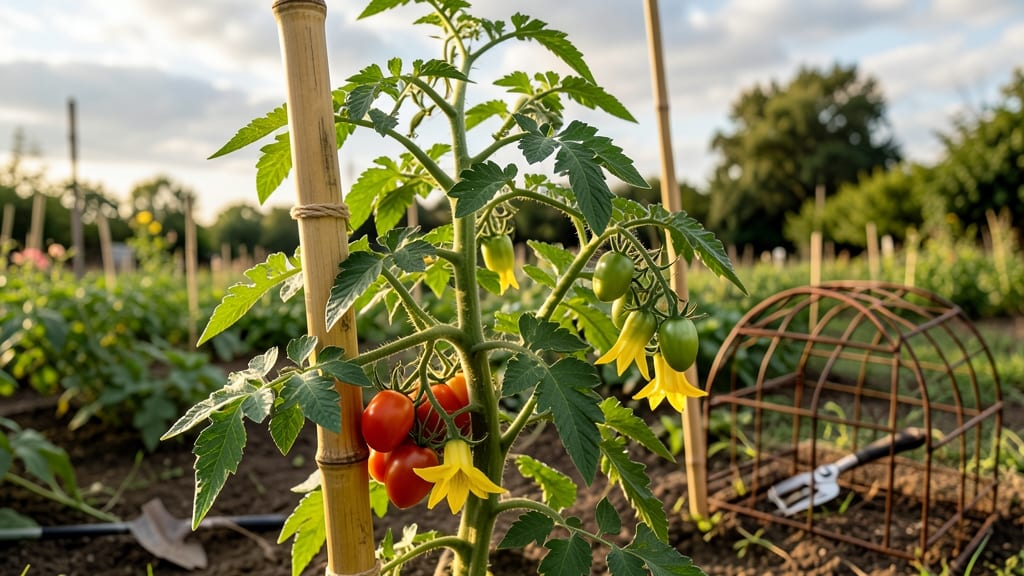
Staking tomato plants transforms floppy vines into productive powerhouses. 🌱 I’ve watched my sprawling plants go from tangled messes to sturdy, high-yielding bushes—just by adding the right support at the right time. The key? Starting early, choosing the right system, and keeping up with growth.
You’ll need just a few supplies: sturdy stakes, soft plant ties, or even repurposed materials like bamboo poles or tomato cages. For indeterminate varieties, a 6-foot tall stake works best, while determinate (bush) types need shorter support.
The goal is to guide the plant upward without restricting airflow or causing damage. Once staked, you’ll see the difference immediately—straighter stems, better air circulation, and fewer diseases. Plus, those heavy tomatoes won’t snap the plant in half when they ripen.
Maintenance is simple: check ties weekly and adjust as the plant grows. This method works for both containers and in-ground gardens, and it’s beginner-friendly once you know the basics. Let’s get those plants standing tall!
📚 In This Guide
- What you need
- Instructions
- Tips and common mistakes
- Wrapping up and next steps
What you need
- ● Stakes or Supports: For bush tomatoes (determinate): 3–4 ft tall bamboo stakes or wooden dowels (1–2 inches in diameter). Use 1 stake per plant.
- ● For vining tomatoes (indeterminate): 6–8 ft tall metal or wooden stakes, tall cages (5–6 ft), or a trellis system. Opt for 2–3 stakes per plant if using individual supports.
- ● Ties or Fasteners: Soft plant ties (fabric or Velcro strips) – 3–5 per plant (avoid wire or plastic that can damage stems).
- ● Twist ties (for quick secures) – 5–10 per plant.
- ○ Garden twine (optional but handy for larger vines) – 1–2 spools.
- ● Gloves (to protect your hands from thorns or rough stems).
- ● Pruning shears (for trimming excess growth if needed).
- ● Tomato cages (pre-made, collapsible for easy storage).
- ● Sturdy wire mesh (for DIY trellises or extra support).
- ● Plant clips (plastic or metal, for gentle securing).
- ● Water-soluble fertilizer (to give your plant a boost after staking).
Step-by-step instructions for staking up a tomato plant
Here’s my go-to method for keeping tomatoes upright—whether you’re working with sprawling vines or compact bushes.
🪴 Step 1: Choose the Right Staking System for Your Variety
Determine your tomato’s growth habit first. Indeterminate vines (like ‘Sungold’ or ‘Brandywine’) need tall, sturdy stakes—think 6-8 feet for heavy producers. Bush varieties (like ‘Roma’ or ‘Celebrity’) only require 3-4 feet of support. I always check the seed packet or plant tag to avoid over- or under-supporting.
For vines, opt for bamboo stakes (2-inch diameter) or metal T-posts—they won’t rot like wooden stakes. For bushes, plastic tree stakes or cage supports work perfectly. Place stakes 2-3 inches from the stem so they don’t damage roots when you tie them later. Drive stakes 6-8 inches deep into the soil for stability, especially in windy areas.
✂️ Step 2: Prune and Position the Plant for Optimal Growth
Before staking, give your tomato a quick pruning to encourage strong upward growth. Pinch off any suckers (those little shoots in the leaf axils) that grow below the first flower cluster—these drain energy from fruiting. Leave suckers above the first cluster if you want bushier plants, but for staked vines, remove them all to direct energy upward.
Position the plant 2-3 inches from the stake so the stem leans slightly against it. This natural contact helps guide growth upward. If your plant is already leggy, gently weave the stem through a tomato cage or loosely tie it to the stake with soft cloth strips (never wire—it cuts into stems). The goal is to support without restricting.
💧 Step 3: Secure the Plant with Gentle, Adjustable Ties
Use soft plant ties, old T-shirts cut into strips, or Velcro plant bands—nothing that tightens permanently. I like Velcro because it’s reusable and lets stems grow without binding. Start tying 6-8 inches below the first flower cluster, then add another tie every 12 inches as the plant grows. Never tie at the base—this can girdle the stem and strangle the plant.
Loop the tie around the stake once, then around the stem twice for stability. Pull just tight enough to hold the stem upright—you should be able to slide a finger between the tie and the stem. As the plant grows, add new ties every 1-2 weeks to prevent flopping. Watch for leaves brushing the soil; if they do, add a tie immediately to lift them and prevent disease.
☀️ Step 4: Maintain Support as the Plant Grows
Check your stakes weekly for stability, especially after rain or wind. Loosen ties if they’ve tightened from swelling stems. I also rotate the plant a quarter turn every few weeks so it doesn’t lean toward the sun. This keeps growth even and prevents the stem from bending permanently.
For heavy fruit loads, add a second stake on the opposite side of the plant or use a trellis system for extra support. If your plant starts to sag between ties, add a temporary prop (like a small stick) to redistribute weight until you can add another tie. The key is to stay ahead—once a branch sags, it’s harder to recover.
⏰ Step 5: Harvest and Remove Supports at Season’s End
When harvest season winds down, loosen all ties and gently remove stakes to avoid damaging roots. I like to leave the base of the stake in the soil for a few days after removing it—this gives the plant time to adjust. Compost any diseased plant debris immediately (especially if you noticed blight or mildew), but save healthy stems for mulch or next year’s compost.
For next season, mark your planting spots with stake holes now so you’re ready when it’s time to replant. This saves time and ensures your new plants get support from day one. A little prep now means fewer floppy tomatoes and more productive vines all season long.
Tips & tricks for perfect tomato staking
Between us, I've seen more tomato plants collapse than I'd like to admit—here's what actually works to keep them standing strong.
Stake Selection Matters: For indeterminate vines, I've learned the hard way that cheap wooden stakes rot within weeks. Invest in bamboo stakes (2-inch diameter) or metal T-posts—they last the entire season and won't snap under heavy fruit loads. For bush varieties, plastic tree stakes are my go-to because they're lightweight yet sturdy enough to handle 3-4 feet of growth without bending.
Pruning Strategy: The key to strong upward growth is removing suckers below the first flower cluster. I use my thumb and forefinger to pinch them off cleanly—no need for pruners. For bushier plants, leave suckers above the first cluster, but for staked vines, remove them all to direct energy upward. This simple step prevents that leggy, floppy look we all hate.
Tie Placement Technique: When adding ties every 12 inches, I always start 6-8 inches below the first flower cluster. This creates a strong foundation for upward growth. The secret is to loop the tie around the stake once, then around the stem twice—this creates a secure anchor without cutting into the plant. I've ruined stems using wire ties, so always opt for soft materials like Velcro bands or old T-shirt strips.
Pro Tips for Stake Up A Tomato Plant
- Between us, I've seen more tomato plants collapse than I'd like to admit—here's what actually works to keep them standing strong.
- Stake Selection Matters: For indeterminate vines, I've learned the hard way that cheap wooden stakes rot within weeks.
- Pruning Strategy: The key to strong upward growth is removing suckers below the first flower cluster.
Frequently asked questions
Got questions about staking your tomato plants? You’re not alone! Here are answers to the most common concerns—plus a few pro tips to keep your vines thriving.
When is the best time to stake a tomato plant?
Stake your tomato plants early—as soon as they’re 6–12 inches tall (about 1–2 weeks after transplanting). This gives roots time to anchor while the plant grows into the support. Pro tip: If you’re late, don’t wait for fruit to form—stake before heavy vines develop to avoid stressing the plant.
Can I use anything other than traditional stakes or cages?
Get creative with supports like:
- Trellises (great for vertical gardens or small spaces)
- Bamboo poles or wooden dowels (budget-friendly and sturdy)
- String or twine (tie to a fence or post for a "Florida weave" look)
- Recycled materials (old ladders, broomsticks, or even sturdy branches)
What if my tomato plant won’t stay upright or keeps falling over?
Falling vines usually mean weak stems, poor staking, or overgrowth. Try these fixes:
- Re-tie the plant gently with soft ties (avoid cutting into stems).
- Add a second stake or cross-brace for extra support.
- Prune selectively to reduce weight if the plant is top-heavy.
- Check for pests or disease (like blight) weakening the stem.
Do I need to stake determinate (bush) tomatoes, or are cages enough?
Determinate tomatoes can grow well in cages, but stakes offer better airflow and easier harvesting. If using cages:
- Choose heavy-duty, 5-foot cages (cheap ones collapse under fruit weight).
- Add extra ties to secure the plant if winds are strong.
How often should I check or adjust the ties on my staked tomatoes?
Check ties every 5–7 days (or after rain/wind) to prevent them from digging into the stem as the plant grows. Use soft, stretchy materials like:
- Old T-shirts or fabric strips
- Plastic plant ties (reusable)
- Velcro straps (for easy adjustments)
Wrapping up and next steps
Staking your tomato plants isn’t just about saving space—it’s the secret to bigger, healthier harvests! With the right support and a little patience, you’ll transform floppy vines into towering, fruit-loaded powerhouses. 🌱✨
Now that you’re ready to stake, grab those tomatoes and get growing! Next up: Monitor your plants weekly, adjust ties as they grow, and soon you’ll be reaping the rewards of your hard work. Happy gardening!