
Pests and Diseases
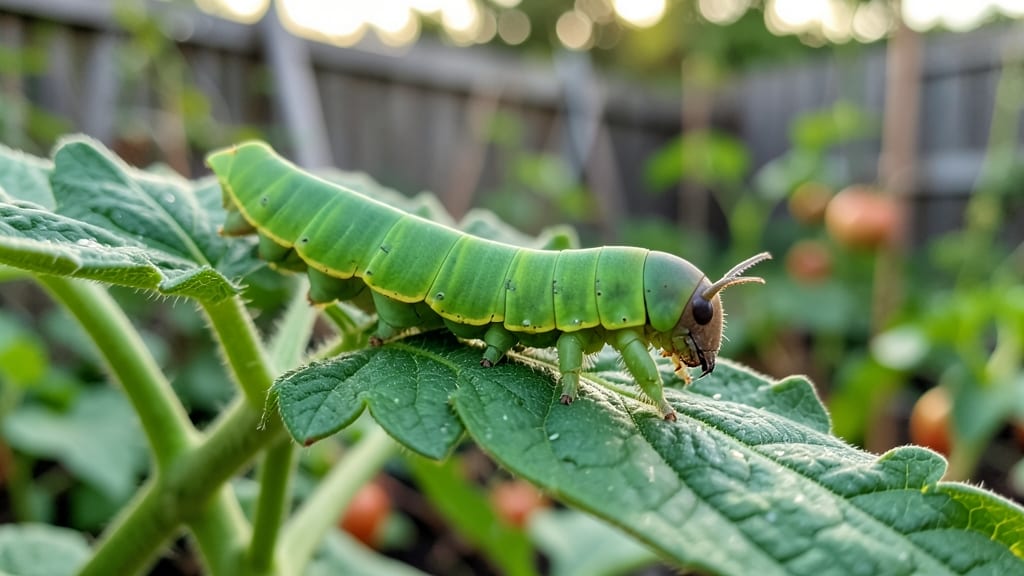
That green caterpillar on the tomato plant munching your tomato leaves? It’s probably a tomato hornworm—one of the most shockingly destructive pests in the garden. 🌱 I’ve seen them strip entire plants overnight, but there’s good news: these organic control methods actually work without harming your garden ecosystem.
The damage is easy to spot—large, ragged holes in leaves and missing fruit—but the caterpillars themselves are often hidden. They blend into foliage until it’s too late. The key is acting fast: handpicking works for small gardens, while introducing beneficial insects like parasitic wasps keeps them in check long-term.
By the end of this guide, you’ll know how to spot them early, remove them safely, and prevent future infestations without chemicals. Your tomatoes will bounce back stronger, and you’ll never panic when you see those telltale green stripes again.
Works for backyard gardens, containers, and even raised beds—no matter how bad the damage looks, these methods get results. Let’s get your plants back on track!
Causes Behind Leaf Munchers
Discovering a green caterpillar on your tomato plant can feel like a nightmare—especially when you’ve nurtured your garden with care. But before you panic, it’s crucial to understand why these pests show up in the first place.
The good news? Most infestations stem from predictable patterns, and knowing the root causes helps you act fast. Let’s break down the science behind these leaf-chewing invaders.
Tomato plants under stress are like neon signs for caterpillars. When your plants are overcrowded, nutrient-deficient, or waterlogged/drought-stressed, their leaves become softer and more appealing to hungry larvae. Here’s why:
- Weakened Defenses: Stressed plants produce fewer secondary metabolites (like alkaloids or tannins) that naturally repel pests. Caterpillars detect these compounds and target plants with lower resistance.
- Attracts Alternate Hosts: Overgrown gardens create shelter for adult moths (like hornworms or loopers), which lay eggs near stressed foliage. Think of it as a buffet sign: “Easy meals here!”
- Fungal or Bacterial Stress: Even mild infections (e.g., early blight or powdery mildew) make leaves more palatable. Caterpillars prefer young, tender growth—exactly what stressed plants produce in abundance.
💡 Pro Tip: Space tomato plants 18–24 inches apart and prune lower leaves to improve airflow. A healthy plant is the best deterrent!
The caterpillar you see today is the larval stage of a moth that’s already been hard at work. Most tomato-devouring caterpillars (hornworms, tomato fruitworms, loopers) start as tiny eggs laid by adult moths. Here’s how it happens:
- Timing Matters: Moths like the Manduca sexta (tomato hornworm) are most active during warm evenings (70–85°F). They use pheromones to find mates and then seek out tomato plants to lay eggs on undersides of leaves or near stems.
- Light Attraction: Outdoor lights (especially mercury vapor or sodium vapor) confuse moths, drawing them to your garden. Once there, they’re more likely to investigate plants for egg-laying sites.
- Previous Year’s Debris: Moths overwinter in garden detritus (like leaf litter or old plant stems). If you didn’t clean up last season, you’re giving them a head start this year.
🔥 Action Step: Install a yellow or blacklight bulb (moths are less attracted to these) and remove garden debris in fall and spring to disrupt their life cycle.
Caterpillars thrive in gardens that offer shelter, food, and moisture. If your tomato patch looks like a caterpillar’s all-you-can-eat buffet, here’s what’s likely happening:
| Factor | Why It Helps Caterpillars |
|---|---|
| Weedy Borders | Weeds like dandelions, milkweed, or nightshade (a host plant for hornworms) provide alternate food sources and hiding spots for eggs/larvae. |
| Mulch Piles | Thick mulch retains moisture and traps egg masses from moths. Some caterpillars (like loopers) even pupate inside mulch. |
| Irregular Watering | Overwatering creates slug-friendly conditions, and slugs eat caterpillar eggs—but then the surviving larvae feast on soggy leaves. Underwatering stresses plants, making them more vulnerable. |
🌡️ Pro Tip: Keep mulch 2–3 inches deep and 3 inches away from plant stems to reduce humidity. Pull weeds within a 10-foot radius of tomato plants to remove moth habitats.
Caterpillar populations explode during specific weather patterns. Here’s how climate plays a role:
- Warm, Humid Springs: Temperatures above 60°F trigger moths to emerge from pupation. High humidity keeps eggs moist and viable for longer.
- Drought Followed by Rain: A dry spell weakens plants, and sudden rain washes away natural predators (like birds or parasitic wasps). Caterpillars then face less competition for food.
- Early Planting: Starting tomatoes too early (before last frost) gives moths a head start. Their eggs hatch faster in warm soil, and larvae are ready to feed by the time your plants are vulnerable.
⏰ Timing Hack: Use floating row covers for the first 4–6 weeks of planting to block moths. Remove covers when flowers appear to allow pollination.
Practical Ways to Remove Pests Naturally
Now that you know the culprits behind those unsightly green caterpillars munching on your tomato plants, it’s time to take action—without resorting to harsh chemicals. Below are targeted, organic solutions tailored to the most common causes, along with prevention tips to keep your garden thriving.
These methods are easy to implement, cost-effective, and safe for your family and pollinators.
Hornworms are the heavy hitters of tomato plant pests, capable of defoliating a plant in days. Here’s how to eliminate them fast and keep them away for good.
🔥 Step 1: Handpick Them (Yes, Really!)
- When to do it: Early morning or late evening when hornworms are sluggish.
- How to do it:
- Wear gloves (optional but helpful).
- Gently pluck the caterpillars off leaves and stems—they’re large enough to spot easily.
- Drop them into a bucket of soapy water (1 tbsp dish soap per gallon) to drown them.
- Pro tip: 💡 Check the undersides of leaves and fruit clusters—they love to hide there!
🍳 Step 2: Introduce Natural Predators
Hornworms have built-in enemies that can help control their population:
- Parasitic wasps (like Cotesia congregata): These lay eggs inside hornworm larvae, eventually killing them. No action needed—just welcome them to your garden!
- Ladybugs and lacewings: Release or attract these beneficial insects by planting dill, fennel, or marigolds.
- Praying mantises: They’ll snack on hornworms too—just don’t overdo it, as they’re also generalist predators.
👨🍳 Step 3: Use Organic Sprays (If Needed)
If handpicking isn’t enough, try these non-toxic sprays:
- Bacillus thuringiensis (Bt): A microbial pesticide that targets caterpillars’ digestive systems. Safe for humans and pets when used as directed.
- How to apply: Spray every 7–10 days or after rain, focusing on newly hatched larvae.
- Neem oil: Disrupts hornworms’ feeding and growth.
Mix 1 tbsp neem oil + 1 tsp mild soap per quart of water, then spray evenly on leaves. - Best time: Early morning or late evening to avoid harming bees.
⏰ Prevention Tips for Next Season
- Rotate crops: Avoid planting tomatoes in the same spot yearly—this disrupts hornworm life cycles.
- Plant companion flowers: Marigolds, basil, and nasturtiums repel hornworms and attract predatory insects.
- Use row covers: For early-season planting, cover seedlings with floating row covers to block adult moths from laying eggs.
These pests chew holes in leaves or cut down young plants at soil level. They’re smaller and harder to spot, but these tricks will smoke them out.
🔪 Step 1: Create a DIY Trap
- For cutworms:
- Roll up newspaper or cardboard and place it around young tomato plants at night.
- In the morning, unroll it—you’ll find cutworms hiding inside. Drop them in soapy water.
- For loopers:
- Set up a yellow sticky trap (available at garden centers) to catch adult moths before they lay eggs.
🌡️ Step 2: Use Heat or Cold to Kill Eggs
- Diatomaceous earth (DE): Sprinkle food-grade DE around the base of plants and on leaf surfaces.
It dehydrates eggs and young larvae. - Reapply after rain—it loses effectiveness when wet. - Beauveria bassiana: A fungal spray that infects and kills loopers. Mix with water and spray at dusk.
🎯 Prevention Tips
- Remove garden debris: Loopers and cutworms overwinter in dead plants and mulch—clean up thoroughly in fall.
- Use collars: For young seedlings, wrap the base of the stem with cardboard or aluminum foil to prevent cutworms from chewing them off.
- Plant at the right time: Avoid late spring plantings when moth populations peak.
No matter the culprit, these universal strategies will help you keep your tomato plants healthy and pest-free:
- 💡 Inspect regularly: Check plants 2–3 times a week for early signs of damage. - 🌱 Keep plants strong: Healthy tomatoes resist pests better.
Ensure they get: - 6–8 hours of sun daily. - 1–2 inches of water per week (deep watering, not surface sprinkling). - Balanced organic fertilizer (like compost or worm castings). - 🌿 Encourage biodiversity: A diverse garden with herbs, flowers, and beneficial insects naturally controls pests. - 🚫 Avoid over-fertilizing with nitrogen: Soft, sappy plants attract more pests—stick to a balanced NPK ratio (e.g., 5-5-5).
By combining manual removal, natural predators, and preventive care, you’ll regain control of your tomato plants without chemicals. The key is consistency—pests won’t stand a chance if you stay one step ahead! 🚀
Frequently asked questions
What are those green caterpillars on my tomato plants?
They’re most likely tomato hornworms or loopers—both are common tomato pests. Hornworms have white diagonal stripes and can grow up to 4 inches, while loopers have a looping motion when moving. Both hide well in foliage during the day.
How do I know if the damage is from caterpillars and not disease?
Caterpillar damage looks like large, jagged holes in leaves or missing sections of fruit, while disease (like early blight) causes brown spots with yellow halos. Check for frass (black droppings) or actual caterpillars hiding on undersides of leaves.
Is it safe to eat tomatoes with caterpillar damage?
Yes, but remove any heavily chewed fruit or parts with visible frass. Healthy tomatoes can still be eaten—just wash thoroughly. The real concern is defoliation, which weakens the plant and reduces future yields.
Will my tomato plants recover after caterpillar damage?
Young plants may struggle, but mature tomatoes are resilient. Remove damaged leaves to redirect energy to new growth. If more than 50% of leaves are gone, the plant may need extra support like caging or staking and fertilizer to bounce back.
How do I prevent caterpillars next season without chemicals?
Start with healthy plants: space them 18–24 inches apart, use companion plants (like basil or marigolds), and remove garden debris in fall. Install floating row covers early in the season to block moths from laying eggs.