
How To
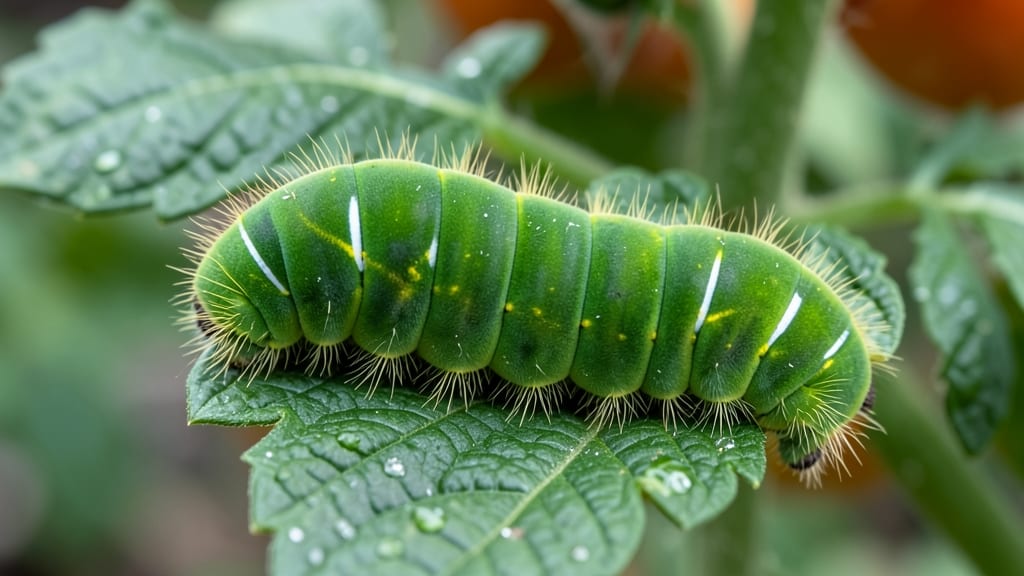
Green horn tomato worms aren't a recipe—they're the 5-inch green monsters devouring your plants faster than you can say "harvest." 🌱 I've lost entire tomato plants to these striped bandits, and I'm here to share the foolproof methods that finally gave me back my garden.
The confusion starts with their name: they're tomato hornworms, not "green horn" (that's a common misconception). These caterpillars blend into foliage like camouflaged thieves, leaving only skeletonized leaves behind. The good news?
Nature already provides free pest control—praying mantises and parasitic wasps hunt them down when given half a chance. You'll learn to spot them early (look for black diagonal stripes and white "horns"), remove them by hand, and use neem oil sprays as a last resort.
Within 48 hours, your plants will show signs of recovery, and you'll never panic when you see that first suspicious green caterpillar again. This works for all tomato varieties—heirlooms, cherry, beefsteak—and even extends to peppers and eggplants.
Let's get those plants protected before the next generation of hornworms hatches.
The Hidden Triggers Behind Worms
Those green hornworms munching on your tomato plants aren’t just random pests—they’re drawn to specific conditions that make your garden a buffet. Understanding why they show up is the first step to keeping them away. Let’s break down the key factors that turn your tomato plants into a worm magnet.
🌱 Overripe or Damaged Fruit
Hornworms have a serious sweet tooth—especially for overripe or bruised tomatoes. When fruit starts to soften or develop cracks, it releases sugars and organic compounds that signal "easy meal" to these caterpillars. Their saliva contains enzymes that break down cell walls, making it easier to feast on weakened tissue.
Why it matters: A single hornworm can devour a tomato in hours, leaving behind a skeletonized mess. The more ripe or injured the fruit, the more attractive it becomes to egg-laying moths (their parents).
Actionable fix:
- 🔥 Harvest early: Pick tomatoes as soon as they’re ripe to remove the temptation.
- 👨🍳 Inspect regularly: Check plants 2–3 times a week for bruises, splits, or wilting leaves—early removal reduces worm interest.
- 🌡️ Control humidity: High moisture speeds up ripening and attracts pests. Use drip irrigation (not overhead watering) to keep foliage dry.
🌿 Lush, Untamed Foliage
Hornworms love dense, leafy tomato plants because thick foliage provides:
- 🌿 Hiding spots: They blend in like camouflage, making them hard for birds or predators to spot.
- 🍽️ Easy access: Less pruned plants offer direct paths to stems and fruit.
- 🐛 Microclimates: Shady, humid pockets under vines create ideal conditions for egg-laying moths.
Why it matters: A single female moth can lay 2,000 eggs in her lifetime, and she targets plants with the most shelter. Without intervention, your tomatoes become a worm nursery.
Actionable fix:
- ✂️ Prune strategically: Remove suckers (side shoots) and lower leaves to improve airflow. Aim for a balanced shape—not a bushy jungle.
- 🌞 Maximize sunlight: Space plants 18–24 inches apart to reduce humidity and discourage moths.
- 🕷️ Encourage predators: Ladybugs and lacewings hunt hornworm eggs. Plant dill, fennel, or marigolds nearby to attract them.
🌙 Nighttime Moth Activity
Hornworms start as eggs laid by five-spotted hawk moths (their parents), and these moths are nocturnal. They use:
- 🌙 Moonlight: Bright nights make it easier for them to spot tomato plants from up to 10 feet away.
- 🌿 Plant scent: Tomato leaves emit volatile organic compounds (VOCs) that moths detect as "food source."
- 🌡️ Warmth: Moths are drawn to plants with warmer leaves (often from afternoon sun).
Why it matters: A single moth can lay hundreds of eggs on your plants in one night. By the time you notice the worms, it’s often too late.
Actionable fix:
- 💡 Use yellow lights: Replace white outdoor lights with yellow or amber bulbs—moths are less attracted to them.
- 🌿 Disrupt scent trails: Plant basil, thyme, or rosemary near tomatoes to mask their scent.
- ⏰ Time your checks: Inspect plants daily at dusk (when moths are most active) to spot eggs (tiny, pale yellow clusters on undersides of leaves).
🌍 Climate and Seasonal Peaks
Hornworms thrive in warm, humid conditions, with outbreaks peaking:
- 🌡️ Late spring to early summer: When nighttime temps stay above 60°F (15°C).
- 🌧️ After rain: Moisture softens leaves, making them easier to chew.
- 🌿 In greenhouses: Controlled humidity and warmth create perfect worm conditions year-round.
Why it matters: Without natural predators (like birds or parasitic wasps) to keep populations in check, worms can explode in numbers during ideal weather.
Actionable fix:
- 🌡️ Monitor weather: Use a hygrometer to track humidity. Aim for 40–60% humidity around plants.
- 💨 Improve airflow: Use fans on low speed near plants to reduce humidity without stressing foliage.
- 🌍 Rotate crops: If you’re in a high-risk zone, avoid planting tomatoes in the same spot yearly—moths remember locations.
Quick Fixes for Garden Pests
Dealing with unwanted critters in your tomato patch? Don’t let tiny invaders ruin your harvest—here’s how to tackle them fast and effectively. Below, we’ve mapped out the most common causes of tomato worm infestations (like those pesky green hornworms) and the best solutions to keep your plants thriving.
The sooner you spot the problem, the easier it is to fix it. Inspect your plants weekly, especially the undersides of leaves and near blossoms.
Look for: - Chewed leaves (ragged edges or missing chunks) - Black droppings (frass) on foliage - Large green caterpillars (hornworms) hiding in plain sight
💡 Pro Tip: Use a flashlight in the early morning or late evening when pests are most active—you’ll spot them before they become a full-blown problem!
👨🍳 Handpick the Pests (Best for Small Infestations)
If you’ve got just a few hornworms or worms, manual removal is the fastest fix. 1. Wear gloves (some gardeners dislike touching them!).
- Drop them in soapy water—this kills them instantly and keeps them from returning.
- Check daily for new eggs or larvae.
🌡️ When to Use: Ideal for early-stage infestations (under 5 worms per plant).
🥘 Organic Sprays: Non-Toxic but Powerful
For larger problems, homemade sprays work wonders without harming your plants or pollinators.
| Solution | How to Make It | How to Apply |
|---|---|---|
| Neem Oil Spray | Mix 1 tsp neem oil + 1 tsp mild soap + 1 quart water. Shake well. | Spray evenly on leaves (especially undersides) every 3-5 days. |
| Bacillus Thuringiensis (BT) | Use BT spray (a natural bacteria that kills caterpillars). Follow package instructions. | Apply at dusk to avoid harming bees. Reapply after rain. |
| Garlic & Chili Pepper Spray | Blend 4 garlic cloves + 1 tbsp cayenne pepper + 1 quart water. Strain and add 1 tsp soap. | Spray directly on pests—they’ll avoid the taste! Reapply every 7-10 days. |
✨ Pro Tip: Rotate sprays to prevent pests from building resistance. Neem oil works best preventively, while BT is great for active infestations.
🔪 Physical Barriers: Keep Them Out Before They Start
If you’re dealing with eggs or young larvae, block their access with these tricks:
- Row Covers: Use floating row covers (lightweight fabric) over young plants to block adult moths from laying eggs.
- Collars for Stems: Place cardboard or aluminum foil collars around tomato stems to prevent worms from crawling up.
- Reflective Mulch: Spread aluminum foil or silver plastic mulch around plants—it confuses moths and reduces egg-laying.
🎯 Best For: Prevention in high-risk areas or organic gardens.
The key to pest-proof tomatoes? Prevention. Here’s how to keep your garden hornworm-free season after season.
🌱 Plant Smart: Choose Resistant Varieties
Some tomato types are naturally less appealing to pests. Try:
- ‘Solar Fire’ (resistant to hornworms)
- ‘Mountain Merit’ (disease-resistant and tough)
- ‘Cherokee Purple’ (less prone to heavy infestations)
🐝 Encourage Beneficial Bugs
Nature’s pest control? Yes, please! Attract ladybugs, lacewings, and parasitic wasps—they eat hornworm eggs and larvae.
- Plant companion flowers like marigolds, dill, or basil near tomatoes.
- Avoid pesticides that kill helpful insects.
🌿 Garden Hygiene: Remove Hideouts
Pests love messy gardens. Keep your tomato patch clean and tidy:
- Pull weeds (they harbor eggs and pests).
- Remove fallen leaves (worms hide underneath).
- Rotate crops yearly to disrupt pest life cycles.
Final Thought: A little early action goes a long way! Whether you’re handpicking, spraying, or preventing, these methods will keep your tomatoes worm-free and delicious. 🍅🚫🐛
Frequently asked questions
What do "green horn tomato worms" actually look like?
They’re actually tomato hornworms—large green caterpillars (up to 4 inches) with white diagonal stripes and a tiny "horn" at the rear. Their bright green color makes them nearly invisible against tomato leaves, but their black droppings (frass) on foliage give them away.
Are these worms harmful to humans or pets?
No, they’re completely harmless to touch or eat (though few would willingly consume them!). While their saliva can irritate tomato plants, they don’t transmit diseases to humans or pets. The only risk is accidentally ingesting their frass (droppings) if you eat unwashed produce.
Why do they appear suddenly in my garden?
Hornworms hatch from eggs laid by five-spotted hawk moths—these nocturnal moths can lay 2,000 eggs in a single night! Warm, humid weather (above 60°F/15°C) triggers their lifecycle, causing outbreaks to appear seemingly overnight. Check leaf undersides at dusk for tiny yellow egg clusters.
Can I use BT (Bacillus thuringiensis) on flowering tomato plants?
Yes, but apply it at dusk to protect bees. BT is caterpillar-specific and won’t harm pollinators. For extra safety, avoid spraying when flowers are fully open. Reapply after rain, as it breaks down quickly in sunlight.
Will neem oil kill hornworms or just deter them?
Neem oil disrupts their feeding and growth—it won’t kill them instantly but makes leaves unappetizing. For faster results, combine it with handpicking or BT spray. Apply every 3-5 days (especially after rain) for best prevention.