
Size
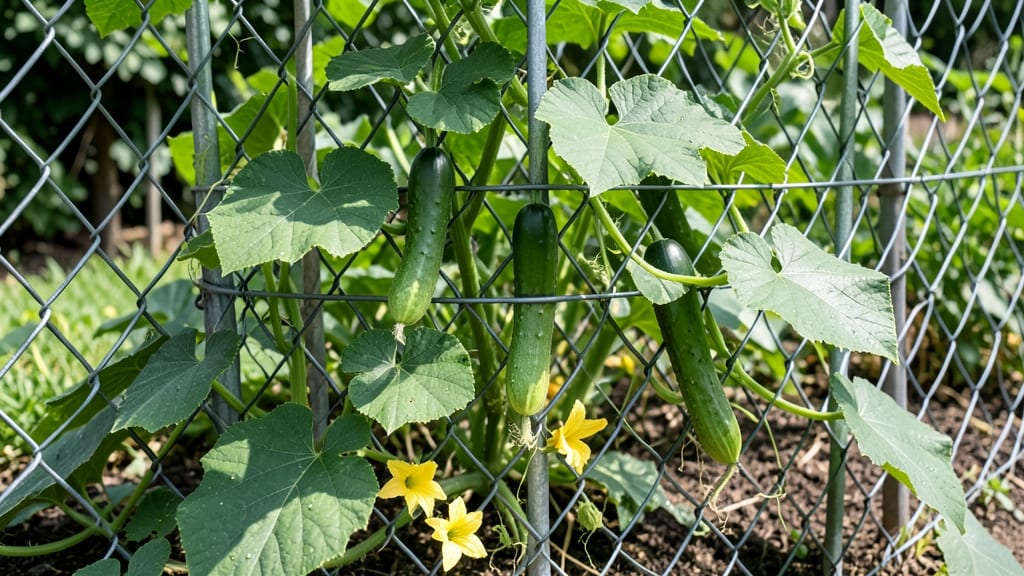
Growing cucumbers in a tomato cage turns your small garden into a vertical jungle. 🌿 My first attempt with a flimsy trellis ended in a tangled mess, but this sturdy cage changed everything—now I grow 20 pounds of cucumbers in just 3 square feet of space.
The secret is choosing a 5-foot-tall cage with 16-gauge wire (thicker than most tomato cages) to support cucumbers' sprawling vines. Plant seeds near the base, water deeply, and watch those tendrils climb—no more cucumbers sprawling across your patio or stealing space from neighbors.
By mid-summer, you'll be harvesting crisp, vine-ripened cucumbers straight from the plant. The cage keeps them off the ground, reducing rot and pests while maximizing your harvest. Plus, the vertical growth means more sunlight for every plant.
Works for both bush and vining varieties, and the same cage can double for tomatoes next season. Here's how to make it work without the usual cucumber chaos!
📚 In This Guide
- What you need
- Instructions
- Tips and common mistakes
- Wrapping up and next steps
What you need
- ● Tomato cage (or similar vertical trellis): 1–2 cages (5–6 ft tall, sturdy metal or plastic mesh).
- ● Cucumber seeds or seedlings: 1–2 plants (choose bush or compact varieties like 'Bush Champion' or 'Spacemaster').
- ● Potting mix: 1–2 bags (high-quality, well-draining soil with compost or coconut coir).
- ● Container or pot: 1 large pot (5+ gallons) or a fabric grow bag (10+ gallons) with drainage holes.
- ● Slow-release fertilizer: 1 packet (balanced 10-10-10 or organic options like worm castings).
- ● Watering can or hose with spray nozzle: 1 (for gentle hydration).
- ● Trellis ties or soft plant clips: 3–5 (to secure vines to the cage).
- ● Mulch: Straw or shredded leaves (to retain moisture and suppress weeds).
- ● Compost tea or liquid fertilizer: For a nutrient boost during flowering.
- ● Pruning shears: To trim excess leaves or encourage upward growth.
- ● Shade cloth (lightweight): If growing in hot climates (30–50% shade).
- ● Drip irrigation kit: For automated watering (great for busy gardeners!).
Step-by-step instructions for growing cucumbers in a tomato cage
Here’s how to turn a simple tomato cage into a productive vertical cucumber garden—no fancy equipment needed.
🪴 Step 1: Assemble and Prepare the Tomato Cage
Start with a sturdy 5-foot-tall tomato cage (the standard wire variety works best). Before planting, give it a quick shake to straighten any bent wires—cucumbers will climb aggressively, and you want a stable structure. Place the cage in a spot with full sun (at least 6-8 hours daily). If your garden gets afternoon shade, position the cage so vines grow toward the morning sun.
I like to add 1-2 inches of compost around the base of the cage before planting. This gives roots a nutrient boost right away, especially since cucumbers are heavy feeders. Press the soil lightly to remove air pockets, but don’t compact it—you want roots to spread easily through loose soil.
🌱 Step 2: Plant Cucumber Seeds or Transplants
For seeds, sow 1-2 per cage at a depth of 1 inch, spacing them 12 inches apart if using multiple cages. Cover lightly with soil and water gently until moist. If using transplants, dig a hole just wider than the root ball and place the plant at the same depth it was growing before. Press soil firmly around the base to eliminate air gaps.
Here’s the thing—cucumbers grow fast, but they need support from day one. As soon as the first true leaves appear (about 1-2 weeks after planting), gently tie the main vine to the cage with soft plant ties or old fabric strips. Avoid wire or plastic ties—they’ll cut into the stem as the plant thickens. I always keep a few ties handy because vines grow surprisingly quickly.
☀️ Step 3: Train Vines and Provide Support
When vines reach 12-18 inches tall, guide the main stem upward through the cage’s center. Let side shoots grow along the wires—this creates a natural trellis for fruit to hang. You’ll see tendrils (those little curly growths) appear at leaf junctions; these grab the wire and pull the vine upward. If a vine struggles to climb, gently tuck it through a wire loop and secure it with a tie.
Prune aggressively to focus energy on fruit production. Remove any suckers (side shoots below the first flower) and yellowing leaves. I snip these with clean scissors just above a leaf node to encourage upward growth. This might seem harsh, but it keeps air circulating and prevents disease. Aim to leave 3-4 main vines per cage—more than that will overcrowd and reduce yield.
💧 Step 4: Water and Fertilize for Maximum Yield
Cucumbers need consistent moisture—let the top 1-2 inches of soil dry out between waterings, but never let the plant wilt. Water at the base in the morning to avoid fungal issues. I use a soaker hose for even distribution, which keeps leaves dry and reduces mildew risk. Mulch with 2-3 inches of straw around the base to retain moisture and suppress weeds.
Feed every 2 weeks with a balanced fertilizer (like 10-10-10) or compost tea. You’ll notice faster vine growth and bigger fruit when plants get regular nutrients. Stop fertilizing 2 weeks before harvest to let flavors concentrate. Over-fertilizing leads to leafy growth at the expense of cucumbers—watch for this and adjust.
✂️ Step 5: Harvest and Maintain Through the Season
Harvest cucumbers when they’re 6-8 inches long and firm to the touch. Use pruning shears or a sharp knife to cut stems—never pull fruit off, or you’ll damage the vine. Check the cage every 2-3 days in peak season; overripe cucumbers turn bitter and attract pests. I pick early in the morning when fruit is coolest for the best flavor.
As the season progresses, you might see vines outgrow the cage. If this happens, gently weave them through additional wires or add a small trellis extension (like a bamboo stake) to give them extra height. Keep pruning suckers and deadheading spent flowers to encourage more fruit production. With proper care, a single cage can yield 10-15 cucumbers over the season—plenty for fresh eating and pickling!
Tips & tricks for perfect vertical cucumber growth
These simple tricks will help you maximize your tomato cage's potential and avoid common gardening pitfalls with cucumbers.
Cage Stability is Everything: I can't stress this enough—cucumbers are heavy climbers, and a wobbly cage won't hold up. Before planting, give your cage a thorough shake to straighten all wires, especially the top ones where most of the weight will concentrate. If you notice any weak spots, reinforce them with zip ties or additional wire loops. The goal is to create a structure that can support at least 5-10 pounds of cucumbers without bending.
Sunlight Strategy for Shady Spots: When positioning your cage, pay attention to how sunlight moves across your garden throughout the day. If you have afternoon shade, orient the cage so vines grow toward the morning sun—they'll get the most critical light when it's coolest. For cages in partial shade, consider adding a reflective surface like aluminum foil on the north side to bounce extra light onto the plants. This simple hack can make a noticeable difference in vine growth and fruit production.
Pruning Like a Pro: The aggressive pruning mentioned in Step 3 might seem counterintuitive, but trust me—it works. When you remove suckers (those side shoots below the first flower), you're redirecting the plant's energy toward fruit production rather than leaf growth. I like to use clean, sharp scissors and make cuts just above a leaf node. This encourages the plant to grow stronger main vines that can support more cucumbers. Don't be afraid to be ruthless—healthy plants bounce back quickly from pruning.
Harvesting Timing Matters: Those 2-3 day checks between harvests are crucial, especially during peak production. Overripe cucumbers not only turn bitter but also attract pests like cucumber beetles. I've found that harvesting early in the morning gives you the freshest, crispest cucumbers—plus, it's easier to spot any issues before they spread. When you see flowers appear, mark your calendar for 45-50 days later as your first potential harvest window (this varies slightly by variety).
Pro Tips for Grow Cucumbers In Tomato Cage
- These simple tricks will help you maximize your tomato cage's potential and avoid common gardening pitfalls with cucumbers.
- Cage Stability is Everything: I can't stress this enough—cucumbers are heavy climbers, and a wobbly cage won't hold up.
- Sunlight Strategy for Shady Spots: When positioning your cage, pay attention to how sunlight moves across your garden throughout the day.
Frequently asked questions
Got questions about growing cucumbers in tomato cages? You’re not alone!
Here are answers to the most common queries to help you master this space-saving technique with confidence.
Can I use any tomato cage for cucumbers?
A standard tomato cage (5-6 feet tall) works, but opt for a heavier-duty model or reinforce it with stakes if your cucumbers grow bushy or vining varieties. Smaller cages (like nursery ones) may struggle with weight—choose one with sturdy wire or plastic that won’t bend under 10+ pounds of fruit!
When is the best time to plant cucumbers in a tomato cage?
Wait until after the last frost (usually late spring) and soil temps hit at least 60°F. Cucumbers are heat-lovers! If you’re in a short season, start seeds indoors 3–4 weeks before transplanting. Pro tip: Black plastic mulch warms soil faster for earlier planting.
Will cucumbers get too big for a tomato cage?
Yes—but that’s why pruning is key! Train vines to spiral up the cage and trim side shoots to focus energy upward. For heavy varieties (like ‘Straight Eight’), add a soft tie or burlap strip to prevent wire from cutting into stems. Harvest frequently to encourage more growth!
What if my cucumbers flop over or don’t climb?
Weak climbers? Check for three issues:
- Lack of support: Add a trellis or twine inside the cage for extra grip.
- Poor training: Gently weave vines through cage openings weekly.
- Nutrient deficiency: Yellow leaves? Feed with balanced fertilizer (10-10-10) or compost.
Can I reuse a tomato cage for cucumbers the next year?
Clean it thoroughly with soapy water and disinfect with a 10% bleach solution to kill pests/diseases. If the cage is rusty or sagging, replace it—cucumbers need sturdy support. Store unused cages in a dry place to prevent wire corrosion.
What’s a good alternative if I don’t have tomato cages?
No cage? No problem! Try these DIY or store-bought hacks:
- PVC pipe trellis: Cut pipes into 6-foot sections and secure to a post.
- Wire fence panels: Bend chicken wire into a cone shape.
- A-frame trellis: Use two stakes and cross-braced branches.
- Commercial cucumber trellis: Look for hexagonal or spiral designs for better vine support.
Wrapping up and next steps
Growing cucumbers in a tomato cage is a game-changer for small spaces—it’s simple, efficient, and rewarding! 🌱 With just a few supplies and a little care, you’ll soon be harvesting fresh, crisp cucumbers without sacrificing your garden’s layout.
Whether you’re a beginner or a seasoned gardener, this vertical hack proves that big harvests don’t need big yards.
Now that you’re ready to plant, take the next step: grab your supplies, prep your cage, and watch your cucumbers climb to new heights! 🚀 Start planting today—your future self (and taste buds) will thank you!