
Propagation
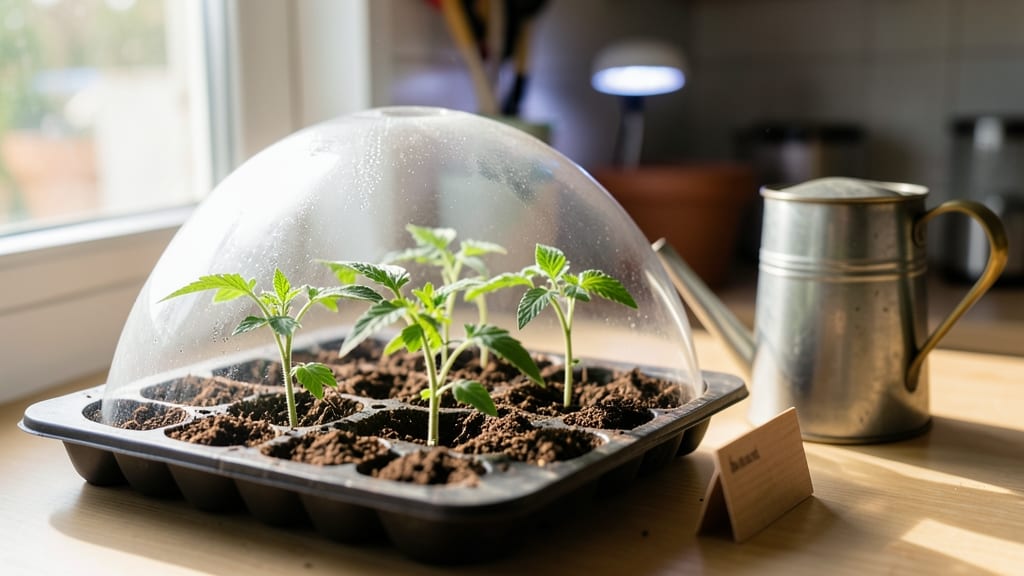
Growing tomato plants from seeds indoors lets you beat the nursery prices and pick the exact varieties you crave—like heirloom 'Brandywine' or cherry 'Sungold. 🌱 I’ve started dozens of tomato seedlings, and the difference between a weak, leggy plant and a sturdy, stocky one comes down to these two tricks: pre-soaking seeds and using the right heat source.
Most beginners skip this step, which is why their seedlings take forever to sprout—or never do at all.
The secret setup is simpler than you’d think: a small heat mat (or even a sunny windowsill with a clear plastic dome), a tray of damp paper towels, and a bright grow light.
You’ll see those first tiny roots within 3-5 days, and by week 4, you’ll have seedlings ready to outpace anything from a big-box store. The key is keeping things warm, moist, and well-lit—no fancy equipment needed, just consistency.
By the time you’re ready to transplant, your seedlings will be thick-stemmed and dark green, not the spindly, pale things you’d get from a store. They’ll establish faster in the garden, fruit earlier, and resist transplant shock like champs.
Plus, you’ll save $10-$20 per plant—enough to buy better soil or a second grow light for next season.
This method works for any tomato variety, whether you’re growing in a sunny kitchen or a basement with a shop light. The only real pitfall? Overwatering or letting seedlings get too cold—both kill progress fast.
But once you nail the basics, you’ll be hooked on starting your own plants every year.
📚 In This Guide
- What you need
- Instructions
- Tips and common mistakes
- Wrapping up and next steps
What you need
- ● Tomato seeds: Choose heirloom or hybrid varieties (e.g., Cherry Roma, Beefsteak). Start with 3–5 seeds per container for redundancy.
- ○ Seed-starting trays or pots: 2–4" deep with drainage holes (50+ cells if using trays). Optional: Biodegradable peat pots for easy transplanting.
- ● High-quality seed-starting mix: Lightweight, sterile blend (e.g., ProMix or FoxFarm Seedling Mix). Avoid garden soil—it’s too dense!
- ○ Grow lights or sunny windowsill: 12–16 hours/day of light (LED or fluorescent bulbs work best). Optional: Heat mats (70–80°F soil temp) to speed germination.
- ● Misting bottle or spray nozzle: For gentle watering (avoid soaking—seeds need air!).
- ● Clear plastic dome or plastic wrap: Creates a humidity tent to retain moisture until germination.
- ● Labels & marker: Track seed varieties (trust us, seedlings look alike at first!).
- ● Seedling heat mat: Boosts germination speed by 10–15 days (ideal for slow starters like heirlooms).
- ● Fertilizer: Fish emulsion (1:10 dilution) or seaweed extract after true leaves appear (avoid over-fertilizing!).
- ● Humidity tray: Fill a shallow tray with pebbles + water to maintain moisture levels.
- ● Grow light timer: Automates light cycles for consistency.
- ● Pruning shears: For snipping leggy seedlings later.
Step-by-step instructions for growing tomato plants from seeds indoors
Here’s how to get your tomato seeds sprouting fast and growing strong—no fancy equipment needed.
🌱 Step 1: Prep Seeds for Faster Germination
Tomato seeds have tough outer shells that slow germination. Soak them overnight in a bowl of lukewarm water—this softens the coating and jumpstarts sprouting. I like to place a damp paper towel over the bowl to keep humidity high while they soak.
After 12 hours, drain the water and let the seeds air-dry for 10 minutes before planting. This prevents mold and ensures they won’t stick together. You’ll notice the seeds look slightly plump and ready to push through their shells.
🪴 Step 2: Fill Containers with Warm, Moist Soil
Use a seed-starting mix (not garden soil) and fill your containers to 1 inch below the rim. Press the soil down lightly—it should feel like a damp sponge, not muddy. The warmth helps speed germination, so I place the containers on a seedling heat mat set to 75-85°F.
Water the soil until it’s evenly moist, but don’t oversaturate—you want it damp, not soggy. A spray bottle works best to avoid disturbing the soil surface. Once the soil feels cool to the touch, it’s ready for seeds.
🌱 Step 3: Plant Seeds and Cover for Humidity
Sow 1-2 seeds per cell at a depth of ¼ inch—about the width of a dime. Planting too deep makes seedlings struggle to reach light. Cover the tray with a clear plastic dome or plastic wrap to trap warmth and moisture.
Place the tray in a bright spot (but not direct sun yet) and check daily. You’ll see the first sprouts in 5-10 days, usually starting from the largest seeds. Once half the seeds have sprouted, remove the dome immediately—too much humidity invites damping-off disease.
☀️ Step 4: Move to Bright Light Immediately
The moment seedlings emerge, they need 14-16 hours of light daily. A south-facing window won’t cut it—use a grow light positioned 2-4 inches above the plants. Leggy seedlings (thin, stretched stems) mean your light is too far away.
Rotate the tray a quarter turn daily so plants grow straight, not lopsided. You’ll know they’re happy when leaves are dark green and compact, not pale and stretched. Keep soil moist but never soggy—water when the top inch feels dry.
✂️ Step 5: Thin and Harden Off Before Transplanting
Once seedlings have 2 true leaves (not the first tiny seed leaves), thin to the strongest plant per cell. Snip the weaker one at soil level with clean scissors—don’t pull, or you’ll disturb roots.
Two weeks before your last frost date, start hardening off by placing seedlings outside in partial shade for 1-2 hours daily. Gradually increase time and sun exposure over 10-14 days. You’ll know they’re ready when they bounce back from a full day outdoors without wilting.
Tips & tricks for growing tomato plants indoors
Here's what nobody tells you about getting those first sprouts—and keeping them thriving.
The Soak Secret: That 12-hour soak in lukewarm water is your secret weapon. I've found that adding a drop of hydrogen peroxide (3%) to the soak water helps prevent mold and speeds up germination by about 24 hours. Just use it sparingly—too much can damage seeds. The seeds should look slightly swollen after soaking, which means they're primed and ready to push through their shells.
Heat Mat Hack: If you don't have a seedling heat mat, try placing your containers on top of your refrigerator. The heat rising from the coils creates a warm environment that mimics the heat mat's effect at 75-85°F. Just be careful not to let the soil get too hot—it should feel warm to the touch, not hot. This trick works especially well in cooler homes where germination can take longer.
Lighting Insight: Those 14-16 hours of light are non-negotiable for strong seedlings. I've seen beginners use regular LED bulbs and wonder why their plants turn out leggy. Invest in a full-spectrum grow light—it's the only way to replicate natural sunlight. Position it just 2-4 inches above the seedlings, and you'll notice the difference in just a few days. The leaves will be dark green and compact instead of pale and stretched.
Hardening Off Strategy: When you start the hardening off process with those 1-2 hours in partial shade, gradually increase the time by 30 minutes each day. This slow transition helps the seedlings adjust to outdoor conditions without going into shock. I've seen plants that were hardened off too quickly wilt dramatically, but with this gradual approach, they bounce back beautifully and are ready for transplanting in no time.
Pro Tips for Growing Tomato Plants From Seeds Indoors
- Here's what nobody tells you about getting those first sprouts—and keeping them thriving.
- The Soak Secret: That 12-hour soak in lukewarm water is your secret weapon.
- Heat Mat Hack: If you don't have a seedling heat mat, try placing your containers on top of your refrigerator.
Frequently asked questions
Got questions about growing tomato plants from seeds indoors? You’re not alone—here are some of the most common ones, answered for you!
How long does it take for tomato seeds to germinate indoors?
With the right conditions (warmth, moisture, and light), tomato seeds typically sprout in 5–14 days. Speed-germination tricks like soaking seeds in warm water or using a heat mat can cut this time by half. Patience is key—don’t give up if they take longer!
Can I start tomato seeds indoors too early?
Yes, but timing matters! Start seeds 6–8 weeks before your last frost date to avoid overcrowded seedlings. If you plant too early, you’ll need to transplant them multiple times or use grow lights. Check your local frost dates to plan ahead!
What if my tomato seeds won’t sprout?
Don’t panic! Try these fixes:
- Check moisture: Keep soil damp (not soggy) and cover trays with plastic wrap temporarily.
- Verify warmth: Seeds need 70–85°F to germinate. Use a seedling heat mat if needed.
- Test viability: Soak a few seeds in water—if they sink, they’re likely still alive!
Do I need special soil for tomato seedlings?
Not necessarily, but a light, sterile seed-starting mix works best. Avoid garden soil (it’s too dense and may harbor pests). Mix in perlite or vermiculite for drainage, and use small pots (2–3 inches deep) to prevent overwatering.
What’s the best way to harden off tomato seedlings before transplanting?
Acclimate seedlings gradually over 7–10 days:
- Start with 1–2 hours outside in partial shade.
- Increase time and sun exposure daily.
- Avoid hard off too fast—it can shock delicate plants!
How do I save failed tomato seedlings?
If seedlings look leggy, weak, or yellow, act fast:
Leggy? Move them closer to a light source (or add a grow light).
Yellow leaves? Check for overwatering—let soil dry slightly between waterings.
Pests? Isolate the plant and treat with neem oil or insecticidal soap.
Wrapping up and next steps
Growing tomato plants from seeds indoors is a rewarding journey that starts with patience, the right tools, and a few clever tricks! 🌱 With speed-germination techniques, you’ll be well on your way to a thriving harvest—no matter your green thumb level.
The key is consistency: keep those seeds warm, hydrated, and cozy until they sprout, then nurture them with care as they grow.
Now that you’re armed with these speed-germination secrets, it’s time to roll up your sleeves and get planting!
Start small with a few seeds, experiment with what works best for your space, and soon you’ll be enjoying homegrown tomatoes straight from your windowsill to the table. Happy growing—your future salads are waiting! 🍅✨