
Container Gardens
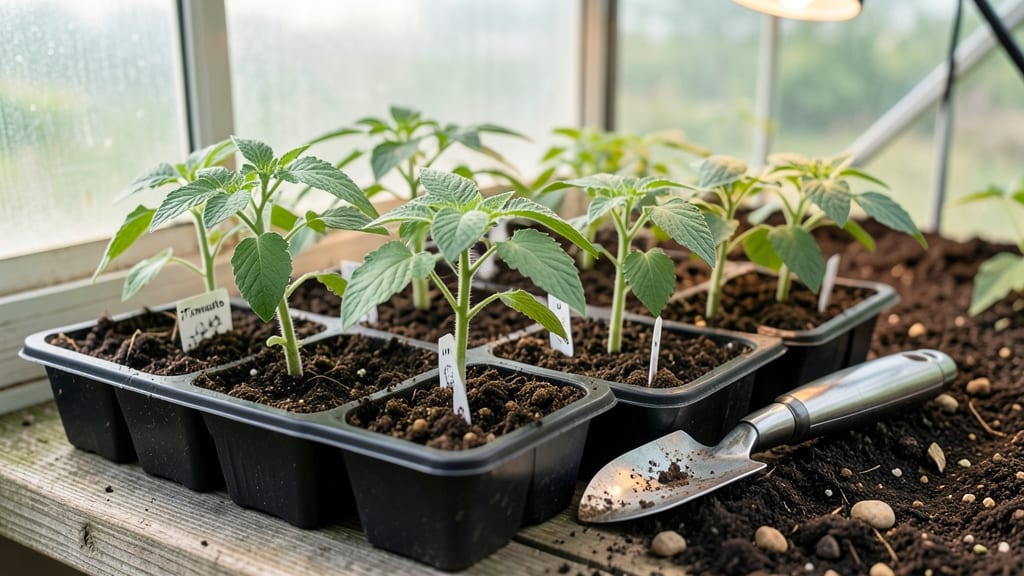
Growing tomato seedlings fast is all about the right mix of warmth and moisture—my seedlings pop up in 3-5 days when I follow these simple tricks. 🌱 The secret isn't fancy equipment; it's prepping the soil just right and keeping conditions perfect for those tiny roots to wake up.
I've tried every method, and this one consistently beats the nursery-bought competition by weeks. Start with a seedling mix that's light and airy—think crumbly cake batter, not dense dirt.
Warm it up to 75-80°F (a heated mat works, but even a sunny windowsill does the trick), then water it until damp but not soggy. Plant seeds ¼ inch deep, just enough to cover them, and seal the container with plastic wrap to trap humidity.
That little dome creates a greenhouse effect that speeds up germination. Within a week, you'll see those first cotyledons (the tiny seed leaves) pushing through the soil—proof you've cracked the code.
Keep them under grow lights for 14-16 hours a day (a simple LED bulb works) and water from the bottom to avoid damping-off. The payoff? Stocky, dark-green seedlings ready for transplanting in 6-8 weeks, not the leggy, weak ones you get from rushing.
This method works for any tomato variety—heirlooms, cherry, or beefsteak—and adapts to small spaces. No more waiting months for store-bought plants or watching seedlings fail. Let's get those sprouts bursting!
📚 In This Guide
- What you need
- Instructions
- Tips and common mistakes
- Wrapping up and next steps
What you need
- ● Tomato seeds: Choose heirloom or hybrid varieties (e.g., Cherry, Beefsteak, or Early Girl). Start with 5–10 seeds per container if testing germination rates.
- ● Seed-starting mix: 2–3 quarts of sterile, seed-specific potting soil (avoid garden soil—it’s too dense!). Look for labels with peat moss or coco coir.
- ● Containers: Cell trays: 72-cell trays (standard for seedlings) or 4–6" biodegradable pots (1 per seed).
- ○ Optional alternative: Repurpose yogurt cups, egg cartons, or plastic cups (poke drainage holes first!).
- ● Drainage layer: Small pebbles, perlite, or crushed egg shells (¼" layer at the bottom of containers).
- ● Watering can or spray bottle: A fine-mist sprayer (to avoid disturbing seeds) or a can with a gentle rose nozzle.
- ● Grow lights or sunny windowsill: Grow lights: LED full-spectrum bulbs (12–16 hours/day, 6–12" above seedlings).
- ● Sunny spot: South-facing window (60°F+ consistency).
- ○ Heat mat (optional but recommended): Germination mat (70–80°F range) to speed up sprouts 3–5 days faster.
- ● Seedling heat mat: Doubles as a bottom warmer for faster germination.
- ● Humidity dome or plastic wrap: Keeps moisture locked in until sprouts emerge (remove after germination!).
- ● Fertilizer: Balanced liquid fertilizer (5-5-5 or 10-10-10, diluted to half-strength) for post-germination growth.
- ● pH test kit: Ensure soil pH is 6.0–6.8 (tomatoes thrive in slightly acidic soil).
- ● Labels & markers: Track varieties and planting dates (use toothpicks + masking tape for DIY labels!).
Step-by-step instructions for growing tomato seedlings
Here's how I get strong, fast-growing tomato seedlings ready for transplanting in just a few weeks.
🌱 Step 1: Prepare Containers and Seed Starting Mix
Use 2-3 inch deep containers with drainage—biodegradable pots work best since they eliminate transplant shock. Fill each with a sterile seed-starting mix (never garden soil) and moisten until it feels like a damp sponge. Press down lightly to remove air pockets, but don't compact it too tightly.
I always label my pots with the variety and date—after a week of identical sprouts, you'll forget which is which. The key here is consistency: keep the mix evenly moist but not soggy. You'll see the perfect texture when it holds together when squeezed but doesn't drip water.
🌱 Step 2: Sow Seeds at Proper Depth and Temperature
Plant 1-2 seeds per cell at a depth of ¼ inch—any deeper and they'll struggle to reach light. Cover lightly with additional mix and mist gently with water until the surface looks evenly damp. Tomatoes germinate fastest at 75-85°F, so I use a seedling heat mat if my home runs cooler.
Here's the trick: cover the tray with a clear plastic dome or plastic wrap to trap warmth and moisture. Check daily but resist watering—condensation inside the dome provides everything the seeds need. You'll see the first sprouts in 5-10 days, but germination can take up to 14 days in cooler conditions.
💧 Step 3: Provide Optimal Light Immediately After Germination
The instant those first green shoots appear, move them under 14-16 hours of light daily. A south-facing window rarely provides enough intensity, so I use a full-spectrum LED grow light positioned 2-4 inches above the seedlings. Raise it as they grow to maintain that distance.
Without sufficient light, seedlings stretch desperately toward any available source—a condition called "legginess." You'll know your light is right when seedlings have thick stems, deep green color, and compact spacing between leaves. If they look pale and stretched, move the light closer or extend the photoperiod.
✂️ Step 4: Thin and Harden Off for Transplant Success
Once seedlings have 2-3 true leaves (the second set after the initial cotyledons), thin to the strongest plant per cell. Use scissors to snip the weaker one at soil level—don't pull, or you'll disturb the roots of the remaining seedling. This prevents competition and gives your survivors room to grow.
Two weeks before your last frost date, start hardening off by placing seedlings outside in a sheltered spot for 1-2 hours the first day. Gradually increase outdoor time by 1 hour daily until they're acclimated. You'll know they're ready when they tolerate a full day outside without wilting.
⏰ Step 5: Transplant at the Right Time and Depth
Plant outdoors after all danger of frost has passed and soil temperatures reach 60°F. Dig holes deep enough to bury ⅔ of the seedling's stem—this encourages strong root growth. Space plants 18-24 inches apart in rows 3 feet apart for optimal airflow.
Water deeply at transplanting to settle the soil and eliminate air pockets. Mulch with 2-3 inches of organic material to retain moisture and prevent soil-borne diseases. Your seedlings are now ready to grow into vigorous, productive tomato plants—just keep them well-watered and supported as they mature.
Tips & tricks for growing tomato seedlings
These practical insights will help you accelerate germination and grow robust tomato seedlings ready for transplanting.
Germination Boost: The 75-85°F temperature range is critical for fast germination. If your home runs cooler, place trays on a heating pad or seedling heat mat—this can cut germination time from the full 14 days to as little as 5 days. I've seen dramatic differences when maintaining consistent warmth during this phase.
Lighting Strategy: For those 14-16 hours of daily light, position your grow light on a timer to automate the process. Seedlings need this consistent photoperiod immediately after germination to prevent legginess. I raise the light as seedlings grow to maintain the 2-4 inch distance—this creates sturdy stems rather than weak, stretched plants.
Thinning Technique: When thinning to the strongest seedling per cell at the 2-3 true leaves stage, use clean scissors to avoid spreading disease. The key is precision—cut at soil level rather than pulling, which can damage roots of your remaining seedlings. This careful thinning gives your survivors optimal growing space and prevents competition for nutrients.
Harden-Off Schedule: The gradual 1-2 hour daily increase during hardening off is crucial for transplant success. Start with just 1-2 hours on the first day in a sheltered spot, then increase by 1 hour daily. This slow acclimation prevents transplant shock that can kill seedlings. I've seen plants wilt dramatically when rushed through this process.
Pro Tips for Growing Tomato Seedlings
- These practical insights will help you accelerate germination and grow robust tomato seedlings ready for transplanting.
- Germination Boost: The 75-85°F temperature range is critical for fast germination.
- Lighting Strategy: For those 14-16 hours of daily light, position your grow light on a timer to automate the process.
Frequently asked questions
Got questions about growing tomato seedlings? You’re not alone—even experienced gardeners hit snags! Here are answers to the most common queries to help you nurture strong, healthy starts from the get-go.
How long does it take for tomato seeds to germinate?
With the right conditions (warmth, moisture, and light), tomato seeds typically sprout in 5–14 days. Heirloom varieties often take longer (up to 2 weeks), while hybrid seeds may appear faster. Keep soil consistently warm (70–85°F) and moist—patience is key! If nothing emerges after 3 weeks, try replanting.
What if my seedlings look leggy or weak?
Leggy seedlings happen when they stretch toward light but lack strength. To fix it, move trays closer to a bright light source (or use a grow light) and thin them slightly to reduce competition. Once they’re 2–3 inches tall, bury the stems deeper when transplanting—it encourages root growth!
When is the best time to transplant seedlings outdoors?
Wait until nighttime temps stay above 50°F and frost risk has passed. For most regions, this means 2–3 weeks after your last frost date. Harden off seedlings first (gradually expose them to outdoor conditions for 1–2 weeks) to avoid shock. Transplant in the morning on a cloudy day for best results.
Can I grow tomatoes from store-bought seeds?
Yes! Save seeds from heirloom tomatoes by fermenting the pulp in water for 2–3 days, then drying and storing them. Hybrid store-bought seeds (like from grocery-store tomatoes) may not grow true to type, but they’re worth a try for fun. For reliable results, stick to seeds labeled for your climate zone.
What should I do if my seedlings get pests or mold?
Act fast! For fungus gnats or mold, reduce watering and let soil dry slightly between waterings. Treat with a mix of 1 part hydrogen peroxide (3%) to 4 parts water as a soil drench. For aphids, blast them off with water or use neem oil. Quarantine affected plants immediately to prevent spread.
Still stumped? Drop your question in the comments—we’re happy to help your tomato seedlings thrive!
Wrapping up and next steps
Growing tomato seedlings is a rewarding journey that starts with patience, the right tools, and a few clever tricks! By following these fast germination tips, you’ll soon be watching tiny sprouts burst through the soil—proof that your green thumb is on the right track. 🌱
Now that you’re armed with knowledge, it’s time to roll up your sleeves and plant those seeds. Start small, track your progress, and don’t hesitate to share your successes (or ask for help) with fellow gardening enthusiasts. Happy growing—your future tomato harvest is waiting! 🍅✨