
How To
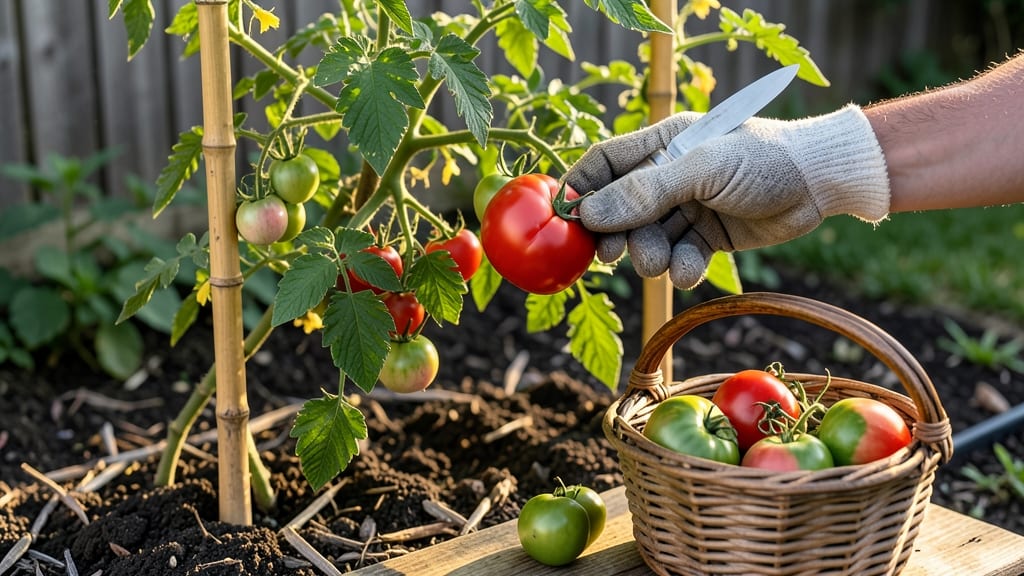
To know if a tomato is ready to pick, watch for color shifts, stem changes, and a slight give when squeezed—these are the three key signs that mean perfect ripeness.
Picking tomatoes at the perfect moment ensures maximum flavor, texture, and yield—but how do you know when they're truly ripe? Miss the window, and you risk bland, mealy fruit or wasted effort.
I’ve learned the hard way that a tomato’s readiness isn’t just about color; it’s about a mix of visual cues and a gentle touch.
Most gardeners focus on color, but stem separation and firmness are just as important. A ripe tomato’s stem should pull away cleanly, and when you press it gently, the skin should yield slightly—not mushy, but not rock-hard either.
These tricks work for heirlooms and hybrids alike, though some varieties (like cherry tomatoes) ripen faster and need closer attention.
Below, I’ll break down the exact visual and physical clues to spot, plus common mistakes that lead to picking too early. By the end, you’ll never second-guess whether that 🍅 is ready—or if it still needs a few days on the vine.


5 Visual and physical signs your tomato is ready to pick
Nothing beats the satisfaction of plucking a perfectly ripe tomato straight from the vine—juicy, sweet, and bursting with flavor. But how do you know when your tomatoes are truly ready? The answer lies in a mix of visual cues and physical tests that reveal ripeness beyond just color.
Heirloom varieties like Brandywine or Cherokee Purple often show different signs than hybrid types like Celebrity or Sungold, so understanding these clues ensures you don’t miss the prime harvest window.
Ripe tomatoes aren’t just about turning red—they undergo subtle changes in size, texture, and stem attachment that signal peak flavor. Ignoring these signs can lead to underripe, tart tomatoes or worse, overripe, mushy fruit that falls apart at the touch.
Whether you’re growing cherry tomatoes for snacking or beefsteak varieties for sandwiches, mastering these five indicators will transform your harvest from "meh" to "mind-blowing."
Pro Tip: Always pick tomatoes in the morning when temperatures are cooler. This preserves their firmness and flavor longer after harvest. Now, let’s break down the exact signs to watch for—because not all ripe tomatoes look the same!
Let’s start with the most obvious clue: color. While red is the classic sign for many varieties, heirlooms like Black Krim or Green Zebra ripen to deep purples or striped greens. The key is uniformity—ripe tomatoes should show their final color with no green remnants.
Even a small green spot can mean the tomato needs more time on the vine. For yellow or orange varieties like Lemon Boy, look for a bright, even hue without dull patches.
Next, check the stem end, a telltale sign often overlooked. A ripe tomato’s stem will naturally separate from the vine with a gentle twist—it should pull away cleanly, leaving a yellow-brown scar. If the stem stays green or resists separation, the tomato isn’t ready yet.
This is especially critical for cherry tomatoes, which can ripen quickly and drop if left too long. For larger varieties like Brandywine, the stem end may take longer to yellow, so combine this with other signs.
Size matters more than you might think. Tomatoes won’t reach their full flavor potential until they’ve grown to their variety’s expected size. A beefsteak tomato should weigh 1 pound or more, while cherry tomatoes should be 1-2 inches in diameter.
If your tomatoes stay small, they might be nutrient-deficient or struggling with poor pollination. Compare your harvest to the seed packet’s size range—this is your benchmark for ripeness.
Now for the squeeze test, a gardener’s secret weapon. Gently press a tomato with your thumb—it should feel firm but yield slightly, like a ripe avocado. If it’s rock-hard, it’s underripe; if it’s mushy or dented, it’s overripe. Pay attention to the <
The squeeze test: how firmness reveals ripeness (with common mistakes)
The squeeze test is your secret weapon for determining tomato ripeness—especially when color alone isn't enough. A gentle squeeze reveals whether your tomato is firm-but-ripe, underripe, or overripe. Mastering this technique prevents you from picking bland, mealy tomatoes or missing the perfect harvest window.
Start by selecting a tomato that's already showing variety-specific color changes (deep red, yellow, or orange). Avoid testing green tomatoes or those with uneven coloration, as their firmness won't be reliable. The key is to apply consistent pressure—just enough to feel resistance without bruising the skin.
⚠️ callout-warning
Applying too much pressure can cause internal damage, leading to mealy texture or burst seeds. Use thumb-and-finger pinch (not a full grip) on the tomato's side near the blossom end. A ripe tomato should yield slightly—like pressing a ripe avocado—not bounce back like a stress ball.
✅ Correct: Gentle squeeze = slight give (like a ripe peach)
❌ Avoid: Hard as a rock or mushy = pick another!
For heirloom varieties, expect a softer but resilient feel—these tomatoes often have thicker skins but still yield slightly when ripe. Hybrid tomatoes, like Roma or Early Girl, tend to be firmer overall, so their "ripe squeeze" will feel slightly more resistant.
Test multiple tomatoes on the same plant, as ripening speeds vary by sun exposure and branch location.
One common mistake is confusing firm-but-ripe tomatoes with underripe ones. A truly ripe tomato will have a slight sheen and may even feel slightly warmer to the touch than its neighbors.
If the tomato feels hard with no give, it’s not ready—wait 2–3 days and retest. Conversely, if it’s too soft or dented, it’s overripe and best used immediately.
Pro tip: Pair the squeeze test with the stem separation trick. Gently twist the tomato at its stem—if it snaps cleanly (not tears), it’s prime for picking. Combine both methods for 90% accuracy in determining ripeness.
Remember, morning is the best time to test, as cool night temps can make tomatoes feel firmer than they are.
Don’t let overconfidence fool you—even experienced gardeners sometimes misjudge ripeness. If you’re unsure, harvest a few extra tomatoes and let them ripen indoors on a paper towel-lined tray. This backup method saves your crop from rotting on the vine or ending up underwhelming in flavor.