
How To
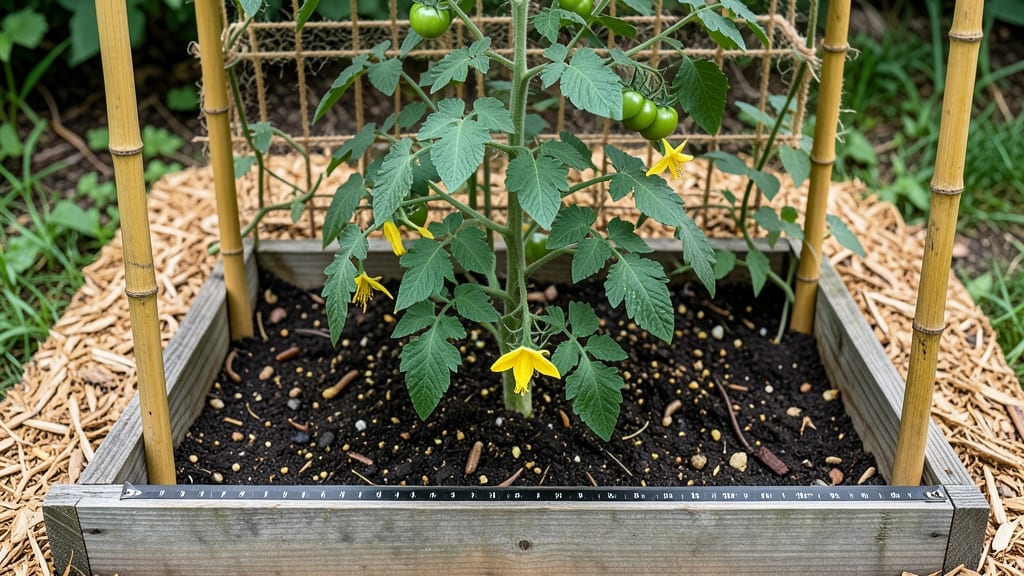
A 4x8 raised bed can fit 4 to 6 tomato plants when spaced 18–24 inches apart, with dwarf varieties allowing up to 8. Adjust spacing for indeterminate (taller) vs. determinate (bush) types, and leave 12–18 inches between rows to prevent disease spread and ensure airflow.
A 4x8 raised bed gives you about 32 square feet of growing space, but how you arrange your tomato plants makes all the difference. 🌱 Determinate varieties (like Roma or Celebrity) stay compact, so you can squeeze in more, while indeterminate types (such as Cherokee Purple) need extra room to sprawl.
The key is balancing plant size with airflow—crowding leads to fungal issues like blight, which can ruin your harvest.
For best results, I recommend placing 4-5 determinate plants along one side and 2-3 indeterminate plants on the opposite side, using a trellis to save space. This setup maximizes yield while keeping plants healthy.
If you're growing dwarf varieties, you can even fit 8 plants in a row, but monitor their growth closely to avoid overcrowding as they mature.
💡 In This Article
- Tomato Plant Spacing Rules by Type and Growth Habit
- Maximizing Tomato Yield in a 4x8 Raised Bed: Variety Pairing Strategies
Tomato plant spacing rules by type and growth habit
Determinate tomato plants—those that grow in a compact bush shape—thrive with 18–24 inches of space between each plant. Their limited height (typically 3–5 feet) and self-contained growth make them ideal for small raised beds.
For example, a 4x8 raised bed can comfortably fit 5–6 determinate plants in a single row, leaving enough room for their 2-foot-wide canopies to spread without competing for sunlight or nutrients. The key here is their predictable growth pattern, which eliminates the need for extensive trellising.
Indeterminate varieties, however, are a different story. These plants grow continuously, often reaching 6–10 feet tall with sprawling vines that need support. Their sprawling habit demands 24–36 inches of space between plants to prevent overcrowding and improve airflow—a critical factor for disease prevention.
In a 4x8 raised bed, you’d typically fit only 2–3 indeterminate plants per side, using sturdy trellises or cages to guide their vertical growth. Without proper spacing, fungal diseases like early blight spread rapidly in the humid conditions created by dense foliage.
Airflow isn’t just about disease prevention—it’s also about fruit quality. Plants with good circulation produce stronger stems and better-developed fruits. For instance, indeterminate varieties like Brandywine or Sungold need that extra space to develop heavy vines and large fruit loads without stress.
In contrast, determinate types like Roma or Celebrity focus their energy on producing a single, heavy harvest at maturity, making efficient use of their compact footprint.
Here’s a quick breakdown of spacing needs by type:
- Determinate: 18–24 inches apart, 3–5 feet tall, ideal for 5–6 plants in a 4x8 bed
- Indeterminate: 24–36 inches apart, 6–10 feet tall, limit to 2–3 plants per side with trellising
- Dwarf varieties: 12–18 inches apart, 2–3 feet tall, can fit 8 plants in a row (monitor growth)
Pro tip: If you’re mixing varieties, place taller indeterminate plants on the north side of the bed to avoid shading shorter determinate plants. This simple adjustment can boost sunlight exposure by up to 20% for your bushier companions.
Overcrowding isn’t just a theoretical risk—it’s a common mistake that leads to blight, poor fruit set, and stunted growth. I’ve seen gardens where plants were crammed too close, resulting in 50% fewer tomatoes due to disease pressure.
Proper spacing ensures your plants focus their energy on producing fruit instead of fighting for survival.