
Planting
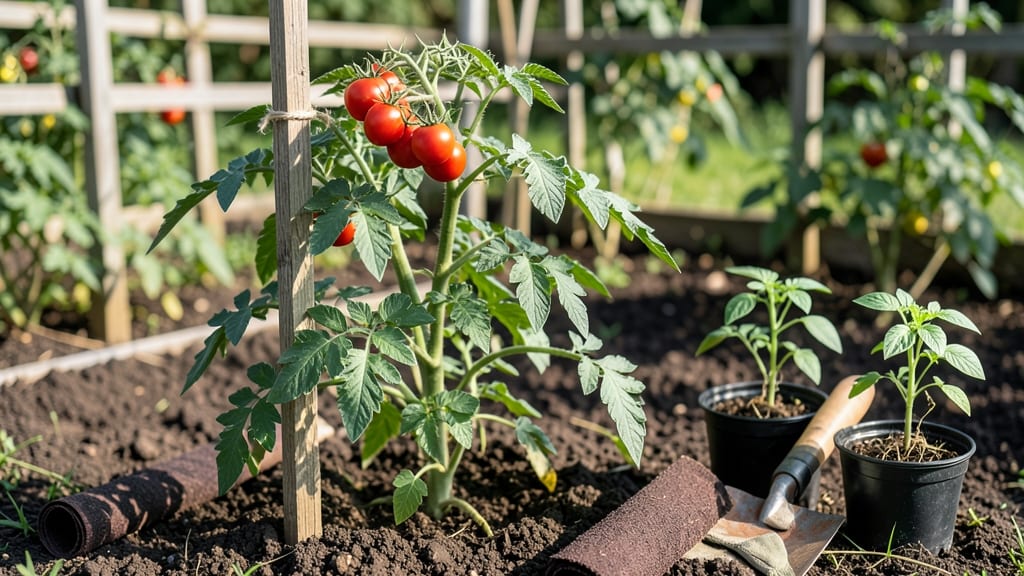
To determine how many tomato plants to plant, calculate based on variety: indeterminate types (like vining varieties) need 18-24 inches apart in rows spaced 3-4 feet apart, while determinate types (like bush varieties) thrive 24-36 inches apart in rows 3 feet apart for best growth and fruit production.
How many tomato plants you can fit depends on your garden size and the type of tomatoes you're growing. 🌱 Indeterminate varieties grow taller and sprawl more, so they need extra space to avoid crowding, which can lead to disease or poor fruit development.
Determinate types, which grow in compact bushes, can handle closer spacing but still need room for airflow. For a 10x10-foot garden, you might fit 4-6 indeterminate plants or 6-9 determinate plants, depending on your layout and sunlight access.
If you're working with containers, the rule changes—each plant gets its own pot with at least 5-gallon capacity for indeterminate types or 3-gallon capacity for determinate ones. This ensures roots have enough room to expand without competing for nutrients.
Overcrowding is the fastest way to stress your plants, so always prioritize spacing over packing in more plants.
💡 In This Article
- Tomato Plant Spacing Science: Why Proper Distance Boosts Growth
- Tomato Variety Spacing Guide: Determinate vs. Indeterminate Rules
Tomato plant spacing science: why proper distance boosts growth
The core reason for proper tomato plant spacing lies in their root systems and growth habits. Indeterminate varieties develop extensive root networks that spread horizontally, competing aggressively for water and nutrients if crowded.
When plants are spaced too closely, their roots intertwine, creating a nutrient competition that stunts growth and reduces fruit production by up to 30%.
The ideal 18-24 inches between indeterminate plants allows roots to spread freely in a 3-4 foot wide row, creating a balance between competition and resource sharing.
Sunlight exposure is another critical factor. Tomatoes need 6-8 hours of direct sunlight daily, but crowded plants cast shadows that block light penetration to lower leaves. This creates uneven ripening and increases the risk of blossom end rot, a calcium deficiency caused by inconsistent water uptake.
Proper spacing ensures every plant gets uniform light exposure, which maximizes photosynthesis and fruit development. The 3-foot row spacing for determinate varieties prevents this shading effect while still allowing enough airflow for healthy foliage.
Airflow is the third key element—tight spacing creates humid microclimates where fungal diseases like early blight and powdery mildew thrive. The recommended spacing creates cross-ventilation channels that keep humidity below 70%, the threshold where fungal spores become active.
For example, a 24-inch spacing between beefsteak tomatoes creates a 12-inch airflow gap between plants, while 36-inch spacing for Roma tomatoes provides even better disease resistance in humid climates.
Plant architecture plays a surprising role in spacing needs. Indeterminate varieties grow vertically, requiring staking or caging that takes up additional space. Their sprawling vines can reach 6-10 feet tall, so the 3-4 foot row width accommodates both the vertical growth and the horizontal spread of lower branches.
Determinate plants, which grow in compact bushes, don't need this extra width but still require 24-36 inches apart to prevent branch rubbing that damages fruit and creates entry points for pests.
Soil temperature also factors into spacing decisions. Warmer soils (70-80°F) promote faster root expansion, which is why southern gardeners often space plants slightly wider to accommodate this growth.
In cooler climates, roots grow more slowly, so slightly tighter spacing (18 inches) can work for indeterminate varieties without causing competition. The key is matching your spacing to both the variety and your local growing conditions.
Here's what happens when you get spacing wrong: Overcrowded indeterminate plants develop smaller, fewer fruits with poor flavor, while determinate plants may produce more blossom end rot due to inconsistent water distribution.
The sweet spot in spacing creates a self-regulating ecosystem where each plant gets optimal resources without competing with neighbors. 🌿