
Diseases
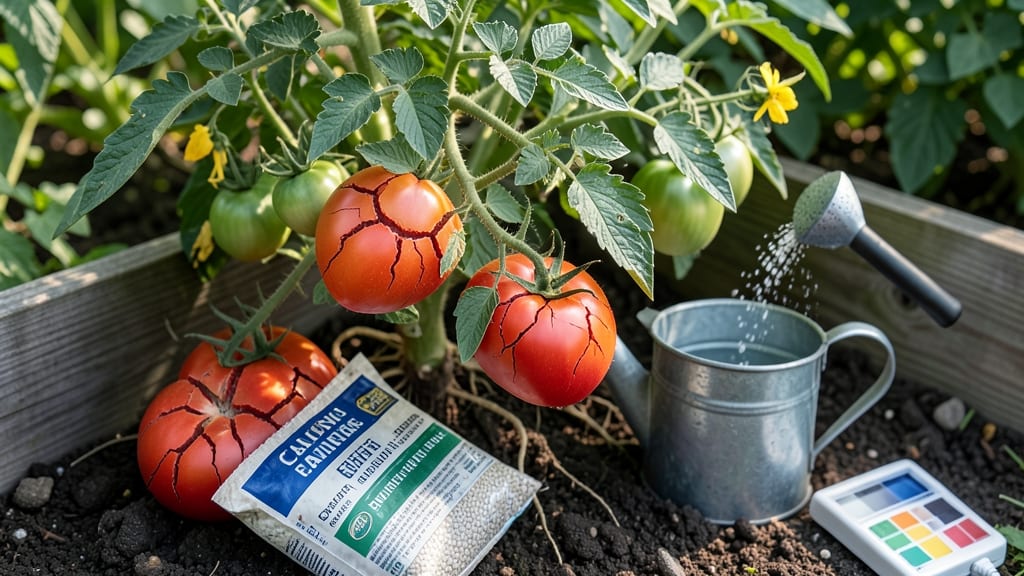
Tomato fruit cracking is due to a calcium deficiency—those unsightly splits ruin an otherwise perfect harvest. 🌱 I’ve watched my prized heirlooms develop star-shaped cracks mid-season, and I’ll never ignore soil calcium again.
The problem starts when fast-growing fruit outpaces the plant’s ability to deliver nutrients, especially during uneven watering or hot spells.
Uneven moisture is the real villain—soaking dry soil then letting it dry again creates calcium uptake chaos. Over-fertilizing with nitrogen (the "green growth" booster) worsens it by starving roots of calcium. Even slightly acidic soil (pH below 6.0) blocks calcium absorption.
The fix? Start with crushed eggshells or gypsum worked into the soil at planting, then side-dress with calcium nitrate mid-season.
You’ll see the difference in 2-3 weeks: fewer cracks, firmer fruit, and tomatoes that stay intact from vine to plate. Mulch heavily to keep moisture steady, and water consistently—never let the soil go bone-dry between drinks.
For container growers, swap tap water for rainwater or add a calcium supplement to your fertilizer routine.
This works for backyard gardens, raised beds, and even patio containers. The key is consistency—calcium isn’t a quick fix, but it’s the difference between grocery-store tomatoes and the kind that make neighbors ask, "Did you grow those?"
Root causes of tomato cracking
Tomato fruit cracking is a frustrating sight for gardeners, but understanding the underlying causes—especially nutrient deficiencies—can help you prevent it. While multiple factors contribute, one of the most critical is a lack of essential minerals that tomatoes need to develop strong cell walls and regulate water uptake.
Let’s break down the key reasons why your tomatoes might be splitting open, starting with the most common culprits.
🧪 The science: Calcium acts as a "glue" for tomato cell walls, ensuring they stay rigid and flexible enough to handle rapid growth and water fluctuations.
When calcium levels drop—often due to poor soil pH, uneven watering, or excessive nitrogen—cells weaken, leading to radial cracks (splits that radiate from the stem outward).
- Why it happens: - Imbalanced soil pH: Calcium absorbs best in slightly acidic to neutral soil (pH 6.0–6.8).
If your soil is too alkaline or acidic, plants struggle to uptake it. - Inconsistent watering: Uneven moisture causes cells to expand and contract abruptly, stressing weak walls.
Drought followed by heavy rain is a classic trigger. - Over-fertilization with nitrogen: Too much nitrogen promotes leafy growth at the expense of calcium, starving the fruit. - Root damage or poor drainage: Roots can’t absorb calcium efficiently if compacted or waterlogged.
💡 Pro tip: Test your soil’s calcium levels with a DIY kit or send a sample to a lab. If deficient, amend with gypsum (calcium sulfate) or crushed eggshells (steep in water for 24 hours before using).
💧 The science: Potassium helps tomatoes manage water pressure inside fruit. Without enough potassium, cells become overly sensitive to moisture changes, leading to concentric cracks (ring-shaped splits around the fruit’s circumference).
- Why it happens:
- Overwatering or poor drainage: Excess water dilutes potassium in the soil, making it unavailable to roots.
- High temperatures: Heat increases transpiration (water loss), forcing plants to pull more water—and potassium—from the soil faster than they can replenish it.
- Leaching: Sandy or peaty soils wash away potassium quickly, especially after rain.
- Competition from weeds: Weeds absorb potassium, leaving your tomatoes deprived.
🌡️ Pro tip: Apply a potassium-rich fertilizer (like greensand or potassium sulfate) 2–3 weeks before harvest to bolster reserves. Mulch with well-rotted compost to retain moisture and nutrients.
🍃 The science: Magnesium is crucial for chlorophyll production and enzyme activation, which indirectly supports calcium uptake. A magnesium deficiency can mimic calcium deficiency symptoms, including blossom-end rot (blackened bottoms) and cracking.
- Why it happens:
- Heavy clay or acidic soils: Magnesium binds tightly to soil particles, making it hard for roots to access.
- Excessive rainfall: Frequent leaching flushes magnesium out of the root zone.
- Overuse of synthetic fertilizers: High phosphorus or potassium fertilizers can displace magnesium in the soil.
🔥 Pro tip: Sprinkle Epsom salt (magnesium sulfate) around plants at 1 tablespoon per gallon of water, applied every 2–3 weeks. Avoid overdoing it—magnesium toxicity is rare but possible in sandy soils.
🔬 The science: While less common, boron and zinc deficiencies can weaken cell walls and disrupt hormone balance, contributing to cracking. Boron is especially vital for cell division in fruit, while zinc aids in auxin (growth hormone) production.
- Why it happens:
- Soil depletion: Boron and zinc are often lacking in organic soils or after repeated planting.
- High soil pH: Boron becomes less available in alkaline conditions (pH > 7.0).
- Over-farming: Frequent harvests without soil amendments deplete micronutrients.
✨ Pro tip: Use a balanced micronutrient spray (like a 0.1% borax solution or zinc sulfate) early in the season to prevent deficiencies. Test soil annually to monitor levels.
🌦️ The science: Even with perfect nutrients, rapid growth spurts or extreme weather can overwhelm tomato plants, causing cracks. Think of it like a balloon stretching too fast—it’s bound to pop.
- Why it happens: - Sudden growth: Tomatoes grow 1–2 inches per day during peak season.
If they outpace calcium absorption, cracks form. - Temperature swings: Hot days followed by cool nights disrupt water uptake. - Hail or physical damage: Bruises create weak spots where cracks start.
🎯 Pro tip: Prune suckers to slow rapid growth and shade plants during heatwaves. Use drip irrigation to maintain steady moisture—never let soil dry out completely between waterings.
Fixing Cracked Tomatoes Naturally
Now that you know the root cause—often a calcium deficiency—let’s tackle the problem with practical, garden-friendly solutions. Whether your tomatoes are splitting due to uneven watering, extreme weather, or poor soil health, these fixes will help you salvage your harvest and prevent future cracks.
If your soil lacks calcium, your tomatoes won’t develop strong cell walls, leading to splits. Here’s how to correct it:
- 🔥 Boost Calcium with Organic Amendments - Mix crushed eggshells (baked and ground) or crushed oyster shells into the soil before planting.
These dissolve slowly, releasing calcium over time. - Use calcium-rich compost or bone meal (follow package instructions) for a quick nutrient boost. - Pro Tip: 💡 Sprinkle a handful of eggshells around the base of mature plants and water thoroughly—this gives roots immediate access to calcium.
- 💧 Water Wisely to Prevent Stress - Deep, consistent watering (1–2 inches per week) is key.
Avoid shallow sprinkling, which causes uneven moisture and splits. - Mulch heavily (straw, grass clippings, or wood chips) to retain moisture and prevent soil temperature swings, which stress plants. - Morning watering is best—wet soil absorbs nutrients better, and evening water can encourage fungal issues.
Extreme heat, cold snaps, or rapid growth spurts can trigger cracks. Adjust your growing conditions to keep tomatoes stable:
- 🌞 Shield from Sudden Temperature Shifts
- Use shade cloth (30–50%) during scorching afternoons, especially in peak summer.
- Row covers can protect young plants from late frost or early cold snaps.
- Pro Tip: 🌡️ If a heatwave is forecasted, prune lower leaves to improve airflow and reduce stress on the plant.
- ⏰ Slow Down Rapid Growth
- Over-fertilizing with nitrogen (especially in early stages) leads to fast, weak growth. Switch to a balanced 5-10-10 fertilizer or fish emulsion for steady, healthy development.
- Side-dress with compost mid-season to provide slow-release nutrients without shocking the plant.
If your tomatoes are already splitting, act fast to minimize damage and save what you can:
- 🔪 Harvest & Use Cracked Tomatoes ASAP
- Cook or can them immediately—cracks make them prone to rot, but heat processing (sauces, salsas, or jam) locks in flavor and prevents spoilage.
- Avoid eating raw if cracks are deep, as they can harbor bacteria.
- 👨🍳 Revive Stressed Plants with Foliar Sprays
- Mix 1 tbsp calcium chloride or unsulfured lime per gallon of water and spray leaves (early morning or late evening). This gives plants a quick calcium boost.
- Repeat every 7–10 days until new growth is firm and cracks stop appearing.
Stop cracks before they start with these long-term strategies:
- 📊 Test Your Soil
- Use a home soil test kit (or send a sample to a local extension office) to check calcium (Ca) and pH levels. Aim for pH 6.0–6.8 and calcium levels above 1,000 ppm.
- 🥗 Choose Crack-Resistant Varieties
- Some tomatoes are naturally more resistant to splitting. Try:
- Roma (thick-skinned, less prone to cracks)
- San Marzano (meaty, firm flesh)
- Brandywine (if you prefer heirlooms, opt for the "Red Brandywine" strain)
- Some tomatoes are naturally more resistant to splitting. Try:
- 🌱 Plant at the Right Time
- Wait until soil is warm (60°F+) before transplanting seedlings. Cold soil slows calcium uptake.
- Space plants 18–24 inches apart for proper airflow and root development.
By combining soil amendments, smart watering, and weather protection, you’ll grow tomatoes with smooth, unblemished skins—no more sad, split fruit! 🍅✨
Frequently asked questions about tomato cracking
What’s the difference between radial and concentric tomato cracks?
Radial cracks (star-shaped splits radiating from the stem) usually signal a calcium deficiency, while concentric cracks (ring-shaped splits around the fruit) often mean potassium shortage or uneven watering. The shape helps pinpoint which nutrient your plants need most.
Can I fix cracked tomatoes once they’ve already split?
For immediate use, harvest and cook them into sauces or salsas—the heat seals the flavor and prevents spoilage. Deep cracks may harbor bacteria, so avoid eating raw. For future prevention, focus on consistent watering and calcium-rich soil amendments.
How often should I water tomatoes to prevent cracking?
Water deeply 1–2 inches per week, keeping soil consistently moist but not soggy. Morning watering works best—avoid evening sessions that can encourage fungal issues. Mulch heavily to retain moisture and reduce temperature swings that stress plants.
Are there tomato varieties less prone to splitting?
Yes! Thick-skinned varieties like Roma, San Marzano, or Brandywine handle moisture better. For heirlooms, choose strains bred for firmness. Even with resistant varieties, proper calcium and consistent watering are key to preventing cracks.
Why do my tomatoes crack even with regular fertilizer?
Over-fertilizing with nitrogen (the "green growth" booster) can starve roots of calcium, causing cracks. Switch to a balanced 5-10-10 fertilizer and side-dress with compost mid-season. Test your soil pH—calcium absorbs best in 6.0–6.8 range.