
How To
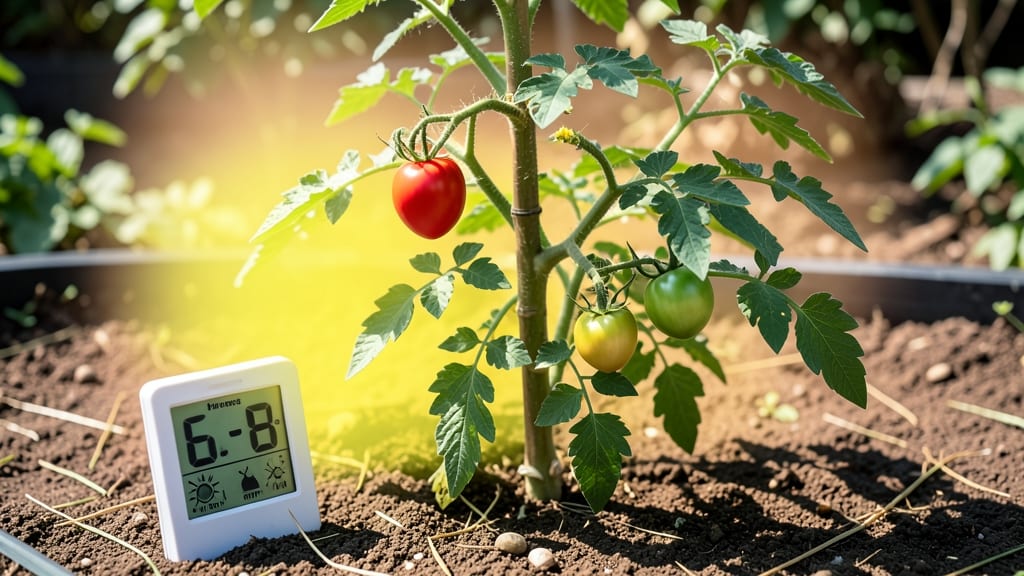
How much sun do tomato plants need? The answer is 6 to 8 hours of direct sunlight daily 🍅 for peak fruit production, but too much or too little can sabotage your harvest.
Picture this: you’ve nurtured your seedlings for weeks, only to end up with bitter, undersized tomatoes—or worse, no fruit at all. The culprit? Sunlight exposure that’s either too intense or too weak. Most gardeners overlook the fine line between "enough" and "excess," and that’s where the real trouble starts.
In this guide, I’ll break down the exact sunlight requirements for your tomatoes, whether you’re growing bush varieties or sprawling vines. You’ll learn how to spot signs of sun stress, adjust for partial shade, and even tweak your setup for hot climates where afternoon shade becomes a game-changer.
By the end, you’ll know not just how much sun your tomatoes need, but also when to rotate them, how to monitor light levels, and the simple tricks that turn lackluster plants into prolific producers.

Optimal sunlight hours for tomato plants by variety (indeterminate vs determinate)
Not all tomatoes are created equal when it comes to sunlight needs. Indeterminate varieties like Cherry Tomatoes and Beefsteak grow continuously, while determinate types like Roma or Bush Early Girl set fruit in one flush.
This means their sun requirements differ slightly—especially in how they handle partial shade or intense afternoon heat. Let’s break down the exact hours each type needs for peak production.
For most tomato varieties, 6-8 hours of direct sunlight is the sweet spot. However, indeterminate tomatoes—those that keep growing and producing all season—often thrive with 8+ hours to maximize fruit set.
Determinate varieties, which grow to a fixed size and produce fruit in one cycle, can sometimes tolerate 6 hours of full sun, but their yields will suffer without more light.
The key difference lies in their growth habits: vining indeterminates need more sun to support their sprawling nature, while bushy determinates can handle slightly less but still demand plenty.
Here’s the critical distinction: indeterminate tomatoes require consistent sunlight throughout the day to prevent blossom drop or poor fruit development. Determinate types are more forgiving but still need at least 6 hours daily to avoid leggy growth or small, underdeveloped fruits.
If you’re in a hot climate, afternoon shade can help prevent sunburn, but morning sun is non-negotiable for both types.
Pro Tip: Use a sunlight tracker or observe your garden’s light patterns. If your tomatoes are in partial shade (e.g., under trees or near a fence), rotate them weekly to ensure even exposure. This is especially important for indeterminate varieties, which can become one-sided if light is uneven.
If you’re growing tomatoes in partial shade, prioritize the brightest hours of the day—typically 10 AM to 4 PM. For indeterminate varieties, even 4-6 hours of direct sun can lead to stunted growth or blossom end rot.
In contrast, determinate types might survive with 5-6 hours, but their fruit will be smaller and less flavorful. My Roma tomatoes in a west-facing garden get 6 hours of afternoon sun, and while they produce, I supplement with a reflective mulch to boost light exposure.
Regional adjustments matter too. In hot climates (Zones 8-10), provide afternoon shade to prevent sunscald, but ensure morning sun remains unobstructed. In cooler climates (Zones 3-6), extend sunlight with reflective surfaces or south-facing walls.
I’ve even used white plastic milk jugs as makeshift reflectors to bounce extra light onto my indeterminate cherry tomatoes in early spring.
Watch for signs of sun stress, like yellowing leaves or white patches on fruit (sunscald). If your tomatoes are leggy or pale, they’re not getting enough light. Conversely, wilting or crispy leaves signal too much sun, especially in high heat.
The goal is balanced sunlight: enough to fuel growth but not so much it causes damage. For container-grown tomatoes, rotate pots weekly to ensure even exposure on all sides.
For urban gardeners or those with limited space, vertical trellises can maximize sunlight for indeterminate varieties. Train vines upward to capture light that might otherwise be lost to sprawling growth.
I’ve seen Sungold tomatoes on a 3-foot trellis produce just as well as those in ground beds—sometimes better—because the fruits get unobstructed sunlight from multiple angles. Pair this with pruning to improve airflow and light penetration to lower leaves.
Finally, don’t over
Signs your tomato plants aren’t getting enough (or too much) sun
Tomato plants are sun-worshippers—when they don’t get enough light, they’ll send you clear distress signals like leggy stems and small, pale leaves. These signs often mimic nutrient deficiencies, but the real culprit is usually insufficient sunlight.
Even worse, too much sun can scorch leaves and reduce fruit quality, leaving you with bitter, undersized tomatoes.
I’ve seen gardeners blame poor harvests on pests or soil issues when the problem was simply sunlight imbalance. Whether your plants are stretching toward the sky or wilting under the midday heat, recognizing these visual cues is the first step to fixing the issue.
Let’s identify the key warning signs and how to correct them before your harvest suffers.
⚠️ How Much Sun Do Tomato Plants Really Need?
Tomatoes thrive with 6-8+ hours of direct sunlight daily. Indeterminate varieties (vining types) need the most light, while determinate bushes tolerate slightly less—but never drop below 5 hours or fruit production will suffer. Partial shade (3-5 hours) can work in hot climates, but expect smaller yields and poorer flavor.
Too much sun (especially in 100°F+ heat) causes leaf scorch and sunburn, while too little leads to weak stems and blossom drop. The key? Balance—rotate plants weekly for even exposure and use shade cloth in peak afternoon heat.
If your tomato plants are stretching upward with long, thin stems between leaves, they’re reaching for sunlight. This etiolation happens when plants don’t get enough light, causing weak, floppy growth that snaps easily in wind or rain.
Check the top leaves—if they’re small and pale while lower leaves are dark green, your plants are light-starved.
On the flip side, leaf edges turning crispy or white signals sunburn, often from intense afternoon heat. You might also spot yellow patches on upper leaves, a classic sign of over-exposure.
In extreme cases, fruits develop white, leathery scars—a sure sign of too much direct sun. Both issues reduce your plant’s ability to photosynthesize efficiently and produce quality fruit.
To fix under-exposure, move plants to a sunnier spot or use reflective surfaces (like white walls or mirrors) to bounce light onto leaves.
For over-exposure, provide afternoon shade with 30-50% shade cloth during peak heat hours. Rotate plants weekly to ensure even growth and prevent one-sided sun stress.
Pay attention to your fruit development too. Green, hard tomatoes that stay small often mean insufficient light, while blossoms dropping off can signal either too much heat or too little sun.
The solution? Consistent sunlight—aim for 6+ hours daily and adjust based on your local climate. With the right balance, your tomatoes will reward you with juicy, flavorful harvests all season long.