
Companion Plants
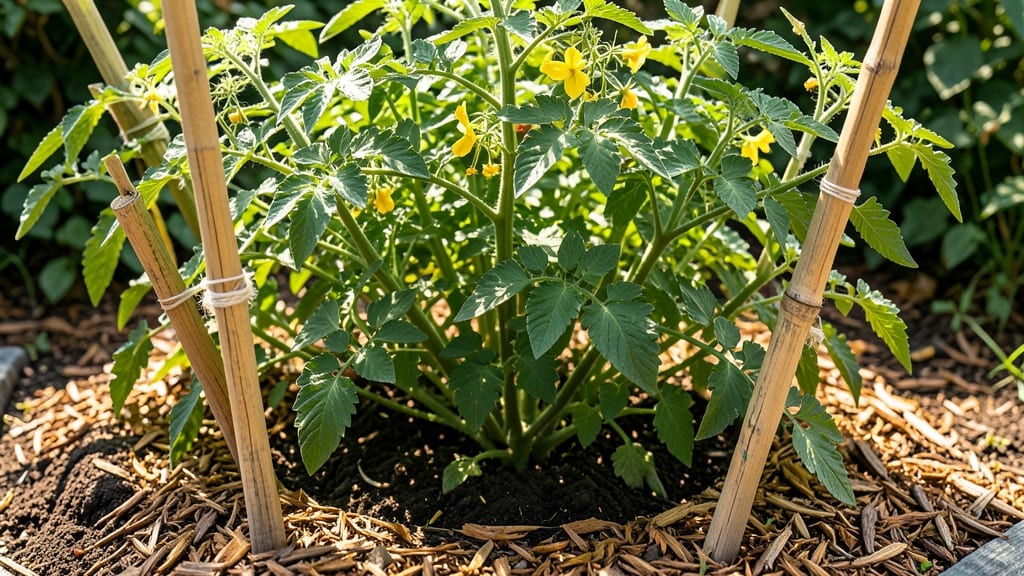
Indeterminate cherry tomato plants keep producing sweet fruit until frost—if you give them the right support, soil, and care. 🌱 Last summer, my vines stretched 10 feet tall and still yielded pints of tomatoes every week until October, proving these aren't just pretty—they're powerhouses when grown right.
The secret starts with well-draining soil mixed with compost and a sturdy trellis or cage (I use 6-foot bamboo stakes for mine). Plant them deep—bury half the stem—and space vines 18-24 inches apart. Water consistently at the base (never overhead) and fertilize lightly every 3-4 weeks once fruit sets.
Prune suckers regularly to keep energy flowing to those red jewels. By mid-summer, you'll be harvesting pounds of tomatoes weekly, with vines still climbing and fruiting. The flavor? Bursting with sweetness, especially when you let a few ripen fully on the vine.
Plus, the vines create this stunning vertical display that makes your garden the talk of the neighborhood. Works in containers too—just use a 5-gallon pot and a tomato cage. The key is patience; these vines grow fast, but the payoff is worth every inch of vertical space they claim.
📚 In This Guide
- What you need
- Instructions
- Tips and common mistakes
- Wrapping up and next steps
What you need
- ● Indeterminate cherry tomato seeds or seedlings: Choose disease-resistant varieties like 'Sweet 100,' 'Sun Gold,' or 'Tiny Tim.' (2–4 plants per gardener is ideal!)
- ● Well-draining potting mix: 5–10 gallons, enriched with compost (avoid garden soil—it can harbor pests).
- ● Containers or garden space: Containers: 5-gallon pots or larger (at least 12–18 inches deep) with drainage holes.
- ● Garden beds: Full sun (6–8+ hours daily) and loose, fertile soil with a pH of 6.0–6.8.
- ● Tomato cages or trellis: Sturdy 5–6 ft tall cages or a strong trellis system to support vines (1 per plant).
- ● Organic fertilizer: Balanced 10-10-10 or tomato-specific fertilizer (follow package rates).
- ● Mulch: Straw or shredded leaves (2–3 inches) to retain moisture and suppress weeds.
- ● Hand trowel or transplanting spade
- ● Watering can or hose with a gentle spray nozzle
- ● Pruning shears (sterilized with rubbing alcohol)
- ○ Gloves (optional but recommended for handling prickly vines)
- ● Drip irrigation kit for consistent watering
- ● Copper tape or row covers to deter pests
- ● Epsom salt (1 tbsp/month) for magnesium boosts
- ● Plant stakes + soft ties for extra vine support
How to grow indeterminate cherry tomatoes for a never-ending harvest
These vining powerhouses keep producing all season—here’s how to coax maximum fruit from them.
🌱 Step 1: Choose the Right Variety and Planting Location
Indeterminate cherry tomatoes like 'Sweet 100,' 'Sun Gold,' or 'Tumbling Tom' grow continuously until frost. Plant them in full sun (8+ hours daily) with 6-8 feet of vertical space—they’ll climb trellises or cages aggressively. I always pick a spot near a fence or sturdy trellis, because these vines can reach 10+ feet if given the chance.
Wait until soil warms to 60°F+—cold soil stunts root growth. If starting from transplants, harden them off for 7-10 days before planting. You’ll know they’re ready when leaves look firm and vibrant, not wilted or yellowed.
☀️ Step 2: Support Vines Early to Prevent Disease and Breakage
Install a 5-6 foot tall trellis or sturdy cage at planting time. Indeterminate tomatoes need support from day one—waiting until vines get heavy invites rot and stem snapping. I use a wooden teepee for a rustic look or metal cages for durability in windy areas.
Tie the main stem to the support with soft plant ties every 12-18 inches as it grows. Watch for suckers (side shoots in leaf axils)—remove them early to direct energy to fruit, not foliage. Prune suckers when they’re 2-3 inches long to avoid tearing the stem.
💧 Step 3: Water Deeply and Consistently for Sweet Fruit
Indeterminate cherry tomatoes need 1-1.5 inches of water weekly, delivered at the base—not overhead. Drip irrigation or soaker hoses keep soil evenly moist without wetting leaves, which prevents fungal diseases like blight. You’ll see the best flavor when fruit ripens slowly under steady moisture.
Let the top 1-2 inches of soil dry between waterings to prevent root rot, but never let the plant wilt. Mulch with 2-3 inches of straw or shredded leaves to retain moisture and keep fruit off damp soil. I always check soil moisture by squeezing a handful—it should feel damp like a wrung-out sponge, not bone-dry or soggy.
✂️ Step 4: Prune and Harvest for Maximum Production
Prune aggressively to improve airflow and fruit quality. Remove suckers (those little shoots between main stem and branches) weekly—keep only the top 3-4 main stems for heavy fruiting. I pinch off the first few suckers myself, but for large plants, I use pruning shears to avoid damaging the vine.
Harvest cherries when they’re fully colored and slightly soft to the touch—usually 2-3 weeks after flowering. Pick consistently to encourage more blooms. Leave a tiny stem attached to prevent sunscald on exposed fruit. You’ll know you’re harvesting at the right time when tomatoes pop easily off the vine with a gentle twist.
🌿 Step 5: Extend the Season with Care
These vines keep producing until frost, but they slow down in heat waves. When temps hit 90°F+, shade cloth (30-50%) protects fruit from sunscald. I also water more frequently in heat—2-3 times weekly—to keep soil cool and roots hydrated.
Fertilize lightly every 3-4 weeks with a balanced 10-10-10 or tomato-specific feed. Too much nitrogen makes leaves explode but stunts fruit. You’ll see the best results when vines stay lush but never leggy—always prioritize fruit over foliage.
Tips & tricks for maximizing your indeterminate cherry tomato harvest
Real talk: These vines are like the marathon runners of the garden—they'll keep producing until frost if you give them the right conditions. Here's how to turn their potential into a bounty.
Sunlight Strategy: That 8+ hours of daily sun isn't just a suggestion—it's non-negotiable for these powerhouses. I've seen plants in partial shade produce, but the fruit gets smaller and less flavorful. If your garden has afternoon shade, consider a reflective surface like white gravel or a pale-colored wall to bounce extra light onto the vines. And remember: Morning sun is ideal because it helps dry dew quickly, reducing disease risk.
Support System: Don't wait until the vines are heavy to install your trellis or cage—do it at planting time. I learned this the hard way when a 10-foot vine snapped under its own weight. Use soft plant ties (not wire) every 12-18 inches to avoid damaging the stem. For windy areas, I recommend metal cages over wooden teepees—they're more stable when fully loaded with fruit.
Watering Wisdom: The 1-1.5 inches weekly guideline is perfect, but timing matters just as much. Water in the morning so leaves have all day to dry, which prevents fungal diseases. I set up drip irrigation on a timer for my tomatoes—it delivers water right at the base without wetting the foliage. And that 1-2 inch dry topsoil rule? Use your finger to check—it should feel like a damp sponge, not a wet rag or bone-dry dirt.
Heat Management: When temperatures hit 90°F+, these vines slow down their production. That's when I bring out my 30% shade cloth—it keeps the fruit from cooking in the sun while still allowing plenty of light. You'll notice the plants perk right back up and start flowering again within days. And in heat waves, I increase watering to 2-3 times weekly, always checking that top 2 inches of soil stays slightly dry.
Pro Tips for Indeterminate Cherry Tomato Plants
- Real talk: These vines are like the marathon runners of the garden—they'll keep producing until frost if you give them the right conditions.
- Sunlight Strategy: That 8+ hours of daily sun isn't just a suggestion—it's non-negotiable for these powerhouses.
- Support System: Don't wait until the vines are heavy to install your trellis or cage—do it at planting time.
Frequently asked questions
Got questions about indeterminate cherry tomato plants?
You're not alone! Here are answers to the most common queries from gardeners just like you.
How do indeterminate cherry tomatoes differ from determinate varieties?
Indeterminate cherry tomatoes keep growing and producing fruit all season—no set harvest window! Determinate varieties stop growing after flowering and yield a single, heavy crop. Indeterminate vines need staking or trellising and pruning, but they reward you with continuous harvests until frost.
When should I plant indeterminate cherry tomato seeds or seedlings?
Start seeds indoors 6-8 weeks before your last frost date, or transplant seedlings after soil reaches 55°F+. In warm climates (zones 8-10), plant in early spring—they thrive with consistent warmth. Frost-sensitive vines need protection after 50°F nights.
Can I grow indeterminate cherry tomatoes in containers?
Use a 5-gallon+ container with drainage, fill with lightweight potting mix, and provide a sturdy trellis or cage. Dwarf or bushier varieties (like 'Tiny Tim') work best, but standard vines need pruning to stay compact. Just ensure containers get 6+ hours of sun daily.
Why aren’t my indeterminate cherry tomatoes fruiting—just leaves?
Check for these fixes:
- Light: Need 6-8+ hours of sun daily.
- Water: Keep soil consistently moist (not soggy).
- Nutrients: Add balanced fertilizer (10-10-10) when flowering starts.
- Pests: Inspect for aphids or whiteflies that sap energy.
What’s the best companion plant for indeterminate cherry tomatoes?
Pair them with:
- Basil (repels pests, boosts flavor).
- Marigolds (deter nematodes).
- Avoid: Fennel, brassicas (cabbage family), or corn (compete for nutrients).
Wrapping up and next steps
Growing indeterminate cherry tomato plants is a rewarding journey that turns your garden into a juicy, never-ending harvest! 🌱 With their sprawling vines and continuous fruiting, these plants are perfect for both beginners and seasoned gardeners alike.
Whether you're trellising them vertically or letting them cascade in containers, the key is patience, proper care, and a little creativity.
Now that you’re armed with tips and answers to common questions, it’s time to get your hands dirty! Start by selecting the perfect spot, planting your seedlings, and watching your garden transform into a lush, productive oasis. Happy gardening—your future salads and snacks are waiting! 🍅✨