
How To
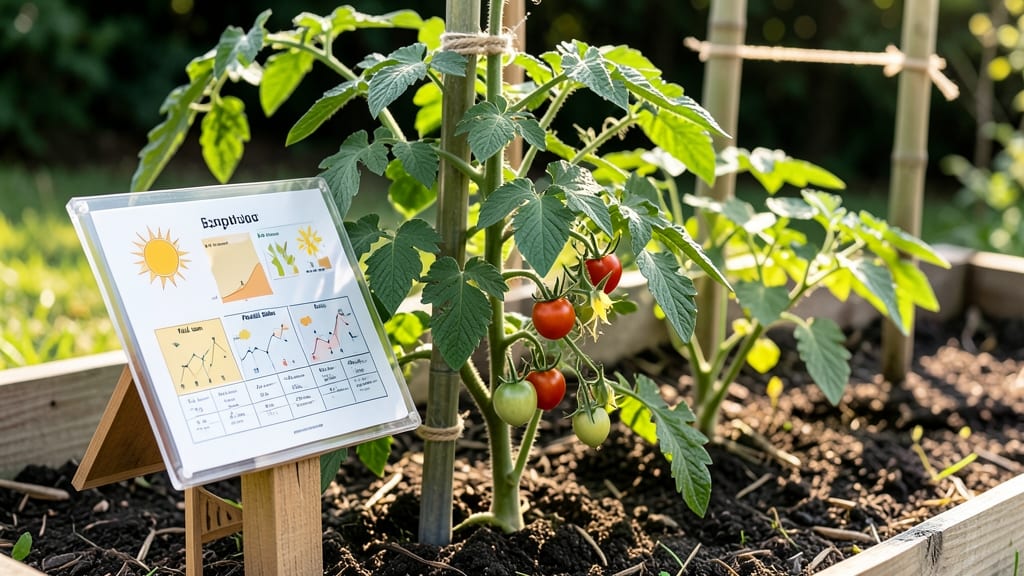
Tomato plants need how much sun do tomato plants need—6 to 8+ hours of sunlight daily—for peak growth and flavor, but hitting that sweet spot isn’t as simple as plopping them in the sunniest patch of your yard.
Too little light means leggy, weak plants and bland fruit, while too much can scorch leaves and stunt production. The trick is balancing intensity with timing—especially in Zone 6a where spring and summer sun patterns shift dramatically.
In this guide, I’ll break down the exact sunlight thresholds your 🍅 plants need at each growth stage, how to spot signs of over- or under-exposure, and simple adjustments (like shade cloth or strategic pruning) to protect your harvest.
Whether you’re dealing with afternoon shade or relentless midday heat, you’ll learn how to tweak placement for juicier tomatoes—without guessing.

Optimal sunlight hours for tomato plants by growth stage
Tomato plants are famously sun-loving, but their sunlight needs change dramatically as they grow. Seedlings require gentle care with 6–8 hours of sun daily, while mature plants thrive with 8–10+ hours of direct sunlight.
Understanding these stages helps you avoid leggy seedlings or sunburned leaves. The key is balancing light exposure with your plant’s developmental needs—too little stunts growth, while too much can stress the plant.
For seedlings (0–4 weeks), aim for 6–8 hours of sunlight in a sheltered spot. Use a south-facing window indoors or place them under grow lights for 12–14 hours/day if natural light is limited. This prevents etiolation (stretched, weak stems) while avoiding harsh midday sun that can scorch tender leaves.
Once seedlings develop their first true leaves, gradually increase their sun exposure over 5–7 days to harden them off.
Young plants (4–8 weeks) need 8–10 hours of sunlight daily as they transition to outdoor conditions. This is when they start forming flower buds, and insufficient light can lead to poor fruiting or blossom drop. If your garden gets partial shade, prioritize morning sun (6 AM–12 PM) and supplement with afternoon shade cloth (30–50% shade) to protect leaves. Varieties like Cherry tomatoes are more forgiving in partial shade than heirloom beefsteaks, which demand full sun.
At the mature stage (8+ weeks), tomato plants crave 10–12+ hours of sunlight daily to produce flavorful, high-yield fruit. This is when they’re most active in photosynthesis, converting sunlight into energy for fruit development.
If your garden only gets 6–8 hours of sun, consider growing determinate varieties (like Roma or Bush Early Girl) that produce fruit faster in lower light.
For indeterminate varieties (e.g., Sungold or Brandywine), you’ll need to supplement with reflective surfaces (like white walls or mulch) to bounce extra light onto leaves.
During the fruiting stage, even 8–10 hours of sun can work if the light is intense and direct, but anything less risks blossom end rot or poor flavor. If your tomatoes start looking pale or leggy, they’re begging for more light.
Try moving them to a sunnier spot or prune nearby trees/shrubs blocking sunlight. In high-intensity sun zones (like deserts), use shade cloth (30%) during peak hours (11 AM–3 PM) to prevent leaf burn while still allowing plenty of light for fruiting.
Regional adjustments matter! In northern climates (e.g., Zone 4–5), tomatoes get longer daylight hours in summer (15+ hours), so focus on evening shade to prevent heat stress. In southern climates (e.g., Zone 8–10), midday shade is critical to avoid wilting.
Always monitor your plants: yellowing leaves signal too little light, while crispy edges mean too much. A little flexibility goes a long way!
Pro tip: Use a sunlight tracker (like a simple timer or app) to log daily sun hours in your garden. This helps you spot patterns, like afternoon clouds that might reduce light by 2+ hours.
For container growers, place pots on wheelbarrows or stands to rotate them toward the sun as it moves across the sky. Even 5–10 extra minutes of sun per day can boost your harvest’s sweetness and size.
Remember, tomatoes are opportunistic growers—they’ll stretch toward light if needed, but they’ll never match the flavor and yield of plants getting their ideal sunlight. Start with the right placement, adjust as they grow, and soon you’ll be harvesting juicy, vine-ripened tomatoes that taste like summer in every bite. 🍅
How to tell if your tomato plants are getting too much or too little sun
Your tomato plants might be silently screaming for help if they’re not getting the right amount of sunlight. Too little leads to weak stems and poor fruit set, while too much causes leaf burn and stunted growth.
The key is learning to read their visual cues—like leaf color, growth patterns, and even flower development—to adjust their sun exposure before it’s too late.
Start by checking the leaves for yellowing or browning edges, which often signal sunlight stress. Indeterminate varieties (like 'Sungold') need 8–10+ hours of direct sun, while determinate types (like 'Roma') tolerate 6–8 hours better.
But even the hardiest tomatoes will show signs if their light balance is off, and the fixes are simpler than you think.
⚠️ Sunlight Warning Signs for Tomatoes
Too Little Sun: Leggy stems, pale yellow leaves, few flowers, and small, bland-tasting fruit. Plants stretch toward light sources like windows or fences.
Too Much Sun: Crispy, brown leaf edges (leaf burn), wilting during peak afternoon heat, and fruit that ripens unevenly or cracks. High humidity + intense sun = stress.
Quick Fixes: Move plants to morning sun + afternoon shade (use shade cloth if needed). Prune lower leaves to improve airflow and reduce heat stress.
If your tomato plants are stretching upward with long, thin stems and sparse leaves, they’re begging for more light. This etiolation happens when seedlings or mature plants don’t get enough sun, and it’s a red flag for poor fruit production.
Try relocating them to a sunnier spot or supplementing with a grow light for 12–14 hours/day indoors.
On the flip side, if leaves develop brown, crispy edges—especially on the upper sides—your plants are sunburned. This is common in hot, dry climates or when tomatoes are suddenly exposed to intense afternoon sun.
Provide 30–50% shade cloth during peak hours (11 AM–3 PM) to protect them while still allowing enough light for photosynthesis.
Don’t overlook the flowers and fruit as clues. Tomatoes that receive too little sun may produce fewer flowers or drop blossoms entirely, while those with too much might develop blossom end rot (black, sunken spots on fruit) due to uneven water absorption.
Adjusting sun exposure can prevent these issues and lead to a bigger, tastier harvest.
Pro tip: Observe your plants at different times of day. If they wilt dramatically by mid-afternoon but recover in the evening, they’re likely overheated. Mulch heavily with straw or wood chips to retain soil moisture and reduce temperature fluctuations.
For container growers, move pots to shadier spots during heatwaves to prevent root stress.
With a little attention to these visual cues, you’ll master the sunlight sweet spot for your tomatoes—and enjoy juicy, flavorful fruit all season long. 🌱☀️✂️