
Fertilization
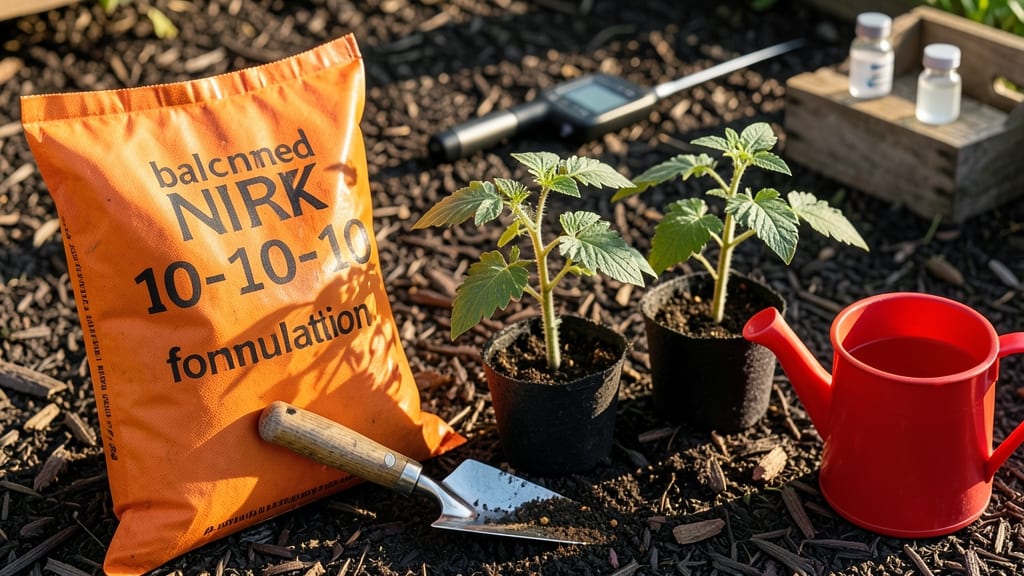
To fertilize tomato seedlings properly, you’ll want to start with a light feed every 2–3 weeks once the first true leaves appear — but timing and strength matter just as much as the fertilizer itself.
Picture this: you’ve nurtured your 🍅 seedlings for weeks, only to see them wilt or burn after a single overzealous feeding. That’s why most gardeners skip the fertilizer entirely in the early stages — and why the first 4–6 weeks are all about balance.
Here’s the truth: seedlings don’t need much to thrive. Too much nitrogen too soon will send them into a growth spurt at the expense of roots, while synthetic fertilizers can scorch tender leaves. The key is a gentle, organic approach that matches their tiny size and rapid development.
In this guide, I’ll walk you through the exact schedule for seedlings, how to switch to heavier feeding once they’re transplanted, and the telltale signs you’ve gone overboard. No guesswork, just science-backed steps to set your plants up for a bumper harvest.

Optimal fertilizing frequency for tomato seedlings by growth stage
Tomato seedlings need precise fertilization timing to avoid stunted growth or fertilizer burn. Unlike mature plants, seedlings are delicate and require gentle nutrient doses at the right stages. Skipping this step often leads to weak stems or leaf scorch—both red flags for over-fertilization.
Let’s break down the exact schedule for each growth phase, from seed to transplant.
The key is understanding that seedlings don’t need heavy feeding until they’ve developed their first true leaves. Before that, focus on moisture and light. Once those leaves appear, you can introduce a low-dose fertilizer to support root development.
The biggest mistake? Using the same fertilizer strength you’d use on mature plants—this is how seedlings get burned.
| Growth Stage | Fertilizing Frequency | Nutrient Focus | Fertilizer Type | Dilution Ratio |
|---|---|---|---|---|
| Pre-Sprout (Seed Stage) | None | Moisture & Warmth | Seed starter mix | N/A |
| First True Leaves | Every 3-4 weeks | Nitrogen (N) | Balanced 5-5-5 | ½ tsp per gallon |
| Transplant Prep (4-6 weeks) | Every 2 weeks | Phosphorus (P) | Fish emulsion | 1 tbsp per gallon |
| Post-Transplant (1-2 weeks) | Every 3 weeks | Potassium (K) | Compost tea | 1:10 ratio |
| Flowering Stage | Every 2 weeks | Balanced NPK | 10-10-10 | 1 tbsp per 5 gallons |
At the pre-sprout stage, your focus should be on maintaining consistent soil moisture and warmth. Seeds don’t need fertilizer—they’ll draw nutrients from the seed itself. Once you see the first true leaves (not the initial seed leaves), it’s time for a light nitrogen boost to encourage leafy growth.
Use a balanced 5-5-5 fertilizer diluted to half strength to avoid shocking the seedlings.
By the time your seedlings are 4-6 weeks old and ready for transplanting, they’ll need more phosphorus to develop strong roots. This is where fish emulsion shines—it’s gentle yet packed with nutrients.
Apply it every 2 weeks, but always water the soil first to prevent root burn. Think of this phase as the last chance to harden off seedlings before they face outdoor conditions.
After transplanting, reduce fertilizer frequency to every 3 weeks and switch to a potassium-rich fertilizer like compost tea. Potassium helps seedlings recover from transplant shock and prepares them for flowering.
Overdoing it here leads to leaf burn or excessive foliage at the expense of fruit production—both common mistakes in beginner gardens.
One of the biggest mistakes gardeners make is using synthetic fertilizers too early. Seedlings are sensitive to salt buildup from synthetic mixes. Instead, opt for organic options like worm castings or diluted compost tea, which release nutrients slowly.
These choices mimic natural soil conditions and reduce the risk of over-fertilization.
If your seedlings show signs of stress—like yellowing leaves or stunted growth—flush the soil with water immediately. This washes away excess salts and gives your plants a chance to recover.
Always apply fertilizer to moist soil in the morning, so nutrients have time to absorb before the heat of the day sets in.
For container-grown seedlings, monitor soil moisture closely. Containers dry out faster, and over-fertilizing in small pots can lead to nutrient toxicity. Reduce fertilizer amounts by half for seedlings in 4-inch pots compared to larger containers. This adjustment prevents root damage while still providing essential nutrients.
Remember, the goal at each stage is steady, not rapid growth. Healthy seedlings grow at a predictable pace—about 1-2 inches per week under ideal conditions. If they’re growing too fast with weak stems, you’re likely over-fertilizing. Adjust your schedule and watch for stronger, sturdier plants ready for transplanting.
Pro tip: Keep a gardening journal to track when and how much you fertilize. Note any changes in plant health and adjust future applications. This simple habit helps you fine-tune your approach for next season’s seedlings. Happy growing! 🌱
Best fertilizers for tomato seedlings: organic vs synthetic options compared
Choosing the right fertilizer for your tomato seedlings sets the foundation for a bountiful harvest. Organic options like fish emulsion and compost tea build soil health gradually, while synthetic NPK mixes deliver quick nutrient boosts. Each has unique benefits—but the wrong choice can burn delicate seedlings or stunt growth.
Let’s break down the best options for your young plants, including dilution ratios and application timing tailored to seedlings versus mature plants.
For organic fertilizers, I recommend starting with a balanced compost tea (1:100 ratio) or diluted fish emulsion (1 tbsp per gallon). These provide mild nitrogen without overwhelming seedlings.
Synthetic options like 5-10-10 NPK mixes offer precise nutrient control, but use half-strength (½ tsp per gallon) for seedlings to avoid salt buildup. Homemade alternatives, such as worm castings or banana peel tea, are also excellent for gentle nutrient delivery.
Here’s how often to fertilize tomato seedlings based on growth stage and fertilizer type:
How Often to Fertilize Tomato Seedlings
Organic Options
- Compost Tea: Every 2-3 weeks (diluted 1:100)
- Fish Emulsion: Every 3-4 weeks (½ tbsp per gallon)
- Worm Castings: Every 4-6 weeks (½ cup per plant)
Best for: Long-term soil health and gentle nutrient release.
Synthetic Options
- 5-10-10 NPK: Every 3-4 weeks (½ tsp per gallon)
- Slow-Release Granules: At transplanting (1 tbsp per plant)
- Liquid Feed: Every 2 weeks (½ strength)
Best for: Quick nutrient uptake and controlled dosing.
When applying fertilizers to seedlings, focus on root zone feeding—water the soil around the base rather than spraying leaves.
For fish emulsion, mix 1 tbsp per gallon of water and apply every 3-4 weeks once seedlings have 2-3 true leaves. Compost tea is best used as a foliar spray (1:200 ratio) or soil drench (1:100) to boost microbial activity.
If using synthetic fertilizers, opt for slow-release granules at transplanting to avoid shocking young roots.
For homemade alternatives, try banana peel tea (steep peels in water for 24 hours) for potassium-rich growth or egg shells (crushed and composted) for calcium. These methods are cost-effective and reduce chemical exposure. However, they require more frequent applications—every 1-2 weeks—to match the nutrient levels of commercial fertilizers.
Remember, over-fertilizing seedlings is a common mistake that leads to leaf burn or stunted growth. Always start with half-strength applications and monitor your plants for signs of stress, such as yellowing leaves or wilting. Adjust your schedule based on your seedlings’ response—healthy growth is the best indicator of success!
By choosing the right fertilizer and sticking to a consistent schedule, your tomato seedlings will develop into robust plants ready for transplanting. Whether you prefer organic or synthetic options, the key is balance—nurturing your plants without overwhelming them. Happy gardening! 🌱