
How To
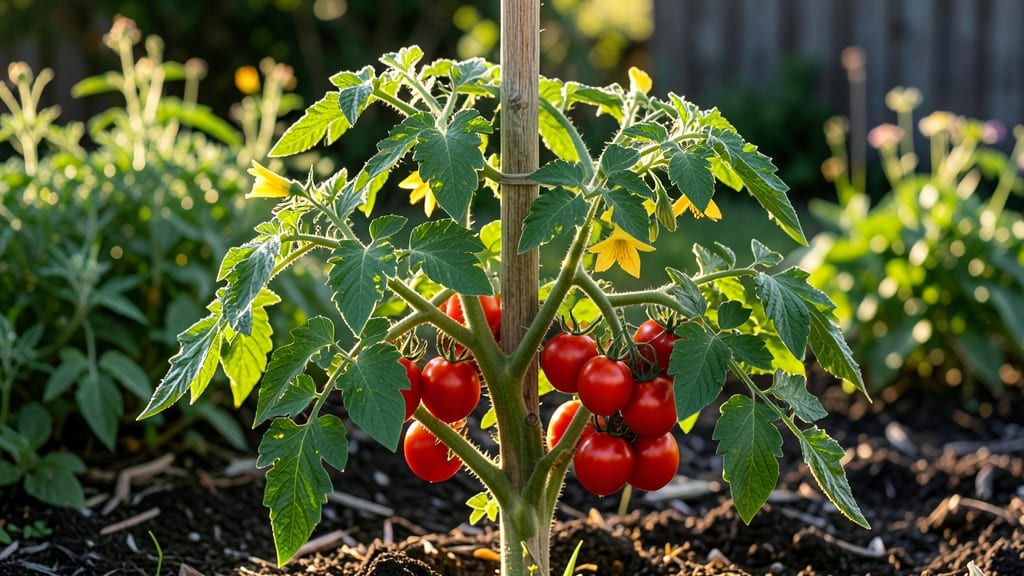
Big Boy tomato plants grow between 10 and 15 feet tall without pruning, making them one of the most vigorous indeterminate varieties you can plant 🍅—but their towering height comes with big rewards if you know how to support them.
If you’ve ever dreamed of growing massive, vine-ripened tomatoes but worried about space or trellis needs, the Big Boy tomato plant might be your perfect match—just don’t let its name fool you into underestimating its towering growth potential.
These giants need strong support structures, like sturdy cages or tall stakes, to keep their sprawling vines off the ground and prevent disease. Without proper care, their weight can snap weak stems, leaving you with fewer fruits and more frustration.
In this guide, I’ll break down exactly how tall Big Boy tomatoes grow, when to prune for better airflow, and the best trellising methods to maximize your harvest—so you can enjoy those beefy, flavorful slices all season long.

Big Boy tomato plant height: indeterminate growth explained with real measurements
The Big Boy tomato plant is a true giant among heirloom varieties, capable of reaching 10–15 feet tall when left unpruned—far taller than most gardeners imagine! This indeterminate variety grows continuously throughout the season, producing fruit along its sprawling vines until frost.
Unlike determinate tomatoes that stop growing after flowering, Big Boys keep climbing, which means you’ll need sturdy support systems to harness their full potential.
What makes Big Boys unique is their unpredictable but rapid growth—some vines surge 3–5 feet in a single season under ideal conditions. Without proper trellising, these plants can become unruly, sprawling across garden beds or even smothering nearby crops.
But with the right support structure, you can guide their growth vertically, saving space and maximizing yield. This variety thrives in warm climates (USDA Zones 7–10) but can also produce well in cooler regions with extended seasons.
Here’s how Big Boy’s height compares to other popular heirloom varieties: while Brandywine or Cherokee Purple might reach 5–6 feet, Big Boys often double that—making them ideal for gardeners with vertical space but limited ground area.
Their massive leaves (up to 12 inches wide) and thick stems also contribute to their towering stature, but this comes with trade-offs like increased pruning needs and water demands.
Seasonal growth patterns are critical for Big Boys. In spring, expect 1–2 feet of growth per month as the plant establishes its main stem. By summer, vines can add 6+ inches per week under optimal conditions, especially with consistent watering and balanced fertilization.
Without proper care, however, growth can stall due to nutrient deficiencies or pest damage, leading to weaker stems and fewer fruits.
| Growth Stage | Height Range | Key Features | Support Needs |
|---|---|---|---|
| Seedling | 0–1 ft | Delicate stems, 4–6 leaves | None (use small stakes) |
| Early Vegetative | 3–5 ft | Rapid stem elongation, large leaves | Trellis or stake (4–6 ft tall) |
| Flowering | 6–10 ft | Heavy fruit clusters, 1–2 ft per month | Strong trellis (10+ ft) or cage |
| Mature (Unpruned) | 10–15+ ft | Vines sprawl, 50+ lbs of fruit | Heavy-duty support (e.g., A-frame) |
| Pruned (Controlled) | 6–8 ft | Fewer suckers, higher yield density | Trellis (6–8 ft) or pruned cage |
Key factors influencing Big Boy’s height include sunlight exposure, soil fertility, and pruning habits.
Plants grown in full sun (6+ hours daily) with well-draining, nutrient-rich soil will outpace those in shaded or poor conditions. Overcrowding also stunts growth—ensure each plant has at least 3–4 feet of space between vines to avoid competition.
Additionally, temperature swings can stress the plant; Big Boys thrive in consistent warmth (70–85°F) and may slow growth if nights dip below 55°F.
Comparing Big Boys to other indeterminate varieties like Sungold or Black Krim reveals their superior height potential. While Sungolds might max out at 6–8 feet, Big Boys often surpass 12 feet without pruning, making them ideal for large gardens, greenhouses, or vertical farming.
However, this height comes with increased maintenance—expect to spend 2–3 hours weekly on pruning, trellising, and pest control during peak growth months.
One common misconception is that Big Boys are low-maintenance due to their name. In reality, their towering growth demands active management to prevent disease spread (like blight) and fruit rot from overcrowded branches. Pruning suckers (side shoots) every 1–2 weeks can reduce height by
How to manage Big Boy tomato plant height: trellising, pruning, and support tips
The Big Boy tomato plant can reach 10–15 feet or taller if left unchecked, making proper support essential. Without trellising or pruning, these indeterminate vines sprawl uncontrollably, risking disease and reduced yields.
The key to managing their height lies in choosing the right support system and pruning techniques that balance growth and fruit production.
Start by selecting a trellis type that matches your space and goals. Cages (5–6 feet tall) work well for smaller gardens, while stakes or string trellises let you control height more precisely.
Pair this with strategic pruning to improve airflow and direct energy toward fruit development. Stop pruning too late, though—overdoing it can stunt your harvest.
Step-by-Step Guide to Setting Up Support & Pruning
- 1 Choose your support: Install a 5–6 ft cage or 6–8 ft stake at planting. For larger gardens, use a string trellis with 2–3 horizontal lines.
- 2 Prune suckers early: Remove suckers (side shoots) below the first flower cluster when they’re 1–2 inches long. Use clean, sharp pruning shears to avoid tearing stems.
- 3 Tie vines weekly: Gently weave vines through trellis openings and secure with soft twist ties or cloth strips. Avoid wire—it can damage stems.
- 4 Stop pruning at fruit set: Once flower clusters appear, reduce pruning to 2–3 suckers per week. Over-pruning now slows fruit development.
- 5 Harvest and train: Pick ripe tomatoes regularly to encourage more blooms. Train remaining vines upward, removing only dead leaves or those touching soil.
For maximum yield, pair your trellis with balanced fertilization. Use a 5-10-10 NPK blend every 4–6 weeks during fruiting, but avoid overfeeding—too much nitrogen promotes leafy growth at the expense of tomatoes. Mulch around the base with straw or grass clippings to retain moisture and suppress weeds.
If your Big Boy tomatoes start to lag in growth, check for common issues like blossom end rot (calcium deficiency) or aphid infestations. Adjust care immediately—healthy vines supported properly will reward you with beefsteak-sized tomatoes all season long.
Pro tip: In small spaces, opt for a floppy-file trellis (a single stake with a horizontal line) to save room while still containing the vine’s height. Just ensure the trellis is buried 12 inches deep for stability.