
How To
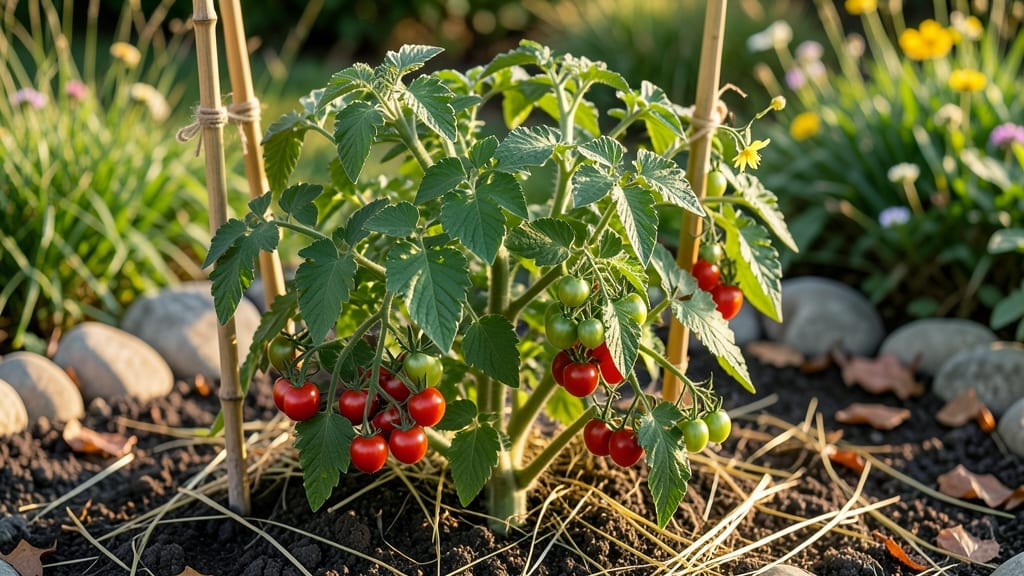
Grape tomato plants grow between 2 and 6 feet tall, depending on whether they're compact bush varieties or sprawling vines 🍅 — and knowing the difference can save you space (or a pruning nightmare).
If you love the taste of sweet, bite-sized grape tomatoes but have limited garden space, you’ll be thrilled to know these compact plants are perfect for small yards, balconies, or even containers. But their height varies dramatically by variety, so choosing the right one makes all the difference.
Determinate types (bush varieties) top out around 2 to 4 feet, making them ideal for containers or tight garden beds. Indeterminate vines, on the other hand, can stretch 6 feet or taller if left unchecked, requiring trellises or staking for support.
In this guide, I’ll break down height ranges by variety, share spacing tips to maximize air circulation, and reveal how to control growth naturally—so you can enjoy a bumper crop without sacrificing your patio space.

Grape tomato plant height by variety: compact vs. vining types
Grape tomatoes are a gardener’s dream for small spaces, but their height varies dramatically depending on the variety. Some stay neatly contained under 3 feet, while others can climb to 6+ feet if left unchecked.
Understanding these differences helps you choose the perfect fit for your garden layout—whether it’s a balcony container or a raised bed. The key distinction lies between determinate (bush) and indeterminate (vining) types, each with unique growth habits.
Determinate varieties grow to a predictable height and stop once they reach maturity, making them ideal for small gardens or container growing. Indeterminate types, on the other hand, keep growing and producing fruit until frost, often requiring trellises or stakes to manage their height.
Knowing which type you’re working with ensures you allocate the right amount of space and support for healthy growth and abundant harvests.
🌱 Comparison Table: Grape Tomato Heights by Variety
Determinate varieties like 'Tiny Tim' and 'Patio Princess' are perfect for space-challenged gardeners. These bush-type plants grow just 1–3 feet tall and produce fruit all at once, making them easy to harvest and store.
They’re also low-maintenance, requiring minimal staking or pruning. If you’re growing in containers or hanging baskets, these varieties will thrive without taking up much room.
Indeterminate types, such as 'Sungold' and 'Black Cherry', are the vining champions of the grape tomato world. Without proper support, they can reach 8–10 feet tall, sprawling across fences or trellises.
These varieties produce fruit continuously throughout the season, but they need regular pruning and trellising to stay manageable. If you love the idea of a vertical garden, indeterminate types are your best bet for maximizing space.
For container gardening, choose determinate varieties or dwarf indeterminate types like 'Micro Tom', which stays under 2 feet tall. Use 5-gallon pots with well-draining soil and ensure they receive at least 6–8 hours of sunlight daily.
If you’re growing in-ground, space determinate plants 18–24 inches apart and indeterminate types 3–4 feet apart to allow for proper air circulation and growth.
One common misconception is that pruning indeterminate varieties will stunt their growth or reduce yield. In reality, pruning encourages stronger stems and better fruit production by directing energy to fewer, healthier branches.
Remove suckers (side shoots) regularly and train the main stem along a trellis or stake to keep the plant contained. This not only saves space but also makes harvesting easier.
If you’re new to growing grape tomatoes, start with a determinate variety like 'Sweet 100' or 'Golden Sweet'. These are forgiving for beginners and produce abundant fruit with minimal effort
How to control grape tomato plant height naturally (without chemicals)
Grape tomato plants can quickly outgrow their welcome if left unchecked, especially in small gardens or containers. The good news? You can naturally control their height using simple, chemical-free techniques that also improve yield and air circulation.
Whether you're dealing with indeterminate vining types or determinate bush varieties, these methods will keep your plants manageable without sacrificing productivity.
For vining grape tomatoes, which can reach 6+ feet without intervention, the key is pruning and support systems that encourage horizontal growth instead of vertical sprawl. Even bush varieties (typically 3 feet or less) benefit from strategic pruning to boost fruit production.
Let’s explore the most effective, organic ways to manage your grape tomato’s height while keeping them healthy and happy.
Step-by-Step Guide to Natural Height Control
-
Step 1: Choose the Right Support
Install trellises, cages, or stakes at planting. For vining types, use 5-foot tall trellises to guide upward growth. Bush varieties need 3-foot cages for support.
-
Step 2: Prune Strategically
Remove suckers (side shoots) that grow in leaf axils. For vining types, prune 1/3 of top growth when plants hit 3 feet to redirect energy to fruit production.
-
Step 3: Train Vines Horizontally
Gently weave vines along trellises in a zigzag pattern. This spreads the plant’s weight and encourages bushier growth instead of vertical spikes.
-
Step 4: Use Organic Growth Regulators
Apply compost tea or fish emulsion (diluted to 1:10) to slow rapid growth. These nutrient-rich amendments promote balanced, not excessive, height.
-
Step 5: Monitor and Adjust
Check plants weekly for overgrowth. Trim new vertical shoots at the base to maintain a compact shape and improve air flow.
One of the most effective ways to limit grape tomato height is by pruning suckers—those small shoots that grow between the main stem and branches. These energy hogs divert nutrients away from fruit production.
For indeterminate varieties, focus on removing suckers larger than 1 inch to keep the plant under control. Use clean, sharp pruners to avoid damaging the main stem.
If your grape tomatoes are already towering over your space, don’t panic. You can reset their growth pattern by cutting back the main stem by 1/3 just above a leaf node. This encourages the plant to branch out instead of shooting upward.
Pair this with a strong trellis system to support the new growth and prevent sprawl. For container-grown plants, choose dwarf varieties or prune aggressively to fit your pot’s height.
For those with limited vertical space, consider horizontal training. Instead of letting vines climb straight up, gently weave them along a trellis in a zigzag or spiral pattern. This technique spreads the plant’s weight and encourages bushier, more compact growth.
It’s especially useful for balcony gardens or patio containers where height is a concern. Plus, it makes harvesting easier!
Finally, remember that organic growth regulators like compost tea or kelp extract can help slow rapid growth without chemicals. These amendments provide balanced nutrients that promote steady, controlled growth rather than explosive vertical shoots. Apply them every 2-4 weeks during the growing season for best results.
Combine these methods with proper spacing (18-24 inches apart for bush types, 24-36 inches for vining types) to maximize air circulation and minimize disease.
With these natural techniques, you’ll enjoy manageable grape tomato plants that fit your space perfectly—without sacrificing flavor or yield. Happy gardening! 🌿