
How To
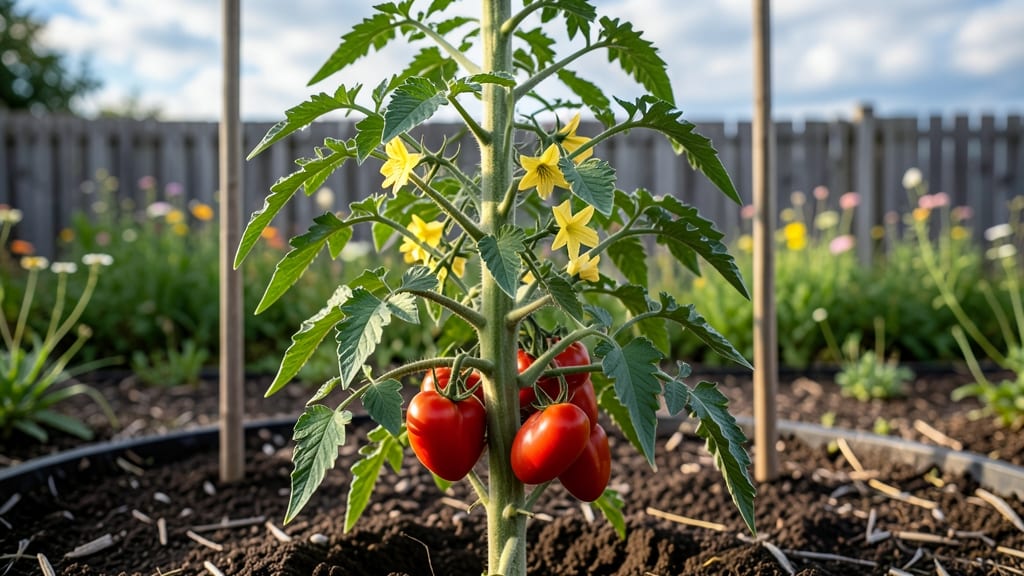
San Marzano tomato plants grow 5 to 6 feet tall on average, but they can easily reach 10 feet or more with proper care and support—far taller than most gardeners expect.
If you’ve ever dreamed of growing your own San Marzano tomatoes—those sweet, meaty giants perfect for pasta sauce—you’ve probably wondered just how much vertical space they’ll demand. These indeterminate plants can surprise even experienced gardeners with their towering growth, but proper planning ensures you maximize yield without sacrificing stability.
Unlike dwarf varieties that stay compact, San Marzano tomatoes thrive when given room to climb, which is why trellising or sturdy cages become your best friends. Without support, their sprawling vines can flop, leading to poor air circulation and disease risks.
The key is spacing them 18 to 24 inches apart and training them upward early to avoid overcrowding.
In this guide, you’ll discover how to control their height through pruning, choose the right trellis setup, and even boost your harvest by understanding their growth habits. Let’s turn those sky-high vines into a bounty of flavorful tomatoes!

San Marzano tomato plant height: how tall they grow & what determines it
San Marzano tomatoes are famous for their sweet, meaty fruit, but their indeterminate growth habit means they can reach unexpected heights. Unlike their determinate cousins, these vines keep growing until frost, often topping 10 feet with proper care.
Understanding their growth patterns helps you plan for support structures and maximize your harvest.
The average mature height for San Marzano plants falls between 10–15 feet, though well-cared-for specimens can exceed 15 feet in ideal conditions. Their vigorous vines require strong trellises or stakes to prevent stem breakage under the weight of fruit.
Without support, plants sprawl, leading to poor air circulation and disease risks.
Genetics play a key role in height potential. San Marzano tomatoes are heirloom indeterminate varieties, meaning their growth isn't limited by a set number of branches. Unlike bush tomatoes (which max out at 3–4 feet), these plants grow continuously until frost, producing fruit along the entire vine.
This trait makes them ideal for vertical gardening but demands careful planning.
Environmental factors like sunlight, pruning, and trellising significantly influence height. Full sun exposure (6–8+ hours daily) fuels rapid growth, while pruning techniques can direct energy toward fruit production. Without proper support systems, vines may grow taller but produce fewer, lower-quality tomatoes due to stress.
Here’s a quick comparison to other popular tomato varieties to put San Marzano’s height into perspective:
| Variety | Type | Mature Height | Notes |
|---|---|---|---|
| San Marzano | Indeterminate | 10–15+ ft | Requires strong trellis; continuous fruiting |
| Cherry Tomatoes (e.g., Sweet 100) | Indeterminate | 6–10 ft | Smaller fruit; prolific producer |
| Beefsteak | Indeterminate | 5–8 ft | Large fruit; moderate height |
| Roma (Plum) | Determinate | 3–4 ft | Bushy; limited vertical growth |
| Celebrity | Determinate | 3–4 ft | Compact; disease-resistant |
Sunlight exposure is the single biggest factor in determining how tall your San Marzano plants grow. These tomatoes thrive in full sun conditions (6–8+ hours daily), which promotes rapid vine elongation and robust fruit production.
In partial shade (less than 6 hours of sun), growth slows, and plants may reach only half their potential height, with smaller, less flavorful tomatoes.
Pruning plays a critical role in managing height while improving yield. By removing suckers (side shoots between the stem and branches), you encourage the plant to focus energy on fruit production rather than excessive leafy growth.
Regular pruning can reduce height by 20–30% while increasing tomato size and quality. I recommend pruning weekly during the growing season to keep plants manageable.
Trellising is non-negotiable for San Marzano tomatoes. Without support, vines can reach 15+ feet but become top-heavy, leading to broken stems and lost fruit. Use strong bamboo stakes or metal cages (at least 6 feet tall) to support the plant’s weight.
For taller varieties, consider overhead trellises or tomato towers to guide growth vertically and save space.
Soil quality and nutrient availability also influence height. Well-draining, fertile soil with a pH of 6.0–6.8 supports vigorous growth. Amend your soil with compost or aged manure before planting to provide essential nutrients.
Over-fertilizing with nitrogen can lead to excessive leafy growth at the expense of fruit production, so balance is key.
In my experience, the best way to control height is to combine pruning, trellising, and balanced fertilization. Start with a 6-foot trellis and add height as needed. Prune aggressively in early summer to redirect energy to fruit, and monitor for pests or diseases that can stunt growth.
With the right approach, you’ll enjoy taller plants and bigger tomatoes without sacrificing stability.
🌱
Optimal spacing & trellising secrets for maximum yield without overcrowding
San Marzano tomatoes thrive when given the right space to stretch their indeterminate vines, but crowding them can lead to disease, poor air circulation, and stunted fruit production.
The key is balancing 18–24 inches of spacing between plants while providing sturdy support. Without proper spacing, your plants may grow wildly tall (10+ feet) but produce fewer, smaller tomatoes.
When planning your garden layout, think vertically. These plants can easily reach 6–10 feet tall, so trellising isn’t just helpful—it’s essential. I’ve found that cage trellises (like sturdy 5-foot tomato cages) work well for smaller spaces, while wooden stakes or A-frame trellises handle taller growth better.
The right trellis keeps vines organized and makes harvesting a breeze.
Here’s the breakdown of what works best for San Marzano tomatoes:
Trellis Types for San Marzano Tomatoes
Cage Trellises
- Pros: Easy to install, good for small spaces
- Cons: Can collapse under heavy fruit load
Stakes/Trellis
- Pros: Stronger support, better airflow
- Cons: Requires tying vines (more labor)
A-Frame Trellises
- Pros: Maximizes vertical growth, great for large plants
- Cons: Takes up more garden space
Spacing Guidelines
- Pros: Prevents disease, improves yield
- Cons: Requires more garden real estate
One common mistake I see is planting San Marzano tomatoes too close together—18 inches apart is ideal, but some gardeners squeeze them into 12-inch spacing, which leads to tangled vines and poor air circulation.
This invites fungal diseases like blight, which can devastate your crop. I’ve also noticed that skipping trellises entirely causes vines to sprawl, making harvesting difficult and increasing the risk of soil-borne diseases.
To control height while boosting fruit production, prune regularly. Remove suckers (the small shoots between the main stem and branches) and trim back any overly long vines. This redirects the plant’s energy into producing larger, healthier tomatoes instead of excessive foliage.
I prune mine every 2–3 weeks during the growing season, always using clean, sharp pruners to avoid damaging the plant.
Another pro tip: Use soft ties (like garden twine or Velcro plant ties) to secure vines to trellises. Avoid wire or anything that can cut into the stems.
I’ve also had success with mulching around the base of the plant to retain moisture and suppress weeds, which reduces competition for nutrients. With the right spacing and support, your San Marzano tomatoes will reward you with a bountiful harvest of those prized, meaty fruits.
🌱