
How To
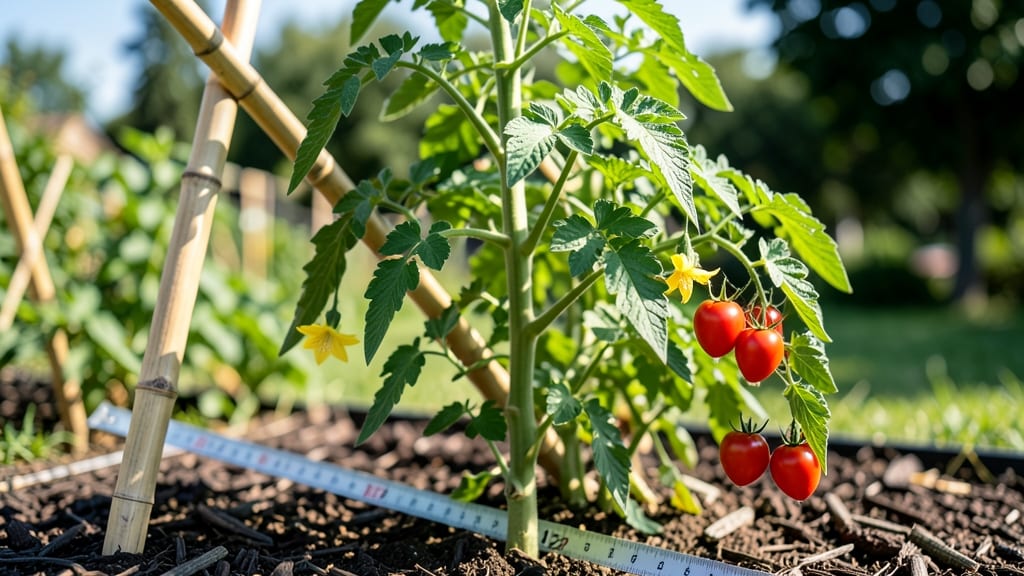
Tomato plants can grow anywhere from how tall do tomato plants get—spanning 1 foot to over 10 feet, depending on the variety and how you train them 🍅 — but knowing the right height for your type is the key to avoiding crowded plants and wasted space.
Picture this: You’ve just planted your dream tomato variety, only to realize by midsummer that it’s outgrown your balcony or garden plot. That’s why understanding whether you’ve got a compact bush or a sky-reaching vine makes all the difference in planning supports, pruning, and even where to place them.
Determinate tomatoes stay short and stocky, perfect for containers, while indeterminate types keep climbing until frost. I’ll break down the height ranges for each, plus how to control growth without sacrificing those juicy rewards.
By the end, you’ll know exactly how much space to leave between plants, which varieties suit your setup, and how to keep even the tallest types from taking over your garden.

Tomato plant height ranges by variety type (indeterminate vs determinate)
Understanding how tall your tomato plants will grow is essential for planning your garden layout. The two main types—indeterminate and determinate—have drastically different growth habits.
Indeterminate varieties grow continuously, often reaching 6 to 10 feet or more, while determinate types stop growing at a fixed height, usually 3 to 5 feet. This difference affects everything from support systems to harvest timing.
If you're growing cherry tomatoes or beefsteak varieties, knowing their mature height helps you decide between cages, stakes, or trellises. For example, a Sungold cherry tomato (indeterminate) might climb to 8 feet, while a Roma tomato (determinate) stays around 4 feet.
Let’s break down the key differences so you can choose the perfect variety for your space and goals.
Indeterminate tomatoes are the vining giants of the garden, producing fruit all season long until frost. Their unlimited growth means they need strong vertical support, like a 6-foot trellis or tomato tower. Popular varieties like Brandywine or Sweet 100 can sprawl wildly without guidance, so plan for 3 to 6 feet of vertical space per plant.
Determinate tomatoes, on the other hand, grow in a bushy, compact form and set all their fruit at once. This makes them ideal for container gardening or tight spaces. Varieties like Celebrity or Better Boy top out around 4 feet, making them perfect for 5-gallon buckets or cages. Their shorter stature also means less risk of wind damage or disease spread.
Here’s a quick visual comparison to help you visualize the differences:
Choosing the right tomato variety depends on your garden’s layout and your goals. If you’re short on space, determinate varieties like Roma or Celebrity are perfect for containers or tight rows. They produce a single
How to control tall tomato plant growth without sacrificing yield
Indeterminate tomato varieties can grow 10+ feet tall if left unchecked, but their vigorous vining habit doesn’t mean you have to sacrifice yield. The key is strategic pruning and support to direct energy toward fruit production while preventing disease.
I’ve found that combining trellising with selective pruning keeps plants manageable without stunting growth.
Tall tomato plants need proper airflow to prevent fungal diseases like blight. Crowded foliage traps moisture, creating ideal conditions for pathogens. By controlling height through support systems and pruning techniques, you’ll improve both plant health and harvest potential. Let’s explore the most effective methods I’ve used in my garden.
🌿 Top Methods to Manage Tall Tomato Growth
- 🪴 Trellising: Use 6-foot stakes or tomato cages (5-6 ft tall) to guide vines upward. My favorite is the floppy file system—a flexible wire trellis that adapts as plants grow.
- ✂️ Pruning: Remove suckers (side shoots) to focus energy on main stems. Prune every 2-3 weeks during growing season, but avoid over-pruning—leave 3-4 main stems for best yield.
- 🌱 Topping: Pinch off the top growth when plants reach desired height (usually 6-8 feet). This encourages flowering and fruiting instead of vertical growth.
- 💧 Watering: Deep water early in the day to prevent stress. Tall plants need 1-2 gallons per plant every 3-5 days, especially in hot climates.
- 🌡️ Mulching: Apply 2-3 inches of mulch to retain moisture and regulate soil temperature. Organic mulch like straw also suppresses weeds and reduces disease risk.
One mistake I see often is using under-sized supports for tall varieties. A 5-foot cage won’t hold a 10-foot vine—it’ll collapse under the weight. Instead, opt for sturdy bamboo stakes or metal cages (6+ feet tall).
For space-saving, I’ve had great success with vertical gardening systems like A-frame trellises.
Pruning isn’t just about height control—it’s about air circulation and sunlight exposure. When I remove lower leaves, I aim to keep the bottom 18 inches clear of foliage. This prevents soil-borne diseases from splashing onto leaves during watering. Always use sterilized pruners to avoid spreading pathogens.
For container gardening, choose compact indeterminate varieties like ‘Tiny Tim’ or ‘Patio Princess.’ Even then, provide small trellises or cages to prevent sprawling. In my 5-gallon pots, I’ve grown 4-foot-tall ‘Sungold’ cherry tomatoes with proper support and pruning.
Remember, the goal isn’t to stunt growth but to guide it strategically. With the right support and pruning routine, your tall tomato plants will thrive while staying manageable—and you’ll enjoy a bountiful harvest without the chaos. Happy gardening! 🌱