
How To
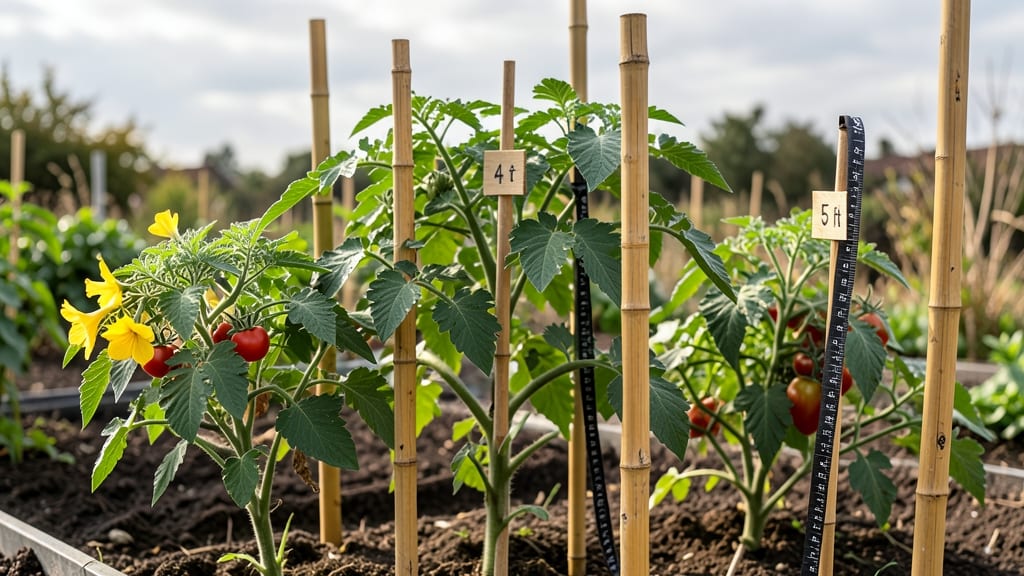
Letting tomato plants grow how tall to let tomato plants grow is normal—but that’s only for the right varieties. 🌱 Indeterminate tomatoes climb like vines, while determinate types top out at 4-5 feet.
The key isn’t just height, though—it’s how you manage growth to get the biggest harvest without sacrificing structure or fruit quality. Most gardeners prune too late or too aggressively, but the secret is early shaping: pinch suckers when they’re small, and let just 2-3 main stems grow.
This keeps plants strong enough to support their own weight while maximizing airflow—critical for disease prevention. You’ll end up with bushier plants that produce fruit all season long, not just at the top.
📚 In This Guide
- What you need
- Instructions
- Tips and common mistakes
- Wrapping up and next steps
What you need
- ● Tomato plants: Disease-resistant varieties (e.g., Sungold, Beefsteak, or Cherry—check seed packets for height expectations).
- ● Containers or garden space: 5-gallon pots (for indeterminate varieties) or 1-gallon pots (for determinate).
- ● Well-draining soil mix (add compost or aged manure for nutrients).
- ○ Support structures (optional but highly recommended): Sturdy bamboo stakes (5–6 ft tall) or wooden dowels (for single plants).
- ● Trellis netting (6–10 ft tall) or tomato cages (3–4 ft diameter).
- ● Twine or soft plant ties (for securing vines).
- ● Fertilizer: Balanced organic fertilizer (10-10-10) or tomato-specific feed (follow label instructions).
- ● Watering supplies: Drip irrigation or a watering can with a long spout (avoid overhead watering).
- ● Pruning tools: Sharp bypass pruners (sterilized with rubbing alcohol).
- ● Mulch (straw or shredded leaves) to retain moisture and suppress weeds.
- ● Copper tape or fungicide (to prevent blight on tall varieties).
- ● Grow lights (if starting seeds indoors or extending the season).
- ● Plant markers (to track varieties and pruning needs).
How to determine optimal tomato plant height for cage-free growth
Here’s how I let my tomatoes climb naturally—without cages—while maximizing fruit production and plant health.
🌱 Step 1: Identify Your Tomato Variety’s Natural Growth Habit
Determine whether you’re growing determinate (bush) or indeterminate (vining) varieties—this dictates how tall they’ll grow naturally. Determinate tomatoes, like 'Roma' or 'Celebrity,' typically top out at 3-5 feet and set fruit along the entire stem. Indeterminate types, such as 'Sungold' or 'Brandywine,' keep growing until frost and can reach 6-12 feet or more if unrestrained.
Check your seed packet or plant tag for variety specifics. If unsure, observe early growth: indeterminate plants grow taller with fewer leaves per stem, while determinate plants branch out more densely. This distinction is critical—letting a determinate tomato climb beyond its natural height stresses the plant and reduces yield.
☀️ Step 2: Monitor Stem Strength and Sun Exposure
Let indeterminate tomatoes grow until they reach 6-8 feet tall, but prune suckers (side shoots) to encourage stronger main stems. Watch for yellowing leaves or stems leaning excessively—these are signs the plant is overstretched. A healthy tomato stem should be thick and sturdy, not spindly.
Position your plants where they’ll receive full sun (6-8 hours daily). If leaves start shading the lower fruit, it’s time to intervene. Indeterminate varieties can handle more height, but beyond 10 feet, the plant struggles to support its own weight, leading to snapped stems and lost harvests.
✂️ Step 3: Prune for Balance and Airflow
For indeterminate varieties, prune suckers (the small shoots that grow between the main stem and branches) to 2-3 leaves below the fruit clusters. This redirecting energy to fruit production rather than excessive height. Stop pruning when the plant reaches 8-10 feet—any taller, and the weight of the fruit can break the stem.
Determinate tomatoes rarely need pruning beyond removing dead or diseased leaves. Let them grow to their natural height (3-5 feet), as forcing them taller weakens the plant. Always prune in the morning when the plant is dry to reduce disease risk.
🪴 Step 4: Support Without Cages (Natural Methods)
Use bamboo stakes or wooden dowels inserted 6 inches deep into the soil beside the plant. Tie the main stem loosely with soft plant ties every 12-18 inches as it grows. This method mimics natural climbing while preventing stem damage.
Avoid over-tightening ties—gentle pressure is enough to guide growth. If you notice dark spots on stems from ties, loosen them immediately. For extra support, weave straw or burlap around the base to stabilize the plant without restricting airflow.
⏰ Step 5: Harvest and Control Height Based on Season
Start harvesting when fruit reaches full color and slight softness—this encourages the plant to focus on ripening existing fruit rather than growing taller. For indeterminate varieties, pinch the top growth when the plant hits 8-10 feet or when frost threatens. This signals the plant to stop climbing and redirect energy to ripening.
If your growing season is short, let determinate tomatoes reach their natural height (3-5 feet) and harvest all fruit at once. Indeterminate varieties in longer seasons can be pruned back to 6 feet mid-season to rejuvenate growth and extend harvest time.
Tips & tricks for perfect tomato plant growth without cages
These insights will help you nurture healthier tomato plants while maximizing your harvest—without the hassle of cages.
Variety-Specific Growth Limits: Indeterminate tomatoes like 'Sungold' can reach up to 10 feet if unrestrained, but I've found the sweet spot is 8 feet for optimal fruit production. The extra height beyond this point often leads to weaker stems and snapped branches under fruit weight. For determinate varieties like 'Roma', never exceed 5 feet—their natural bush structure is designed to support fruit at this height.
Pruning Precision: When pruning suckers on indeterminate varieties, focus on removing those with 2-3 leaves below fruit clusters—this is where new growth will emerge. I learned this the hard way after accidentally pruning too aggressively and losing potential fruit-bearing branches. Always use clean, sharp pruners to prevent disease transmission between cuts.
Support System Strategy: For the 6-inch deep bamboo stakes mentioned, I recommend driving them in at a 45-degree angle for better stability. This creates a natural trellis effect that guides the plant upward while distributing weight more evenly. The 12-18 inch tie spacing should be adjusted based on plant growth—closer ties for windy areas, wider spacing for more flexible stems.
Seasonal Adjustments: In shorter growing seasons, let determinate tomatoes reach their full 3-5 foot height and harvest all fruit at once. For indeterminate varieties in longer seasons, I've found pruning back to 6 feet mid-season gives a second flush of growth and extends harvest by 2-3 weeks. This works particularly well in regions with mild autumns.
Pro Tips for How Tall To Let Tomato Plants Grow
- These insights will help you nurture healthier tomato plants while maximizing your harvest—without the hassle of cages.
- Variety-Specific Growth Limits: Indeterminate tomatoes like 'Sungold' can reach up to 10 feet if unrestrained, but I've found the sweet spot is 8 feet for optimal fruit production.
- Pruning Precision: When pruning suckers on indeterminate varieties, focus on removing those with 2-3 leaves below fruit clusters—this is where new growth will emerge.
Frequently asked questions
Got questions about letting your tomato plants stretch their legs? You’re not alone—gardeners often wonder about the best height for their vines, how to manage growth, and when to step in. Here are some of the most common queries (and answers!) to help you grow like a pro:
How tall should I let my tomato plants grow before pruning?
Most indeterminate tomato varieties (like cherry or beefsteak tomatoes) can grow unlimited if left unpruned, but they’ll need support (like stakes or cages) to avoid sprawling. For practicality, aim to prune side shoots when they’re 6–12 inches long to encourage upward growth and better air circulation. Determinate tomatoes (bush types) rarely need pruning—they naturally top out at 3–5 feet.
When is the best time of day to prune tomato plants?
Prune in the early morning when plants are hydrated and temperatures are cooler. Avoid pruning in the heat of the day (10 AM–4 PM), as it can stress the plant and slow recovery. If you must prune later, do so in the evening and water thoroughly afterward to help the plant heal.
What if my tomato plant grows too tall without support? Can I still save it?
If your plant has outgrown its support, don’t panic. Gently weave the vines through a new stake or trellis, or use soft plant ties to secure them. For sprawling plants, you can also bend the main stem downward and bury it lightly in soil to encourage rooting (a technique called "layering"). Just be patient—it may take a few weeks for the plant to adjust.
Should I prune tomato suckers (the little shoots between stems and leaves)?
Yes! Pruning suckers (those tiny shoots in the axils where leaves meet the stem) is key for indeterminate tomatoes. Remove them when they’re small (2–3 inches) to redirect energy to fruit production. For determinate tomatoes, skip pruning—they produce fruit along the entire plant, not just the top.
How tall should tomato plants be before the first frost?
Harvest as many tomatoes as possible before the first frost, but don’t rush to prune! If your plants are still under 4 feet and healthy, they can often survive light frosts (below 28°F) with a protective cover (like a blanket or row fabric). For taller plants, focus on picking ripe fruit first—green tomatoes can ripen indoors if brought inside early.
Still stumped? Drop your question in the comments—we’re happy to help your tomatoes reach their full (and delicious) potential!
Wrapping up and next steps
Finding the perfect height for your tomato plants is all about balance—supporting their growth while maximizing those juicy rewards! 🌱 Whether you’re pruning for compact cages or letting vines sprawl naturally, the key is observation and adaptability.
Trust your plants, and don’t hesitate to experiment with stakes, trellises, or even a sturdy fence to guide their journey upward.
Now that you’re armed with the know-how, roll up your sleeves and get growing! 🌟 Start with just one plant, try a new technique, and watch your harvest thrive. Happy gardening—your future tomato feasts are waiting!