
Fertilization
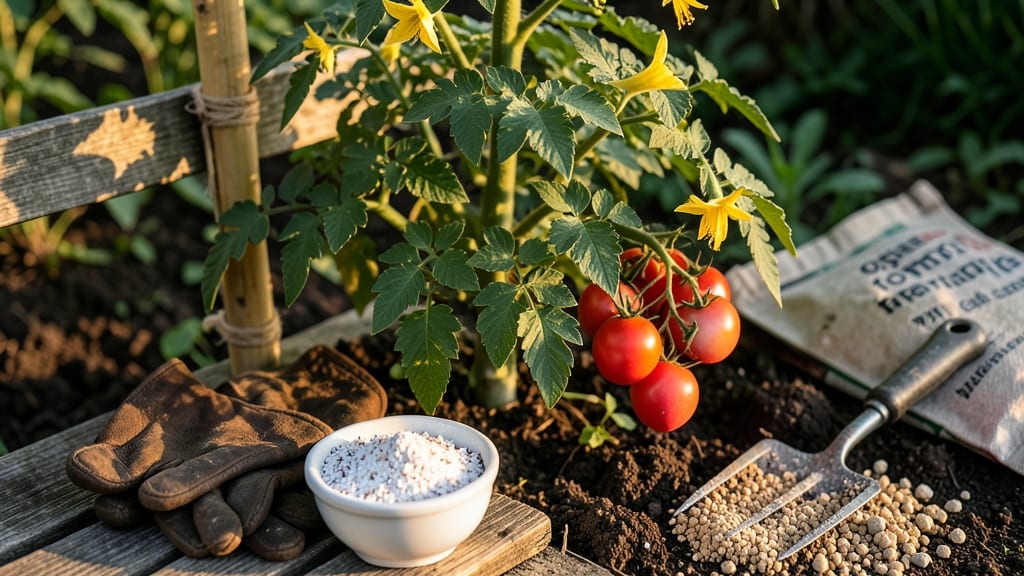
Your tomatoes need an organic tomato fertilizer with calcium more than you realize—it’s the secret weapon against blossom end rot and weak fruit walls. 🌱 I’ve seen gardeners waste weeks troubleshooting rot before realizing their plants were starving for this essential mineral. The good news?
You don’t need expensive chemicals to fix it—simple organic sources like eggshells and bone meal work just as well. Calcium strengthens cell walls, improves fruit firmness, and prevents those ugly black bottoms on tomatoes. Most garden soils lack enough, especially if you’ve amended with peat moss or composted grass clippings.
The fix starts with soil prep: mix in crushed eggshells or gypsum before planting, then top-dress with compost tea every 3-4 weeks. You’ll notice the difference in just a few weeks—fewer dropped blossoms, thicker stems, and tomatoes that stay crisp even when overripe.
For quick results, spray a diluted calcium nitrate solution on leaves during hot afternoons. The key is consistency: calcium moves slowly in plants, so steady feeding beats occasional boosts. This works for container tomatoes too—just reduce amounts by half.
Next up: DIY recipes that cut costs while packing more calcium than store-bought blends. Let’s get those plants fortified!
📚 In This Guide
- What you need
- Instructions
- Tips and common mistakes
- Wrapping up and next steps
What you need
- ● Eggshells: 1–2 cups (finely crushed or ground) – the ultimate calcium source!
- ● Banana peels: 2–3 peels (chopped or dried) – rich in potassium for flavor and growth
- ● Coffee grounds: ½ cup (used) – adds nitrogen and acidity-loving nutrients
- ● Wood ash: ¼ cup (unscented, from untreated wood) – boosts potassium and pH balance
- ● Compost or worm castings: 1–2 cups – the backbone of organic fertility!
- ● Water: 1 gallon (for soaking or brewing)
- ● Small blender or food processor (for crushing eggshells/peels)
- ● Fine-mesh strainer or cheesecloth (to filter liquid fertilizer)
- ● Bucket or large container (for mixing)
- ● Garden trowel or small shovel (for applying to soil)
- ○ Spray bottle (optional, for foliar feeding)
- ● Crushed oyster shell: ¼ cup – extra calcium for stubborn blossom end rot
- ● Alfalfa meal: 2 tbsp – adds nitrogen and trace minerals
- ● Molasses: 1 tbsp – stimulates microbial activity in the soil
- ● Seaweed extract: 1 tsp – enhances root growth and disease resistance
How to make an organic tomato fertilizer with calcium
Here's my go-to organic blend that prevents blossom end rot and delivers steady, nutrient-rich growth.
🌱 Step 1: Gather Your Organic Calcium-Rich Materials
You'll need crushed eggshells (the calcium powerhouse) and well-aged compost for balanced nutrition. I crush eggshells in a clean coffee grinder until they resemble coarse sand—this maximizes surface area for calcium absorption. For every 4 plants, use 1 cup crushed eggshells and 2 cups compost. The compost provides nitrogen and micronutrients while the eggshells supply the critical calcium.
If you don’t have compost, worm castings work just as well—they’re even richer in microbes that help roots absorb nutrients. Store both materials in a dry place until ready to use. The key here is freshness: eggshells lose potency after 6 months, while compost should be fully decomposed with no visible chunks.
🌿 Step 2: Mix the Fertilizer Blend
In a 5-gallon bucket, combine 1 cup crushed eggshells, 2 cups compost, and 1 cup bone meal (for phosphorus). Bone meal is optional but gives a noticeable boost to fruit development. Stir thoroughly until the eggshells are evenly distributed—you’ll see the mix turn a light tan with flecks of white. This blend delivers calcium, nitrogen, phosphorus, and potassium in one easy application.
For extra potency, add 1 tablespoon of kelp meal (if available) for trace minerals like magnesium and boron. These help prevent other common tomato issues like yellowing leaves or weak stems. Mix again until the kelp meal dissolves into the blend. The final texture should be crumbly but cohesive, like damp sand.
☀️ Step 3: Apply to Tomato Plants
Sprinkle ½ cup of the blend around the base of each tomato plant, keeping it 2-3 inches away from the stem to avoid direct contact. Gently work it into the top 1-2 inches of soil with your fingers or a small hand fork. This placement encourages root uptake while preventing surface evaporation. Water the plants deeply immediately after application—this activates the compost and helps the eggshells break down faster.
Repeat every 4-6 weeks during the growing season, or whenever you notice new blossoms forming. The eggshells release calcium slowly, so you won’t see instant results, but your plants will develop stronger cell walls and better resistance to blossom end rot. You’ll know it’s working when your tomatoes stay firm, even as they ripen.
⏰ Step 4: Monitor and Adjust
Watch for new leaf growth and increased fruit set within 2-3 weeks of application. Healthy tomato plants will show deep green leaves and strong stems that don’t wilt easily. If you notice yellowing between leaf veins, that’s a sign of magnesium deficiency—add a ½ teaspoon of Epsom salt to the soil and water it in.
For container-grown tomatoes, reduce the amount by half—¼ cup per plant—since they have less soil volume. Overapplying can lead to nutrient burn, which shows as brown leaf edges. If this happens, flush the soil with water to dilute excess salts. The goal is steady, balanced nutrition, not a sudden nutrient spike.
Tips & tricks for perfect organic tomato fertilizer
Small adjustments make all the difference when crafting this nutrient-packed fertilizer blend.
Crushing Technique: For maximum calcium absorption, bake your eggshells at 200°F for 10 minutes before crushing to kill any bacteria, then grind until you achieve a fine, sand-like texture. This ensures even distribution when mixed with compost—think of it as creating microscopic calcium particles that dissolve more efficiently in the soil. I learned this the hard way after noticing uneven growth with coarser shells.
Compost Quality Check: Fresh compost can contain weed seeds or pathogens that harm your tomatoes. Always use well-aged compost that's fully decomposed with no visible chunks or strong odor. If you're unsure, sift it through a fine mesh screen before mixing—this removes debris while preserving the nutrient density. The goal is a crumbly texture that resembles potting soil.
Application Timing: Apply the fertilizer blend when your tomato plants are actively flowering but before heavy fruit set begins. This timing ensures the calcium gets incorporated into developing cell walls when plants need it most. I've found that applying it in the morning allows the soil to absorb moisture throughout the day, activating the compost's microbes more effectively.
Container Adjustments: For container-grown tomatoes, halve the recommended amounts—¼ cup per plant instead of ½ cup—to prevent nutrient burn. The limited soil volume means excess salts can accumulate quickly, causing brown leaf edges. Always flush the soil with water after application if you notice any signs of stress in your plants.
Pro Tips for Organic Tomato Fertilizer With Calcium
- Small adjustments make all the difference when crafting this nutrient-packed fertilizer blend.
- Crushing Technique: For maximum calcium absorption, bake your eggshells at 200°F for 10 minutes before crushing to kill any bacteria, then grind until you achieve a fine, sand-like texture.
- Compost Quality Check: Fresh compost can contain weed seeds or pathogens that harm your tomatoes.
Frequently asked questions
Got questions about using organic tomato fertilizer with calcium?
You’re not alone! Here are answers to the most common queries to help you grow healthier tomatoes with confidence.
What’s the best time to apply organic tomato fertilizer with calcium?
Apply calcium-rich organic fertilizer at planting (mix into soil) and again when flowers appear. For ongoing care, use a diluted liquid feed every 2–3 weeks during fruiting. Avoid overdoing it—too much calcium can lock out other nutrients like magnesium!
Can I use eggshells instead of commercial calcium fertilizer?
Crushed, baked eggshells are a fantastic free calcium source. Grind them into a fine powder and sprinkle around tomato plants or mix into compost. For faster results, pair them with a balanced organic fertilizer like fish emulsion or worm castings.
Why are my tomato leaves yellowing after adding calcium?
Yellowing leaves often signal a calcium imbalance or nutrient deficiency (like nitrogen or magnesium). Test your soil, and if needed, adjust with a balanced organic fertilizer. Over-fertilizing with calcium can also disrupt phosphorus uptake—always follow package rates!
Does calcium fertilizer work in hot or cold weather?
Calcium uptake thrives in warm soil (60–75°F), but it’s still beneficial in cooler temps. In heatwaves, water deeply to help roots absorb nutrients. If your area has hard water, flush soil occasionally to prevent calcium buildup that can harm roots.
Will calcium fertilizer prevent blossom end rot permanently?
While calcium reduces rot risk, it’s not a guarantee. Consistent moisture (not soggy soil!) and balanced nutrition are key. Pair calcium fertilizer with organic matter like compost to create ideal growing conditions for your tomatoes.
Wrapping up and next steps
Growing juicy, vibrant tomatoes doesn’t have to be a gamble—especially when you arm your plants with the right organic tomato fertilizer with calcium.
By blending natural ingredients like eggshells, banana peels, and compost, you’re not just preventing blossom end rot; you’re nurturing stronger roots, sweeter fruit, and a thriving garden. 🌱
Ready to see your tomatoes reach their full potential? Start small—try one batch of this fertilizer this season and watch the difference! For even better results, keep experimenting with organic blends and share your harvest with fellow gardeners. Happy growing!