
How To
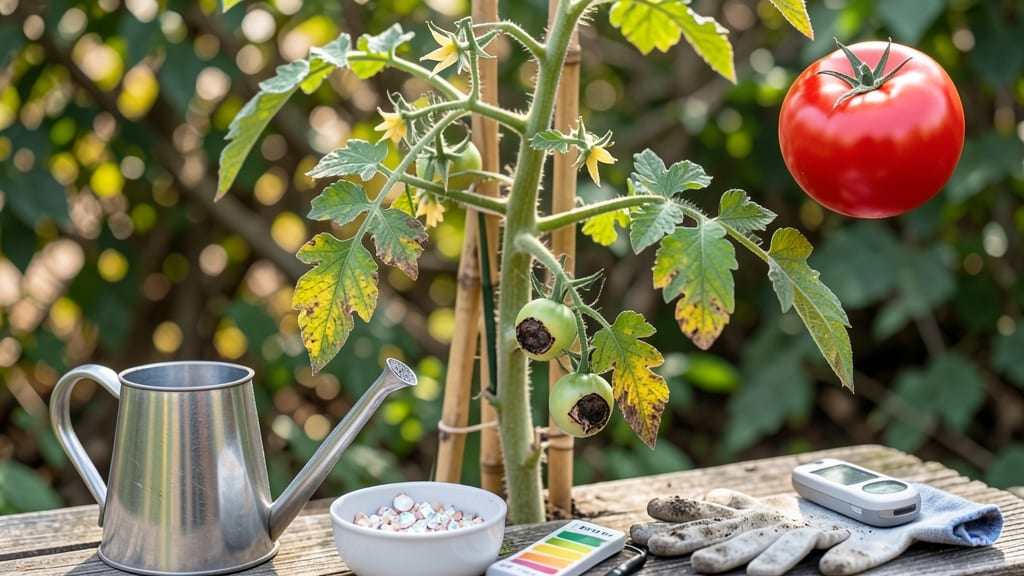
Your tomatoes are showing the classic signs of a tomato end rot treatment—those ugly, sunken scars where the blossoms used to be. 🌱 The good news?
This calcium deficiency issue has a fast fix, and I’ll show you exactly how to rescue your plants and prevent it from happening again.
First, the bad news: end rot won’t heal on already damaged fruit, but new growth can stay healthy with the right care. Start by watering consistently—deep, even moisture is key—and add crushed eggshells or calcium-rich compost to the soil.
For a quick boost, mix 1 tablespoon of calcium chloride in a gallon of water and apply it to the soil.
Within days, your plants will start producing firm, blemish-free tomatoes. The secret? Mulch heavily to keep moisture steady, and avoid over-fertilizing with nitrogen-heavy feeds. Harvest any affected fruit early—they’re still edible, just not pretty.
This method works for container gardens, raised beds, and in-ground plots, no matter your tomato variety. Once you’ve got the calcium balance right, you’ll never see those ugly scars again—just plump, juicy tomatoes ready to pick.
Root Causes of Tomato End Rot
Tomato end rot isn’t just a random blight—it’s a clear signal that your plants are struggling with calcium deficiency, often triggered by environmental or growing conditions. Understanding the why behind this problem is the first step to preventing it.
Below, we break down the primary culprits and how they disrupt your tomatoes’ ability to absorb calcium.
🌱 Why it happens: Calcium is essential for cell wall strength in tomatoes, especially during rapid growth phases (like fruit development). When plants can’t access enough calcium—even if the soil has it—they develop leathery, sunken, dark spots on the blossom end of tomatoes.
This isn’t a disease; it’s a nutritional disorder.
- Soil pH imbalance: Calcium becomes less available when soil is too acidic (pH < 6.0) or too alkaline (pH > 7.5). Tomatoes thrive in slightly acidic soil (pH 6.0–6.8).
Outside this range, calcium binds to other minerals (like aluminum or iron) and stays locked away. - Inconsistent moisture: Tomatoes need steady watering—not drought followed by a deep soak. Fluctuating moisture levels disrupt calcium uptake in the roots.
When soil dries out, roots can’t transport calcium fast enough to keep up with fruit growth. - Over-fertilization with nitrogen: Too much nitrogen (common in fast-acting fertilizers) speeds up plant growth but starves roots of the energy needed to absorb calcium.
Think of it like a car engine revving too hard—it burns fuel faster than it can be replenished.
🌡️ Why it happens: Even with enough calcium in the soil, external stressors can block its movement to where it’s needed most—your tomatoes’ blossom ends.
- Temperature swings: Heat stress (above 90°F/32°C) or cold snaps slows root activity, reducing calcium absorption. Tomatoes grown in greenhouses or hot climates are especially vulnerable. - Poor soil structure: Compacted or clay-heavy soil restricts root growth and oxygen flow, limiting calcium uptake.
Roots need loose, well-aerated soil to function properly. - Salinity buildup: Over-irrigation with high-sodium water or excessive fertilizer salts can clog root cells, preventing calcium from being taken up. Test your water’s electrical conductivity (EC)—ideal levels are <0.75 dS/m.
🔬 Why it happens: Sometimes, the issue isn’t a lack of calcium—it’s the plant’s inability to move it to the right places.
- Root damage or disease: Fungal infections (like root rot) or physical root damage (from over-tilling) reduce absorption surface area. Healthy roots are your tomatoes’ calcium pipelines! - Competition from other nutrients: Magnesium, potassium, and phosphorus can outcompete calcium for uptake.
A balanced fertilizer (like 10-10-10) helps prevent this, but avoid high-potassium blends (e.g., 5-10-15) if end rot is an issue. - Fruit demand outpaces supply: When tomatoes grow too quickly (thanks to warm weather + plenty of water), the plant can’t deliver calcium fast enough to the blossom end.
This is why large, fast-growing varieties (like beefsteak tomatoes) are more prone to end rot.
💧 Why it happens: More than any other factor, inconsistent watering is the #1 cause of tomato end rot. Here’s how it plays out:
- Drought stress: When soil dries out, roots stop functioning efficiently, and calcium can’t reach the developing fruit.
Even a single day of wilting can trigger end rot in susceptible varieties. - Heavy watering after drought: After a dry spell, a deep soak can cause a calcium flush—but it’s too late for the fruit already forming.
The calcium moves to new growth, leaving older tomatoes scarred. - Surface watering: Watering the leaves or stems (instead of the soil) can lead to uneven moisture, causing roots to struggle. Drip irrigation or deep watering at the base is key.
🍅 Why it happens: Not all tomatoes are equally at risk. Heirloom and large-fruited varieties are more prone to end rot because:
- They require more calcium per fruit due to size.
- Their slower growth rate (compared to hybrid varieties) means calcium uptake can’t keep up with demand.
- Thin-skinned tomatoes (like cherry varieties) show symptoms faster than thick-skinned types (like Roma).
Pro tip: 💡 If you grow beefsteak, Brandywine, or Sungold tomatoes, be extra vigilant with calcium management!
Fixing blossom scars fast
When your tomatoes show those dreaded dark, sunken scars—end rot—it’s time to act. The good news? With the right approach, you can rescue your harvest and even prevent future damage. Below, we break down the most effective solutions, tailored to the root causes of blossom-end rot.
Whether it’s calcium deficiency, water stress, or pH imbalances, these fixes will help you save your tomatoes and grow healthier plants in the future.
If your tomatoes already have end rot, they need calcium—and fast. Calcium strengthens cell walls, preventing further decay. Here’s how to deliver it effectively:
- 🍳 Calcium Spray or Soak Mix 1 tablespoon of calcium chloride or calcium nitrate in 1 gallon of water. Spray the solution directly on the affected fruit and the soil around the plant. For severe cases, soak the roots in the solution for 10–15 minutes before replanting.
- 👨🍳 Use Epsom Salt (Magnesium Boost) While not a direct calcium fix, 1 tablespoon of Epsom salt per gallon of water can improve nutrient uptake and support overall plant health. Apply as a foliar spray or soil drench.
- ⏰ Timing Matters Apply calcium treatments early in the morning or late afternoon to avoid leaf burn. Repeat every 5–7 days until new growth shows no more scars.
Fluctuating moisture levels are a top trigger for end rot. Tomatoes need consistent hydration—never dry, never soggy. Follow these rules:
- 💧 Deep & Frequent Watering Water deeply 1–2 times per week (depending on climate) rather than shallow daily sprinkles. Aim for 1–1.5 inches of water per week, delivered at the base of the plant (not the leaves).
- 🌡️ Mulch to Lock in Moisture Spread 2–3 inches of organic mulch (straw, grass clippings, or wood chips) around plants to keep soil evenly moist and cool. This also prevents calcium leaching.
- ✨ Avoid Overhead Watering Wet leaves can spread disease and dilute calcium uptake. Use drip irrigation or soaker hoses instead of sprinklers.
If your soil is too acidic or alkaline, calcium becomes unavailable to plants. A simple pH test (available at garden centers) can reveal the issue:
| pH Level | Problem | Fix It With |
|---|---|---|
| <6.0 (Acidic) | Calcium locks out | Lime (calcium carbonate) – Apply 1 lb per 100 sq ft and re-test in 2–3 months. |
| 7.0–8.0 (Neutral/Alkaline) | Calcium binds to soil | Gypsum (calcium sulfate) – Sprinkle 10 lbs per 100 sq ft and water in. |
| >8.0 (Very Alkaline) | Severe nutrient block | Elemental sulfur – Reduces pH gradually; follow package rates. |
Pro Tip: 💡 Mix compost into your soil before planting—it naturally buffers pH and adds organic calcium.
Once you’ve rescued your current crop, take these steps to keep end rot away for good:
- 🌱 Start with Calcium-Rich Soil Amend planting beds with crushed eggshells, bone meal, or kelp meal before transplanting. These act as slow-release calcium sources.
- 🍅 Choose Resistant Varieties Some tomatoes handle calcium stress better. Try ‘Mountain Merit,’ ‘Better Boy,’ or ‘Celebrity’—they’re bred for disease and nutrient resilience.
- 🎯 Monitor & Maintain
- Fertilize lightly: Too much nitrogen (from fresh manure or high-N fertilizers) worsens end rot. Use a balanced 10-10-10 or 5-10-10 formula.
- Prune wisely: Remove suckers and lower leaves to improve airflow and reduce stress.
- Harvest early: Pick tomatoes as soon as they ripen to prevent over-maturation and calcium depletion.
With immediate calcium treatment and proper watering, you may see new growth free of scars in 7–14 days. For severe cases, affected fruits won’t recover, but future tomatoes will improve with consistent care. Keep an eye on soil moisture and pH—these are your best defenses!
Frequently asked questions
Can I still eat tomatoes with end rot?
Yes! While the affected areas are tough and discolored, the rest of the tomato is perfectly safe and edible. Simply cut off the rotten portion before using it in recipes. Just avoid tomatoes with large or deeply sunken scars—these may have more internal damage.
How quickly will my tomatoes show improvement after treatment?
You’ll typically see results within 7–14 days of applying calcium treatments and adjusting watering habits. New fruit forming after treatment should be free of scars, though existing damaged tomatoes won’t recover. Consistency is key—keep monitoring soil moisture and pH.
What’s the best organic calcium source for tomatoes?
For organic gardeners, crushed eggshells are the easiest solution. Dry and grind eggshells, then work them into the soil around plants. Other great options include kelp meal (contains natural calcium) or bone meal (use sparingly—it’s high in phosphorus). Apply these before planting for best results.
Why does end rot happen more in hot weather?
Heat stress slows root activity, making it harder for plants to absorb calcium even when it’s available. High temperatures also increase water evaporation, leading to inconsistent soil moisture—a major trigger for end rot. Shade cloth or afternoon watering can help maintain stable conditions.
Can I fix end rot in container-grown tomatoes?
Container tomatoes need even more consistent care. Use a balanced liquid fertilizer with calcium (like 5-5-5), water deeply when the top inch of soil feels dry, and consider adding hydroponic calcium supplements to your watering routine. Smaller pots dry out faster, so check soil moisture daily.