
How To
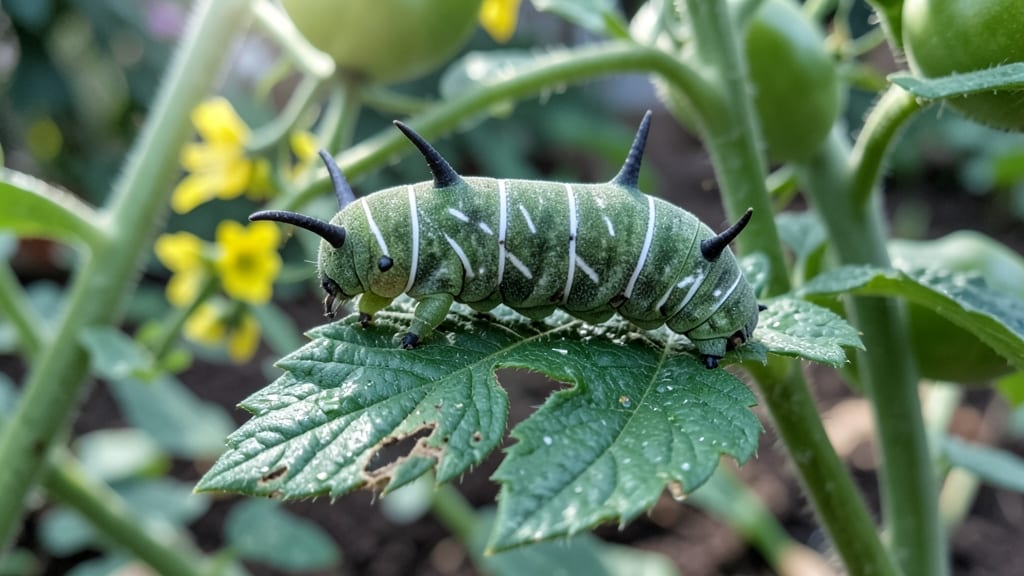
Caterpillars can turn your tomato plants into Swiss cheese faster than you can say "harvest." 🌱 I've battled them for years, and the key is a two-pronged approach: immediate removal and a protective barrier that deters future raids.
The good news? You can stop the damage in hours without chemicals that harm bees or your plants.
First, handpick the fuzzy green invaders—especially the tomato hornworms—and drop them in soapy water. Then, wrap the stems in cardboard collars or spray with neem oil mixed with water (1 tablespoon per quart). This creates a physical and chemical barrier that works within 24 hours while keeping beneficial insects safe.
You'll see fresh, undamaged leaves within days, and the plants will bounce back stronger. The best part? This method prevents future infestations by disrupting the caterpillars' life cycle without harming your garden's ecosystem.
Works for all tomato varieties—whether you're growing heirlooms in the ground or cherry tomatoes in containers. Let's save your harvest before they do!
Root Causes of Caterpillar Infestations
Caterpillars descending upon your tomato plants aren’t just random bad luck—they’re drawn by a mix of environmental cues, plant vulnerabilities, and even your garden’s ecosystem dynamics. Understanding why these pests target your tomatoes is the first step to stopping them before they devour your harvest.
Let’s break down the science behind their invasion.
Tomato plants are like a five-star buffet for caterpillars, thanks to their lush foliage and sweet, tender fruits. Here’s why they’re irresistible:
- Soft, nutrient-rich leaves: Tomato plants produce soluble sugars and nitrogen compounds that make their leaves a high-calorie snack for caterpillars. Species like the hornworm (a tomato-loving caterpillar) can detect these nutrients from up to 3 feet away using their chemoreceptors—essentially, their "taste buds" on their feet.
- Volatile organic compounds (VOCs): When tomato leaves are damaged (even slightly), they release green leaf volatiles (GLVs), which act like a dinner bell for caterpillars. These chemicals signal "food is here!" to pests within a 10-foot radius.
- Fruits as a protein source: Ripe tomatoes contain soluble proteins and amino acids that caterpillars crave for growth. A single hornworm can consume an entire tomato in under 24 hours, stripping your plant of its energy reserves.
Pro tip: 💡 If your tomatoes are thriving too well (think: overly lush growth from excess nitrogen fertilizer), they’ll be even more appealing to caterpillars. Balance your soil’s NPK ratio (aim for 5-10-10) to reduce their allure.
Caterpillars thrive when their natural enemies—like birds, parasitic wasps, and beneficial insects—are scarce. Here’s how your garden’s ecosystem might be tipping the scales in their favor:
- Lack of bird activity: Birds (especially robins, blue jays, and sparrows) are caterpillar superpredators. If your garden lacks perches, water sources, or native shrubs, birds will skip your tomatoes for easier meals elsewhere.
- Pesticide overuse: Even "organic" sprays can kill braconid wasps and tachinid flies, which lay eggs inside caterpillars, turning them into zombie-like hosts that die before pupating. A single wasp can parasitize 20+ caterpillars in its lifetime.
- Monoculture gardens: Planting only tomatoes (or other nightshades like peppers/eggplants) creates a caterpillar hotspot. Without diverse plants, their predators lose habitat and food sources, leaving your tomatoes vulnerable.
Pro tip: 🌿 Plant dill, fennel, or Queen Anne’s lace near your tomatoes to attract parasitic wasps. These "bodyguards" will hunt caterpillars before they become a problem.
Caterpillars aren’t just opportunistic—they’re strategic. Their life cycles sync with weather patterns that make your garden the perfect breeding ground:
| Seasonal Factor | Why It Helps Caterpillars |
|---|---|
| Warm, humid springs | Hornworm and tomato fruitworm moths emerge when nighttime temps stay above 60°F (15°C). Humidity keeps their eggs from drying out. |
| Drought stress | Water-stressed tomato plants produce more sugars in their leaves (a survival mechanism), making them 30% more attractive to caterpillars. |
| Late-season heatwaves | Caterpillars speed up their metabolism in heat, molting faster and consuming 50% more plant material to fuel growth. |
Pro tip: 🌡️ Use row covers in early spring to block moths from laying eggs. If drought is an issue, drip irrigation keeps plants hydrated without wetting leaves (which attracts egg-laying moths).
Sometimes, the problem starts with us. Unintentional gardening practices can turn your tomato patch into a caterpillar magnet:
- Over-fertilizing with nitrogen: Lush, soft growth is caterpillar catnip. Test your soil—if it’s high in nitrogen (N), switch to a balanced 10-10-10 or low-N organic fertilizer.
- Ignoring garden debris: Old tomato stems, fallen leaves, and plant litter provide hibernation sites for pupating caterpillars. Clear debris in fall and spring to break their life cycle.
- Planting near wild nightshades: Weeds like black nightshade or horse nettle host caterpillar species that will migrate to your tomatoes once they’re established.
- Neglecting companion planting: Caterpillars avoid plants like basil, marigolds, and garlic because their strong scents mask tomato odors. Without these barriers, moths zero in on your crops.
Pro tip: ✨ Interplant tomatoes with onions or chives—their sulfur compounds repel moths and deter egg-laying.
Quick Fixes for Caterpillar Chaos
Caterpillars munching on your tomato plants? Don’t panic—there are fast, effective, and organic ways to reclaim your garden without harsh chemicals. Below, we’ll match the most common causes of caterpillar infestations with practical solutions, from manual removal to natural sprays that work in hours.
Plus, we’ll share prevention tips to keep your tomatoes thriving long-term.
Fix: Handpick + Drown or Relocate Hornworms are the tomato plant’s worst nightmare—they can devour a whole plant overnight! Since they’re large and easy to spot, manual removal is the fastest fix.
- 🔥 Step 1: Scout at Dawn or Dusk Caterpillars are most active when it’s cooler. Check leaves (especially the undersides) for green, striped monsters (hornworms) or small, hairy black larvae (tomato fruitworms).
- 👨🍳 Step 2: Pluck Them Off Wear gloves (some caterpillars have irritating hairs) and gently twist them off the plant.
Drop them into: - A bucket of soapy water (1 tbsp dish soap + water) - A sealed jar with rubbing alcohol (kills instantly) - Relocate them far from your garden (if you’re feeling merciful—but they’ll just come back!)
- ⏰ Step 3: Repeat Daily Check plants every 2–3 days—hornworms grow fast, and eggs hatch quickly.
💡 Pro Tip: Encourage hornworm predators like parasitic wasps (they lay eggs inside hornworms—gross but effective!). If you see tiny white eggs on caterpillars, leave them be—nature’s cleanup crew is on the job!
Fix: Neem Oil Spray + Row Covers These tiny terrors hide in the soil or under leaves, making them harder to spot. They chew holes in leaves and fruit, leading to rot.
- 🍳 Step 1: Apply Neem Oil Barrier Mix 1 tbsp neem oil + 1 tsp mild soap + 1 quart water in a spray bottle. Spray thoroughly on both sides of leaves and the soil around the base (worms hide there!).
- Reapply every 5–7 days or after rain.
- Why it works: Neem oil disrupts their feeding and growth, plus it’s safe for bees and pets once dry.
- 🌡️ Step 2: Use Row Covers for Prevention If infestations are severe, cover young plants with fine mesh netting (like Agribon).
Secure edges with clips or soil weights to block adult moths from laying eggs. - Pro Tip: Leave covers off during pollination (if using hand-pollination) or choose lightweight fabric that allows sunlight.
- 🔪 Step 3: Till the Soil (For Armyworms) Armyworms burrow into the soil as larvae. If you see brown patches in the dirt, loosen the top 2 inches with a hand fork—this exposes them to birds and predatory beetles.
Fix: Kaolin Clay + Beneficial Nematodes Sometimes, caterpillars win the stealth war—you don’t see them until they’ve already hatched. Prevent egg-laying with these two powerful tools:
- 🎯 Step 1: Spray Kaolin Clay (Surround WP) This white, chalky spray creates a physical barrier that:
- Repels adult moths from laying eggs
- Smothers newly hatched larvae
- Safe for organic gardening
- How to use: Mix 2 tbsp clay powder + 1 gallon water, strain, and spray early morning or late evening (avoids harming bees).
- 🌡️ Step 2: Introduce Beneficial Nematodes These microscopic worms (Heterorhabditis bacteriophora) infect and kill caterpillar eggs and larvae without harming plants.
- When to apply: Early morning or evening (they need moisture).
- How: Mix 1–2 lbs per 100 sq ft with water and water the soil deeply.
- Best for: Preventative treatment before moths arrive.
Once you’ve eliminated the current infestation, lock in your defenses with these long-term strategies:
| Method | How to Do It | Why It Works |
|---|---|---|
| 🌿 Plant Companion Plants | Interplant basil, marigolds, or dill around tomatoes. | Masks tomato scent, confuses moths. |
| 🕯️ Use Yellow Sticky Traps | Hang yellow cards coated in Tanglefoot near plants. | Catches adult moths before they lay eggs. |
| 🌙 Hand-Pollinate Flowers | If using row covers, gently shake plants to release pollen. | Ensures fruit set without removing covers. |
| 🌡️ Mulch with Diatomaceous Earth | Sprinkle food-grade DE around the base. | Dries out eggs/larvae (reapply after rain). |
| 🐦 Encourage Natural Predators | Plant milkweed (for ladybugs) or dill (for parasitic wasps). | More birds, lacewings, and wasps = fewer caterpillars! |
- ❌ Avoid broad-spectrum pesticides (like sevin)—they kill beneficial insects too.
- ❌ Don’t ignore early signs (chewed leaves, frass/droppings)—act fast before infestations explode.
- ❌ Skip the soil treatment—many caterpillars hide underground as larvae!
Final Thought: With these targeted fixes, you can save your tomato plants in hours—no chemicals needed. Stay vigilant, use barriers, and let nature help with predators and sprays. Soon, you’ll be harvesting juicy, caterpillar-free tomatoes like a pro! 🍅🚀
Frequently asked questions
How do I tell if caterpillars are damaging my tomato plants?
Look for chewed leaves with jagged edges, black droppings (frass) on foliage, or holes in fruits. Hornworms leave large, irregular bites, while tomato fruitworms target ripe tomatoes. Check leaf undersides at dawn/dusk when caterpillars are most active.
Is neem oil safe to use while tomatoes are flowering?
Yes, but apply it early morning or late evening when bees are less active. Neem oil is non-toxic to bees once dry, but avoid spraying directly on flowers. For extra protection, use a lightweight row cover during bloom if caterpillars are severe.
What’s the fastest way to stop caterpillars from spreading?
Combine handpicking (drop them in soapy water) with a kaolin clay spray. This creates a physical barrier that repels adult moths within 24 hours. For hidden larvae, till the soil to expose them to birds or apply beneficial nematodes.
Can I use coffee grounds to deter caterpillars?
Coffee grounds help slightly by improving soil health, but they’re not a direct deterrent for caterpillars. For better results, mix them with diatomaceous earth (food-grade) around plant bases—this dehydrates eggs and larvae. Reapply after rain.
Why do caterpillars keep coming back even after treatment?
New eggs may hatch from unseen eggs or moths from nearby gardens. Break the cycle by removing all plant debris, using yellow sticky traps for adult moths, and planting companion plants like basil to mask tomato scents. Rotate treatments every 5-7 days.