
How To
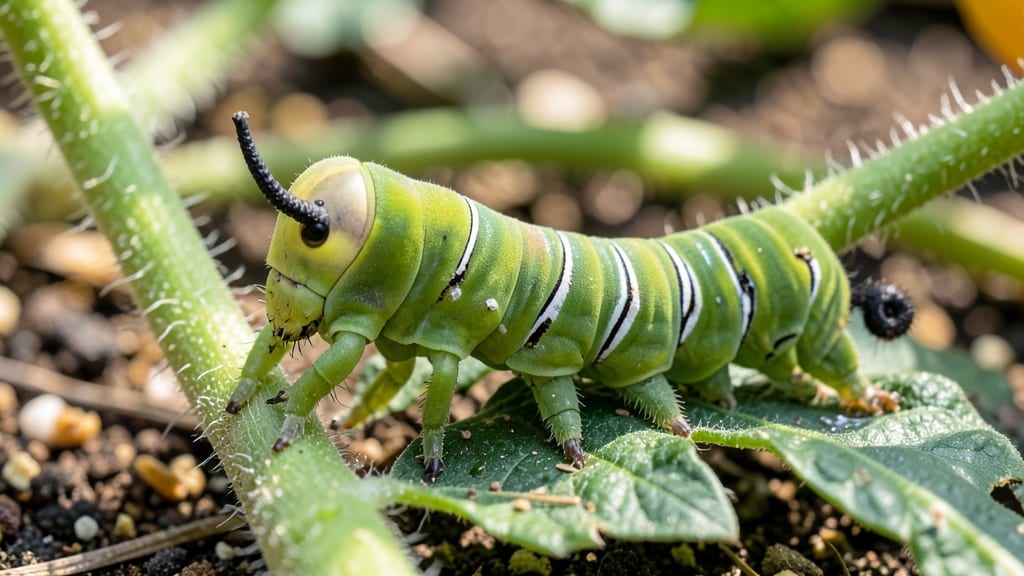
How to get rid of tomato worms organically can turn your lush vines into skeleton leaves faster than you can say "harvest." 🌱 I’ve lost count of the times I’ve found my prized heirlooms riddled with these green devils, but I’ve also learned that nature’s got a few tricks up its sleeve to fight back—no harsh chemicals required.
The key is a layered defense: start with daily inspections at dawn (that’s when they’re sluggish) and handpick the fat ones before they pupate. Then, bring in reinforcements—ladybugs, lacewings, and parasitic wasps—who treat tomato worms like an all-you-can-eat buffet.
I’ve seen entire colonies wiped out in a week with this combo.
By the end of the season, you’ll have fewer holes in your leaves, more fruit on the vine, and a garden that thrives without the chemical aftertaste. The best part? These methods work for peppers and eggplants too, so you’re covering your bases for a whole crop family.
Fair warning: this takes consistency, not a one-time spray. But once you see your plants bouncing back—plump tomatoes, lush foliage, and zero worms—you’ll wonder why you ever reached for pesticides in the first place.
Root Causes of Tomato Worms
Tomato worms—those pesky green caterpillars of the Manduca sexta (tomato hornworm) and Spodoptera exigua (beet armyworm) species—don’t just appear out of nowhere. Their presence is often a sign that your garden is providing the perfect conditions for their survival.
Understanding why they thrive helps you disrupt their lifecycle before they devour your crops. Let’s break down the science behind their infestations.
Tomato worms are drawn to ripe, soft, and damaged fruit like a moth to a flame. Here’s why: - Sugar and Moisture Signals: Ripe tomatoes emit volatile organic compounds (VOCs) that moths detect from up to 3 miles away.
These chemicals signal high sugar and moisture content—ideal nutrition for growing larvae. - Easy Entry Points: Overripe or bruised tomatoes have broken skin, making it easier for female moths to lay eggs.
A single egg batch can hatch into 20-40 hungry caterpillars in just 3-5 days. - Fungal Opportunities: Damaged fruit attracts fruit flies and other pests, which can introduce fungal spores. These spores weaken the tomato’s defenses, making it even more appealing to egg-laying moths.
Actionable Insight: Harvest tomatoes before they fully ripen indoors (if possible) and remove fallen or damaged fruit immediately to break the cycle.
A garden that’s too lush or lacks natural predators creates a tomato worm paradise. Here’s how imbalance fuels their growth: - Monoculture Planting: Growing only tomatoes (or other nightshades like peppers/eggplants) removes biodiversity.
Moths thrive in monocultures because there’s no competition for food, and predators (like birds or parasitic wasps) have fewer alternative prey. - Lack of Companion Plants: Plants like basil, marigolds, or dill repel moths naturally by masking tomato scents or releasing allelopathic compounds (chemicals that deter pests).
Without these, moths home in on your crops. - Excessive Nitrogen Fertilizer: While tomatoes love nitrogen, too much makes leaves softer and more palatable to caterpillars. It also boosts plant sap, which worms crave like a fast-food buffet.
Actionable Insight: Interplant tomatoes with basil, nasturtiums, or thyme to confuse moths. Use balanced, organic fertilizers (like compost or worm castings) to avoid overfeeding your plants.
Tomato worms don’t strike randomly—they follow a precise seasonal and nocturnal schedule: - Dusk and Dawn Attacks: Female moths are most active at sunset and sunrise when temperatures drop and humidity rises.
They use moonlight and wind direction to navigate to tomato fields. - Warm, Humid Nights: Moths prefer temperatures between 70–85°F (21–29°C) and high humidity (above 60%).
If your garden stays in this range for weeks, expect multiple generations of worms in one season. - Peak Season: Most infestations hit June–August in temperate climates, aligning with tomato flowering and fruiting. In warmer regions, moths may breed year-round.
Actionable Insight: Monitor your garden at dusk with a flashlight—you might spot moths before eggs appear. Use yellow sticky traps (which attract moths) near plants to reduce egg-laying opportunities.
Nature’s pest control—birds, parasitic wasps, lacewings, and praying mantises—keeps tomato worm populations in check. But if these predators are absent, worms explode in numbers.
Here’s why they vanish: - Habitat Loss: Over-tidy gardens with no leaf litter, rocks, or dense foliage offer no hiding spots for predator insects like ground beetles or spiders. - Pesticide Use: Even organic sprays can kill beneficial insects. Neonicotinoids (common in some organic pesticides) are highly toxic to bees and parasitic wasps, which are critical tomato worm predators. - Lack of Water Sources: Predators like ladybugs and lacewings need shallow water dishes to thrive.
Without them, they fly away to gardens with better resources.
Actionable Insight: Install birdhouses, bat boxes, and insect hotels to attract predators. Avoid broad-spectrum sprays—opt for targeted solutions like BT (Bacillus thuringiensis) that only harm caterpillars.
Pro Tip: 💡 Tomato worms aren’t just a tomato problem—they also target peppers, eggplants, and even tobacco plants. If you see holes in leaves or black droppings (frass), act fast before the infestation spreads!
Organic Fixes for Tomato Worms
Now that you know why tomato worms invade your garden, let’s tackle the problem with effective, chemical-free solutions. These methods target the root causes—whether it’s eggs, larvae, or adult moths—while keeping your tomatoes safe and thriving.
Below, we’ve mapped out practical fixes for each stage of the worm’s life cycle, plus prevention tips to stop future infestations.
Tomato hornworm eggs are tiny and pale yellow, often laid on the undersides of leaves. If you catch them early, you can prevent larvae from ever appearing.
How to do it:
- 🔍 Inspect leaves daily (especially in the morning) and scrub off eggs with a soft brush or your fingers into soapy water.
- 🌿 Use neem oil spray (1 tbsp neem oil + 1 tsp mild soap per quart of water). Spray every 3–5 days to disrupt egg development.
- 🍃 Try kaolin clay (a natural mineral powder). Lightly dust it on leaves—it creates a barrier that eggs can’t penetrate.
💡 Pro Tip: Focus on lower leaves and stems, where moths lay most eggs. A hand lens (magnifying glass) helps spot them faster.
Tomato hornworms grow fast—up to 4 inches in a week! But they’re easy to spot (green with white stripes and sometimes black "horns"). Handpicking is the fastest way to eliminate them.
How to do it:
- 👨🍳 Go hunting at dawn or dusk when worms are sluggish.
- 🧤 Wear gloves (some gardeners find the spines irritating).
- 🔪 Drop them into soapy water (or crush them—though some prefer not to kill them directly).
- 🐝 Encourage birds & parasitic wasps (like Cotesia congregata), which naturally prey on hornworms.
✨ Bonus: If you’re squeamish, wear a mask—the spines can tickle your nose!
Adult tomato hornworms (moths) are gray with white stripes and fly at night. Trapping them reduces next year’s infestation.
How to do it:
- 💡 Use a blacklight trap (UV light attracts moths). Place it away from your garden to avoid luring more.
- 🍎 Hang pheromone traps (available at garden centers) to confuse males and prevent mating.
- 🌙 Set up a DIY moth trap:
- Fill a jar with beer or wine (moths are attracted to fermentation smells).
- Cover the top with plastic wrap, poke small holes, and hang near plants.
Healthy tomatoes resist pests better. Use these organic boosters to make your plants less appealing to hornworms.
How to do it:
- 🌿 Plant companion crops:
- Basil, marigolds, or dill repel moths with their strong scents.
- Nasturtiums act as a trap crop—moths prefer them over tomatoes.
- 💧 Water deeply in the morning (wet leaves dry faster, reducing egg-laying spots).
- 🍅 Prune lower leaves (keep foliage 6–12 inches off the ground) so eggs have fewer hiding spots.
- 🌡️ Use row covers (fine netting) over young plants to block moths entirely.
💡 Pro Tip: Rotate crops yearly—moths remember where their favorite hosts grow!
Once you’ve eliminated existing worms, prevent future infestations with these low-maintenance strategies.
| Method | How It Works | Effort Level |
|---|---|---|
| 🌿 Crop rotation | Moves tomato plants to a new spot yearly. | Low |
| 🐝 Beneficial insects | Releases parasitic wasps (sold at garden stores). | Medium |
| 🍃 Mulch with straw | Blocks egg-laying spots and deters moths. | Easy |
| 🌱 Interplant flowers | Attracts predatory wasps & ladybugs. | Medium |
🎯 Best Defense: Combine 2–3 methods for maximum protection. For example:
- Row covers + basil + handpicking = almost foolproof!
- ❌ Avoid BT (Bacillus thuringiensis) if possible—while organic, it can kill beneficial insects too.
Use it only as a last resort. - ❌ Don’t use chemical pesticides—they harm pollinators, soil, and future harvests. - ❌ Ignore early signs—waiting until worms are big means more damage (and more work to remove them).
Final Thought: With daily checks, smart planting, and a few organic tricks, you can keep tomato worms under control without chemicals. The key is consistency—stay vigilant, and your tomatoes will thank you with juicy, worm-free fruit! 🍅💚
Frequently asked questions
How do I know if my tomato plants have tomato worms?
Look for large green caterpillars (up to 4 inches) with white stripes and sometimes black \"horns\" on leaves. Check for black droppings (frass) on leaves and stems, and chewed holes in leaves. Early signs include tiny pale yellow eggs on leaf undersides.
Are tomato worms harmful if accidentally eaten?
No, they’re not toxic, but they can cause an upset stomach. The spines on tomato hornworms might feel unpleasant in your mouth. Always remove them before eating tomatoes or leaves. Cooking will kill any remaining worms, but it’s best to prevent them entirely.
How often should I apply neem oil for tomato worms?
Apply neem oil every 3–5 days during peak worm season (June–August). Mix 1 tablespoon neem oil + 1 teaspoon mild soap per quart of water and spray in the early morning or evening to avoid harming bees. Stop applying 2 weeks before harvest.
Can I use coffee grounds to repel tomato worms?
Coffee grounds won’t repel tomato worms directly, but they improve soil health and can attract predatory insects like ground beetles. For better results, mix them with crushed eggshells (which deter moths) and use them as mulch around tomato plants.
What’s the best time of day to handpick tomato worms?
Go early morning or late evening when worms are sluggish and easier to spot. Wear gloves and a mask (the spines can irritate skin). Drop them into soapy water or crush them—just avoid squishing them on your plants, as it can spread frass (worm droppings).