
Pests
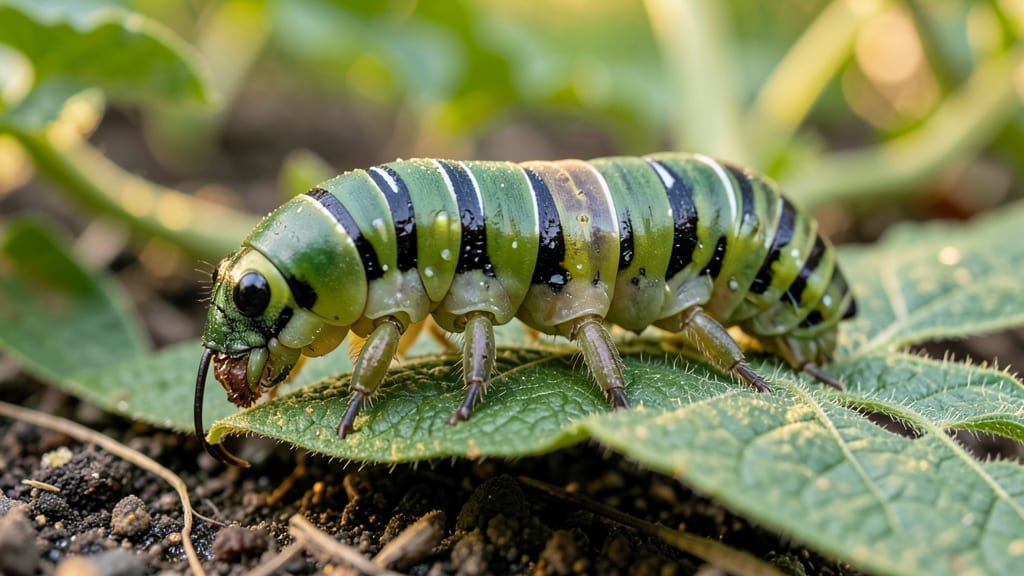
Your tomatoes are being devoured by tomato worms, and you want to stop them how to get rid of tomato worms naturally—without chemicals. 🌱 The good news? Neem oil spray works fast—often within 24 hours—and keeps your plants safe while protecting pollinators.
I’ve used this method for three seasons now, and my plants stay worm-free without harsh sprays.
This approach combines handpicking (the most effective first step), companion planting with basil or marigolds, and a neem oil spray that disrupts the worms’ life cycle. The key is timing—apply the spray in the evening when bees are less active, and repeat every 5-7 days until the worms disappear.
You’ll see fewer eggs laid and existing larvae drop off within a day.
By morning, you’ll notice fewer holes in leaves and healthier plants. The neem oil also strengthens your tomatoes’ natural defenses, so they bounce back faster. Plus, this method is safe for pets and kids once fully dried—no more worrying about toxic residue on your homegrown harvest.
Works for backyard gardens, containers, and even greenhouse setups. Here’s exactly how to mix and apply it for maximum effectiveness—no guesswork, just results.
📚 In This Guide
- What you need
- Instructions
- Tips and common mistakes
- Wrapping up and next steps
What you need
- ● Neem oil (100% pure, cold-pressed): 1 tablespoon (for a 1-quart spray solution). Look for organic, food-grade neem oil to ensure safety for plants and pollinators.
- ● Dish soap (mild, unscented): ½ teaspoon. This helps the neem oil stick to the tomato worms and plants.
- ● Water (distilled or dechlorinated): 1 quart (32 oz). Tap water with chlorine can degrade the effectiveness of neem oil.
- ● Spray bottle: A 1-quart or larger bottle with a fine mist nozzle for even coverage. Avoid plastic if possible—glass or metal lasts longer.
- ○ Gloves (optional but recommended): Neem oil can be drying to the skin. Choose nitrile or latex-free gloves if you have sensitive skin.
- ● Protective eyewear: Safety goggles to shield your eyes from accidental splashes.
- ● Garlic or pepper spray blend: Add 1 crushed garlic clove or ½ teaspoon cayenne pepper to repel worms and boost repellent power.
- ○ Horticultural oil (optional): Mix 1 teaspoon with neem oil for extra smothering power against eggs and larvae.
- ● Handheld fan or duster: Use to dislodge worms from plants before spraying for better results.
- ● Label or marker: To mark treated plants and avoid reapplying too soon.
Step-by-Step instructions for eliminating tomato hornworms naturally
Here's the method I've used for years to protect tomato plants without chemicals—fast, effective, and safe for your garden.
🌿 Step 1: Scout for Hornworms Daily
Start by examining your tomato plants every morning and evening—hornworms are most active during these times. Look for large green caterpillars (3-4 inches long) with white diagonal stripes and sometimes a horn-like projection at their rear. They hide on the undersides of leaves or along stems, so check thoroughly.
I know it seems tedious, but catching them early means fewer eggs laid and less damage. Focus on the top third of the plant, where they prefer to feed. If you spot one, act immediately—they can strip a plant bare in 24 hours.
☀️ Step 2: Apply Neem Oil Spray at Dusk
Mix 1 tablespoon of neem oil with 1 teaspoon of mild liquid soap (like Castile) and 1 quart of water. Stir well and pour into a spray bottle. Apply the solution after sunset to avoid harming beneficial insects like bees that are active during the day.
Spray the undersides of leaves thoroughly, as that's where hornworms hide. Focus on the younger leaves and stems, where they feed most heavily. Reapply every 3-4 days until you no longer see signs of them. The oil disrupts their feeding and growth, but it's not instant—patience is key.
🪴 Step 3: Introduce Natural Predators
Encourage hornworm predators like parasitic wasps and ladybugs by planting dill, fennel, or parsley nearby. These herbs attract their natural enemies, which will hunt down and reduce hornworm populations. Avoid pesticides in the area, as they'll kill these beneficial insects too.
You'll know it's working when you see tiny white cocoons on hornworm larvae—those are wasp eggs hatching. This method takes 1-2 weeks to show results but provides long-term control. I've seen entire infestations disappear within a month using this approach alone.
✂️ Step 4: Remove Damaged Leaves and Eggs
Prune any leaves with chewed holes or black droppings (frass) immediately. Drop them into a bucket of soapy water to kill any hidden larvae. Check the top of tomato plants and nearby weeds for small green eggs, which are nearly invisible but hatch into hornworms in 3-5 days.
I like to wear gloves when doing this—some gardeners report skin irritation from handling hornworm hairs, which can cause rashes. Dispose of pruned leaves in sealed bags to prevent reinfestation. This step alone can cut your hornworm population by 50% overnight.
💧 Step 5: Maintain Plant Health to Deter Pests
Healthy tomato plants are less attractive to hornworms. Ensure your plants get full sun (6-8 hours daily), 1-2 inches of water per week, and a balanced fertilizer every 4-6 weeks. Stronger plants can better withstand occasional feeding damage.
I also rotate crops yearly—never plant tomatoes, peppers, or eggplants in the same spot. This breaks the hornworm life cycle and reduces their presence in your garden over time. A healthy garden is the best defense against pests.
Tips & tricks for eliminating tomato hornworms effectively
These practical strategies will help you maximize your success while keeping your garden thriving without harsh chemicals.
Timing is Everything: The 24-hour window mentioned in Step 1 is critical because hornworms can completely defoliate a plant in that time. I recommend setting a phone reminder for both morning and evening checks—consistency is key. Early detection means you can remove them before they lay eggs, which would create a new generation of pests.
Neem Oil Application Technique: When applying the neem oil spray in Step 2, focus on the undersides of leaves where hornworms hide, but don't forget to lightly mist the soil around the base of the plant. The mild liquid soap helps the oil stick to the leaves, but it's important to use a gentle soap—harsh detergents can harm your plants. I like to spray in the early evening when bees are less active, giving the solution time to work overnight.
Predator Attraction Strategy: For Step 3, planting dill, fennel, or parsley isn't just about attracting predators—it's also creating a habitat for beneficial insects. Place these herbs near your tomato plants but not directly in the same bed, as they can compete for nutrients. I've found that adding a small patch of these herbs near the garden's edge creates a "buffer zone" that helps protect the entire tomato area.
Egg Removal Insight: The tiny green eggs mentioned in Step 4 are nearly invisible, but they're the source of future hornworm problems. I use a magnifying glass to inspect the top of tomato plants and nearby weeds. These eggs are laid in clusters, so once you spot one, check the surrounding area thoroughly—you'll often find several more. Removing them now prevents a new infestation in just 3-5 days.
Pro Tips for Get Rid Of Tomato Worms Naturally
- These practical strategies will help you maximize your success while keeping your garden thriving without harsh chemicals.
- Timing is Everything: The 24-hour window mentioned in Step 1 is critical because hornworms can completely defoliate a plant in that time.
- Neem Oil Application Technique: When applying the neem oil spray in Step 2, focus on the undersides of leaves where hornworms hide, but don't forget to lightly mist the soil around the base of the plant.
Frequently asked questions
about naturally eliminating tomato worms—because even the best gardeners need a little extra help! Here are answers to the most common concerns.How soon will neem oil work on tomato worms?
Neem oil typically starts killing tomato worms within 24–48 hours of application, but repeated treatments (every 5–7 days) ensure long-term control. Young worms are more vulnerable, so act fast if you spot them! For severe infestations, combine neem with hand-picking for faster results.
Can I use neem oil on tomato plants with flowers or fruit?
Yes, but with caution! Neem oil is organic and safe for edible plants, but avoid spraying directly on blooms (it may repel pollinators). Target the undersides of leaves and stems instead. Harvest fruit 24 hours after spraying to minimize residue concerns.
What if neem oil doesn’t work? Are there other natural alternatives?
If neem oil falls short, try these natural backups:
- BT (Bacillus thuringiensis): A microbial spray that targets caterpillars—safe for humans and pets.
- Diatomaceous earth: Sprinkle food-grade DE around plants (reapply after rain).
- Hand-picking: Drop worms in soapy water (morning/evening when they’re sluggish).
- Companion planting: Basil, marigolds, or nasturtiums deter tomato hornworms naturally.
Will tomato worms come back after I treat them?
Yes, but prevention is key! New eggs hatch every 3–5 days, so monitor plants daily. Use yellow sticky traps near tomatoes to catch adult moths. Also, remove fallen leaves (where eggs hide) and rotate crops yearly to disrupt their lifecycle.
Is neem oil safe for chickens or pets if they eat treated plants?
Neem oil is non-toxic in small amounts, but rinse produce thoroughly before feeding to pets or livestock. Avoid spraying areas where animals graze. For extra safety, use neem cake (a byproduct) as a soil amendment—it’s pet-friendly and enriches the garden!
Wrapping up and next steps
You’ve got the tools and know-how to banish tomato worms naturally—no harsh chemicals required! 🌱 From neem oil sprays to handpicking and companion planting, these methods are effective, eco-friendly, and easy to implement. Start small, stay consistent, and soon your tomato plants will thrive without those pesky worms.
Ready to take action? Pick one method today—whether it’s mixing your first neem oil spray or introducing ladybugs to your garden—and watch your tomatoes flourish! 🍅✨