
Pests
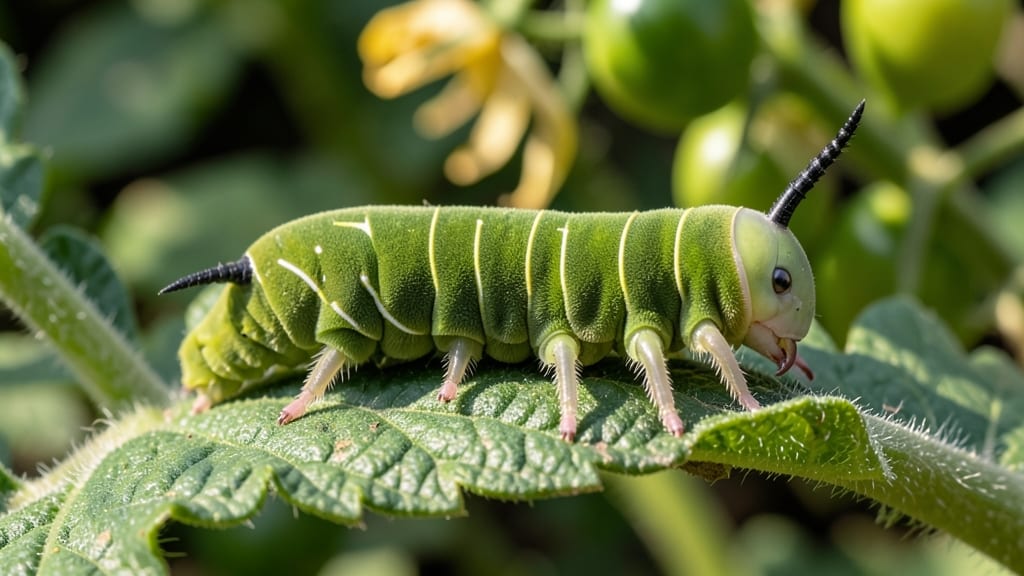
Neem oil spray stops tomato worms before they ruin your harvest in just hours. 🌱 I’ve watched these striped caterpillars skeletonize plants overnight—until I discovered this fast-acting solution that works without harsh chemicals. The secret lies in neem oil’s natural compounds, which disrupt their feeding cycle immediately.
You’ll need a spray bottle, water, and a few drops of neem oil—mix it right, and you’ll see results within 24 hours. No more picking worms off leaves or watching tomatoes turn to slime. By morning, your plants will look refreshed, and new growth will be protected.
The worms won’t return if you reapply every 5-7 days or after rain. It’s the organic solution I trust for my backyard tomatoes. Works for garden beds, containers, and even greenhouse plants. Let’s stop those worms before they stop your harvest!
The Hidden Invaders Behind Tomato Worms
Tomato worms—those squiggly, voracious caterpillars of the Manduca sexta (tomato hornworm) or Spodoptera exigua (beet armyworm)—don’t just appear out of nowhere. They’re the unwelcome guests of a garden party you never RSVP’d to, and understanding why they show up is the first step to kicking them out for good.
Let’s peel back the layers to see what’s really luring them to your tomatoes.
Tomato plants that are packed too closely together create the perfect hide-and-seek playground for tomato worms. When foliage is dense and air circulation is poor, a few key problems emerge:
- Moisture buildup: Worms thrive in damp conditions. Overcrowded plants trap humidity, making leaves sticky and irresistible to egg-laying moths. Think of it like a five-star hotel for pests—luxury conditions for reproduction.
- Stressed plants: Competition for sunlight and nutrients weakens tomatoes, making them less resilient to pests. Healthy plants can fend off worms better, but crowded ones are like a buffet sign for hungry caterpillars.
- Easier egg-laying: Moths prefer to lay eggs on plants where they can’t be easily spotted. Dense foliage provides plenty of hiding spots for their offspring.
Actionable fix: Space tomato plants 18–24 inches apart (or as recommended for your variety) and prune regularly to improve airflow. Less clutter = fewer worm hotels.
Tomato worms start as eggs laid by adult moths, and these nocturnal fliers are drawn like moths to a flame—literally. If your garden glows after dark, you’re basically running a pest recruitment ad.
- Artificial lights: Outdoor lights (especially white or blue spectrum LEDs) attract moths from miles away. They’re confused by the glow and mistake your garden for a mating hotspot.
- Moonlight + dark gardens: Even natural moonlight can make plants look more appealing to egg-laying moths. If your garden is too dark, moths may linger longer, increasing egg drops.
- Scent trails: Tomato plants emit volatile organic compounds (VOCs) when stressed or damaged. These scents act like perfume for moths, signaling “Fresh food here!”
Actionable fix:
- Switch to yellow or red bug lights (moths are less attracted to these wavelengths).
- Use motion-activated lights to deter moths without keeping them in a trance.
- Avoid planting tomatoes near bright lights or use blacklight traps (UV lights) to lure moths away.
Tomato worms aren’t picky eaters—they’re gourmet connoisseurs of lush, healthy foliage. When your tomato plants are overfed with nitrogen or lack balance, they become a magnet for caterpillars.
- Too much nitrogen: Nitrogen-heavy fertilizers (like fresh manure or synthetic “green” fertilizers) produce soft, tender leaves that worms love. It’s like serving them a steak dinner instead of a salad.
- Lack of potassium: Potassium-deficient plants are weaker and produce lower-quality foliage, making them easier targets. Worms can detect chemical stress signals in plants.
- Overwatering: While worms need moisture, excess water weakens plant defenses and creates ideal hatching conditions for eggs.
Actionable fix:
- Use a balanced fertilizer (e.g., 5-10-10 or 10-10-10) to avoid nitrogen overload.
- Add compost or worm castings for slow-release nutrients without the pest magnet effect.
- Water deeply but less frequently to encourage root strength and drought resistance.
If you left last year’s tomato plant remains, fallen leaves, or even a single missed worm in your garden, you’ve essentially pre-ordered this year’s infestation. Here’s why:
- Overwintering eggs: Many tomato worm species (like beet armyworms) lay eggs in soil or plant debris that survive winter. Come spring, those eggs hatch on cue.
- Hidden larvae: Small worms can burrow into mulch or leaf litter, avoiding predators and pesticides until they’re ready to strike.
- Attracting new moths: Decaying plant matter releases fermentation scents, which act as beacons for egg-laying moths.
Actionable fix:
- Remove all plant debris from your garden in fall and spring (compost it far from your garden).
- Use black plastic mulch in early spring to smother overwintering eggs before planting.
- Rotate crops annually to disrupt moth life cycles.
Now that you know the “why” behind tomato worms, you’re armed to tackle the “how.” Next up: proven, fast-acting solutions—including the power of neem oil—to evict these pests for good.
Quick Fixes for Tomato Worms
Tomato worms—those pesky green caterpillars—can turn your thriving tomato plants into a buffet overnight. But don’t panic! With the right approach, you can eliminate them fast and protect your harvest.
Below are practical, step-by-step solutions tailored to the most common causes of infestations, plus prevention tips to keep your garden worm-free long-term.
Cause: Early-stage worms hiding in leaves or stems. Fix:
- 👨🍳 Scout at dawn or dusk when worms are sluggish (they’re harder to spot in bright sunlight).
- 🍃 Wear gloves and inspect leaves, stems, and fruit. Look for:
- Green, fuzzy caterpillars (tomato hornworms)
- Tiny eggs (white or yellow, laid in clusters)
- Chewed leaves or holes in tomatoes
- 🔪 Drop worms into soapy water (1 tbsp dish soap per gallon) or crush them in a sealed jar—never toss them near plants (they’ll lay more eggs!).
- 🌱 Repeat daily for 3–5 days to catch newly hatched larvae.
💡 Pro Tip: Use a flashlight at night—worms are more visible under UV light!
Cause: Worms spreading rapidly or eggs hatching uncontrollably. Fix:
- 🛒 Mix neem oil spray (1 tbsp neem oil + 1 tsp mild soap + 1 quart water). Soap helps it stick to leaves.
- 🍳 Shake well and spray undersides of leaves (where eggs/worms hide) and stems. Focus on:
- New growth areas
- Flower clusters (hornworms love them!)
- ⏰ Apply at dusk (avoids harming bees) and reapply every 5–7 days or after rain.
- 🌡️ For extra potency, add 1 tsp garlic oil (natural repellent).
✨ Why It Works: Neem oil smothers eggs and disrupts worm hormones, preventing them from maturing.
Cause: Recurring infestations despite manual removal. Fix:
- 🐝 Attract parasitic wasps (like Cotesia congregata), which lay eggs inside hornworms. These wasps naturally kill 90% of worms without chemicals!
- Plant dill, fennel, or parsley nearby to lure them.
- 🐍 Introduce nematodes (Heterorhabditis bacteriophora). These microscopic worms seek out and kill tomato worm larvae in the soil.
- Apply at night with a watering can (they die in sunlight).
- Best used preventively in early spring.
- 🐶 Use chickens or ducks (if you have them)—they devour worms and fertilize soil!
🎯 Prevention Bonus: Plant basil, marigolds, or thyme around tomatoes—their scents repel moths before they lay eggs.
Cause: Worms returning due to untreated soil/plant debris. Fix:
- 🧹 Remove all plant debris (fallen leaves, stems) from the garden weekly. Burn or bag it—worms pupate in soil and re-emerge.
- 🛡️ Cover plants with row fabric (lightweight, breathable) at dusk (when moths lay eggs). Secure edges with soil.
- 🍅 Prune suckers and lower leaves to reduce hiding spots and improve airflow (worms hate dry conditions).
- 🌱 Rotate crops—don’t plant tomatoes in the same spot next year (moths remember!).
🔥 Emergency Hack: Crushed red pepper spray (1 tsp cayenne + 1 quart water) deters moths—reapply after rain.
If your garden is overrun (e.g., 5+ worms per plant), combine methods:
- Day 1: Handpick + neem oil spray.
- Day 3: Release nematodes + install row fabric.
- Weekly: Check for new eggs and reapply neem oil.
⚠️ Avoid: Broad-spectrum pesticides (they kill beneficial insects like ladybugs and bees).
🌱 Final Thought: The key is consistency. Worms multiply fast, but with daily checks and layered defenses, you’ll reclaim your tomato plants in no time! 🍅💚
Frequently asked questions
How do I know if my tomato plants have worms?
Look for large green caterpillars (up to 4 inches long) with white stripes or fuzzy bodies. Check undersides of leaves and stems for tiny white/yellow eggs in clusters. You’ll also spot chewed leaves or holes in tomatoes. Early signs include wilting or sudden leaf damage overnight.
Is neem oil safe for tomato plants?
Yes! Neem oil is organic and plant-safe when used correctly. Dilute 1 tablespoon in 1 quart water with 1 teaspoon mild soap to help it stick. Avoid spraying in direct sunlight (can cause leaf burn) and reapply every 5-7 days or after rain. Always test a small leaf first.
What’s the fastest way to stop an infestation?
Combine handpicking (drop worms in soapy water) with neem oil spray at dusk. For severe cases, add parasitic wasps (plant dill nearby) or nematodes (apply at night). Check plants daily for new eggs—consistency is key! Results appear in 24-48 hours.
Can I use chemical pesticides?
We recommend organic methods first—chemicals kill beneficial insects like bees and ladybugs. If needed, use Bacillus thuringiensis (Bt), a natural bacteria that targets worms only. For severe cases, pyrethrin-based sprays work but must be reapplied often. Always follow label instructions carefully.
How do I prevent worms next year?
Start with crop rotation—don’t replant tomatoes in the same spot. Use row covers at night to block egg-laying moths, and plant basil or marigolds nearby to repel them. Remove all plant debris in fall and use black plastic mulch early spring to smother overwintering eggs.