
How To
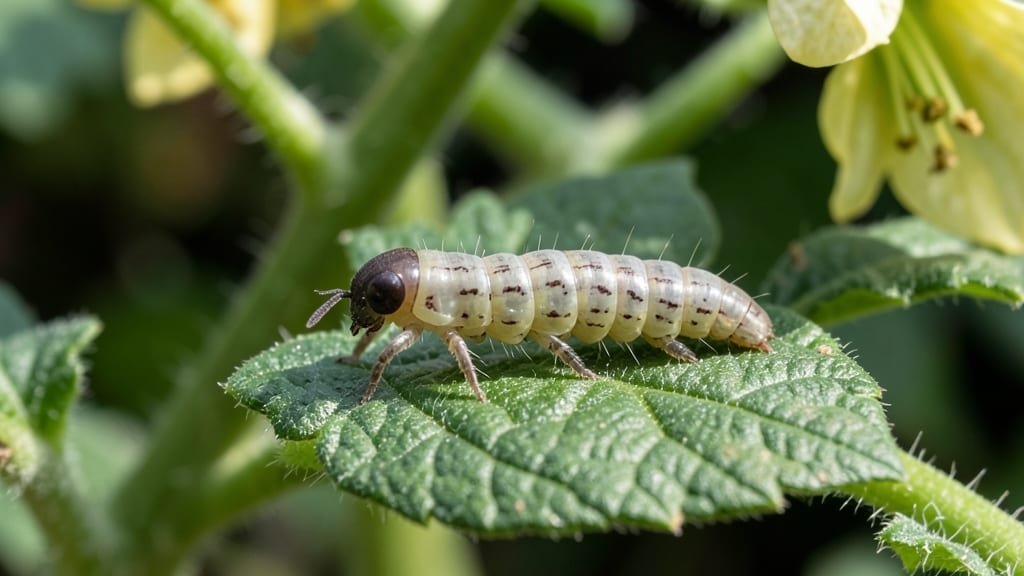
Your tomato plants are under siege by hungry worms, and those green, leafy giants are devouring your harvest before your eyes. 🌱 The good news? A simple organic spray can turn the tide in just 24 hours—no harsh chemicals needed.
I’ve seen it work on my own plants, where hornworms and cutworms once stripped leaves overnight.
Most gardeners panic when they spot worms chewing their tomatoes, but the real culprits are usually hornworms (with their camouflaged green bodies) or cutworms (the sneaky nighttime nibblers). The key is acting fast—once they’re gone, your plants rebound quickly, and the spray won’t harm bees or other beneficial insects.
No more wilted leaves or half-eaten fruit by morning.
This method uses ingredients you likely already have: soapy water, neem oil, and a little garlic for extra punch. Mix it up in a spray bottle, apply it at dusk when worms are most active, and check back in the morning.
You’ll see the difference immediately—no more disappearing foliage, just healthy, thriving plants ready to produce.
Works for all tomato varieties, whether you’re growing in containers or raised beds, and it’s safe to use right up until harvest. The best part?
You’ll skip the stress of chemical sprays and still get rid of those pests for good. Let’s get those plants back to growing like they should.
Root Causes of Tomato Worms
Tomato worms—those pesky caterpillars from moths like the hornworm or tomato fruitworm—don’t just appear out of nowhere. They thrive because of specific conditions in your garden. Understanding these triggers is the first step to stopping them before they devour your plants.
Let’s break down the science behind why these critters show up and multiply.
Worms don’t randomly hatch in your tomato patch—they start as eggs laid by adult moths in decaying plant matter, mulch, or garden debris. Here’s how it happens:
- Old plant residues (wilted leaves, stems, or fallen fruit) create the perfect hiding spot for moths to lay eggs.
These eggs can survive weeks or even months in moist, shaded areas. - Weeds and volunteer plants (like nightshade or other Solanaceae family members) act as alternative hosts, allowing moth populations to grow undetected before moving to your tomatoes. - Overly dense mulch (especially thick straw or grass clippings) traps moisture and warmth—ideal conditions for egg survival and larval development.
Actionable insight: Clear out garden debris before planting tomatoes, and avoid mulching too heavily around stems. 💡 Pro tip: Use straw mulch sparingly—it’s great for moisture but can harbor pests if left unchecked.
Tomato worms don’t just target tomatoes—their parents, moths, are drawn to night-blooming plants that provide nectar and shelter. Common culprits include:
| Plant | Why Moths Love It | How It Affects Tomatoes |
|---|---|---|
| Petunias | Heavy nighttime fragrance attracts moths | Moths lay eggs nearby, then migrate to tomatoes |
| Datura (Jimsonweed) | Toxic to some pests but moth magnets | Acts as a "trap crop" that lures moths away from tomatoes |
| Evening Primrose | Blooms open at dusk, releasing scent | Moths rest here before flying to your garden |
| Night-Blooming Jasmine | Strong floral scent | Moths use it as a "pit stop" before egg-laying |
Science note: Moths use olfactory cues (smell) to locate host plants. If your garden is near these flowers, they’ll fly directly to your tomatoes once they detect the plant’s scent.
Actionable fix: Remove night-blooming flowers within 50 feet of your tomato patch or plant them in a separate "trap garden" far from your crops.
Tomato worms hate cold weather but thrive in heat and humidity. Here’s why your garden might be their perfect breeding ground:
- Temperature range: Eggs hatch best between 70–90°F (21–32°C).
If your garden stays in this zone for weeks, you’ll see explosive worm growth. - High humidity (60%+ moisture): Larvae retain moisture better, speeding up their growth from egg to hungry caterpillar in just 7–10 days. - Stagnant water sources: Puddles, dripping irrigation, or dense foliage create moisture pockets where moths lay eggs and larvae hide during the day.
Regional hotspots: Southern U.S. gardens (especially Florida, Texas, and California) see year-round worm activity, while northern gardens may only face outbreaks in late summer.
Actionable solution: Improve airflow around plants (prune suckers, space tomatoes properly) and avoid overhead watering at dusk—this reduces humidity and dries out egg-laying sites.
Worms don’t just eat leaves—they target ripe, soft fruit because it’s easy to penetrate and packed with nutrients. Here’s the cycle:
- Moths detect ripe tomatoes (especially red or pink ones) from up to 10 feet away using chemical signals (like ethylene gas).
- They lay eggs on cracks, blossom ends, or stems—places where larvae can easily burrow in.
- Once inside, worms munch on flesh, creating entry points for bacteria (leading to rot).
Why green tomatoes? While less common, overripe green tomatoes (those left on the vine too long) can also attract worms because their sugars increase as they near ripeness.
Actionable defense:
- Harvest tomatoes early (when 70% ripe) to remove their appeal to moths.
- Remove fallen or damaged fruit immediately—even one worm-infested tomato can release pheromones that attract more moths.
In a balanced ecosystem, birds, parasitic wasps, and beneficial nematodes keep worm populations in check. But if your garden lacks these helpers, worms take over. Common reasons:
- No birdhouses or perches: Birds like robins, sparrows, and chickadees eat hundreds of worms per day but need easy access.
- Missing ground predators: Spiders, ground beetles, and toads hunt worm eggs and young larvae but avoid chemical-treated gardens.
- No parasitic wasps: Tiny braconid wasps lay eggs inside hornworms, killing them from within—but they won’t visit if your garden has no flowering herbs (like dill or fennel) for them to feed on.
Actionable boost: Install bird feeders, bat houses, or plant native wildflowers to attract predators. Even a small patch of marigolds or basil can help.
Worms don’t die off after one season—their eggs and pupae can overwinter in your soil or debris. If you’ve had worms before, here’s how they come back:
- Pupae in soil: Hornworm pupae can survive winter in moist, shaded soil and emerge as moths in spring.
- Eggs on old stakes or trellises: Moths may have laid eggs on wooden supports or plastic ties from last year’s plants.
- Volunteer tomato plants: If any tomato plants regrew from seeds (or you composted infected plant matter), moths will return to the same spot.
Actionable reset:
- Rotate crops—don’t plant tomatoes or peppers in the same spot for 3 years.
- Solarize soil (cover with clear plastic for 4–6 weeks in summer) to kill pupae and eggs.
- Replace old trellises with new, untreated materials (like bamboo or metal).
Quick Fixes for Wormy Tomato Plants
Worms—whether they’re burrowing root maggots, leaf-eating caterpillars, or squiggly cutworms—can turn your thriving tomato plants into a chewed-up mess in no time. The good news? You don’t need harsh chemicals to win this battle.
Below are targeted, organic solutions tailored to the most common worm causes, plus prevention tips to keep your plants worm-free long-term.
If your tomato seedlings look stunted or wilt suddenly, root maggots (larvae of fungus gnats) might be munching underground.
🔥 Fix It Fast:
- Remove Infested Soil: Dig up affected plants and rinse the roots to remove eggs/larvae. Discard heavily infested soil or solarize it (cover with clear plastic for 4–6 weeks in hot sun).
- Diatomaceous Earth (DE): Sprinkle food-grade DE around the base of plants (avoid direct contact with foliage). DE dehydrates larvae—reapply after rain.
- Beneficial Nematodes: Water plants with Heterorhabditis bacteriophora nematodes (sold online or at garden centers). These microscopic predators seek out and kill root maggots in 24–48 hours.
💡 Pro Tip: Avoid overwatering—wet soil attracts fungus gnat adults. Use coconut coir or sand in potting mixes to improve drainage.
Hornworms and tomato loopers can devour leaves overnight, leaving behind skeletonized foliage and droppings.
🍳 Trap Them Before They Multiply:
- Handpick Daily: Check plants early morning (worms are sluggish then). Drop them into soapy water (1 tbsp dish soap per gallon) to kill instantly.
- Bacillus thuringiensis (Bt): Spray Bt kurstaki (organic bacterium) on leaves. It’s safe for humans/pets but deadly to caterpillars. Reapply after rain.
- Pheromone Traps: Hang hornworm pheromone traps (available at garden stores) to disrupt mating cycles.
🔪 Physical Barriers:
- Row Covers: Use floating row covers (lightweight fabric) over seedlings to block adult moths from laying eggs.
- Aluminum Foil Collars: Wrap 12-inch foil collars around young stems to deter cutworms from chewing at the base.
Cutworms slice stems at soil level, causing plants to topple like felled trees. They’re most active at dusk and dawn.
⏰ Nighttime Tactics:
- Grab & Go: Shine a flashlight at night and pluck off cutworms by hand (they’ll uncurl when disturbed).
- Crushed Eggshells or Sand: Create a 1-inch barrier around plant bases to deter burrowing.
- Beer Traps: Bury a small cup filled with beer near plants—cutworms are attracted to the yeast and drown.
🎯 Long-Term Defense:
- Interplant with Marigolds: Their strong scent repels moths that lay cutworm eggs.
- Plant Late: Delay transplanting until after the last frost—cutworms thrive in cool, moist soil.
An ounce of prevention beats a pound of pesticide. Try these low-effort habits:
| Problem | Prevention Hack | Why It Works |
|---|---|---|
| Fungus Gnats | Let soil dry between waterings | Reduces breeding sites for larvae |
| Hornworms | Plant basil or dill near tomatoes | Confuses moths with false host plants |
| Cutworms | Mulch with straw (not grass clippings) | Straw repels eggs and dries out soil |
| All Worms | Crop rotation (avoid tomatoes in same spot yearly) | Breaks worm life cycles |
✨ Bonus: Companion planting with garlic, onions, or chives deters many pests naturally.
Final Note: Consistency is key—check plants daily during outbreaks, and combine 2–3 methods for best results. With these fixes, your tomato plants will bounce back faster than a worm on a trampoline! 🍅💥
Frequently asked questions
What’s the fastest way to see results when treating tomato worms?
For immediate results, use Bacillus thuringiensis (Bt) spray in the evening—it kills caterpillars within 24–48 hours after contact. Pair it with handpicking worms early in the morning (they’re sluggish then) and drop them into soapy water. Reapply Bt after rain for continuous protection.
Are there any worms that actually help tomato plants?
Yes! Earthworms improve soil health by aerating it and adding nutrients, while parasitic nematodes (like Steinernema carpocapsae) naturally control harmful pests. Avoid killing these beneficial worms—they’re your garden’s unsung heroes!
Why do worms keep coming back even after I’ve treated them?
Worms often return because their eggs or pupae survive in soil, mulch, or plant debris. To break the cycle, remove all plant matter (including fallen leaves) from your garden, rotate crops (don’t replant tomatoes in the same spot for 3 years), and use beneficial nematodes to target hidden larvae.
Can I use coffee grounds to get rid of tomato worms?
Coffee grounds won’t kill worms directly, but they repel moths (the worms’ parents) thanks to their strong smell. Sprinkle used grounds around plant bases and mix into soil—it also improves drainage and deters other pests like slugs. For faster results, combine it with neem oil spray.
Is it safe to eat tomatoes that had worms on them?
Yes, but only if the worms were removed before they burrowed into the fruit. If worms chewed into tomatoes, cut out the damaged areas (at least 1 inch around the hole) and discard the rest. Worms themselves aren’t harmful, but their droppings can introduce bacteria—always wash tomatoes thoroughly before eating.